Bulgaria to Veto New EU Sanctions on Russia, Raising Concerns for UK and EU Energy Markets
Bulgarian PM Rumen Radev warns of economic risks to Bulgaria and calls for exclusion of Lukoil from EU sanctions list.
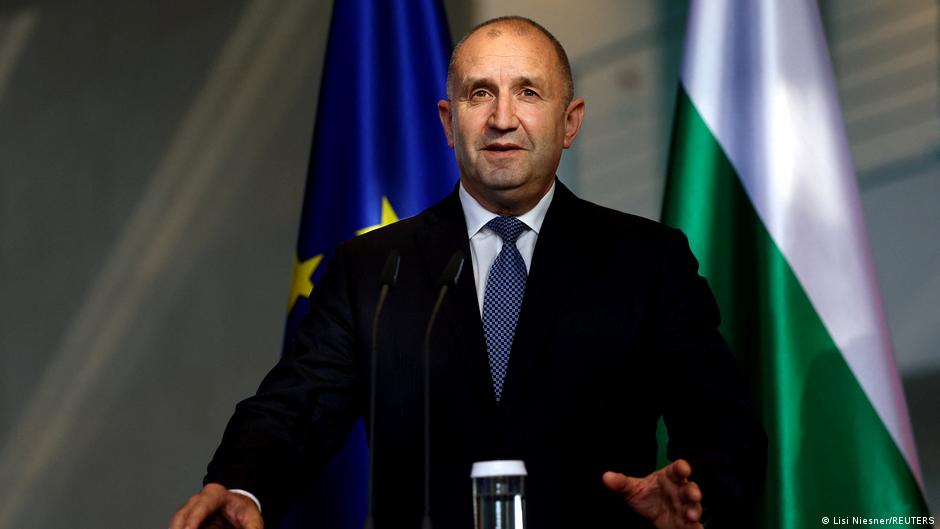
On June 18, Bulgaria’s Prime Minister Rumen Radev announced his country’s intention to veto the European Union’s new sanctions package against Russia, citing significant risks to Bulgaria’s economy and opposing proposed restrictions on the Russian Orthodox Church’s Patriarch Kirill. This decision poses notable implications for British and broader European business interests, especially in energy and market stability.
Economic Concerns and Impact on Energy Markets
Prime Minister Radev emphasized the "significant risk" posed to the operations of Lukoil, one of Bulgaria’s largest fuel retailers and owner of the country’s sole oil refinery located in Burgas. Bulgaria’s veto aims to secure Lukoil’s exclusion from the sanctions list, underscoring worries about disruptions to the energy supply chain within the EU.
For the UK and European markets, these developments are critical. The Lukoil refinery in Burgas plays a vital role in regional fuel supplies, and any interruption could lead to increased volatility in energy prices, potentially impacting sterling and EU markets. London, as a global energy trading hub, is closely monitoring these geopolitical tensions and their ripple effects on commodity trading and energy security.
Radev further noted concerns over potential shortages in spare parts for Sofia’s metro system and fertilizer supplies, both critical for Bulgaria’s infrastructure and agriculture. His questions about the effectiveness of sanctions in ending the conflict resonate with ongoing debates within the EU regarding balancing punitive measures against Russia with safeguarding member states’ economic stability.
"How have these sanctions stopped the war so far? And how have they contributed to peace?" — Rumen Radev, Bulgarian Prime Minister
Broader EU Sanctions Context and Repercussions
The EU expanded its sanctions on June 15, targeting 34 individuals and 47 entities linked to Russia’s military-industrial complex and oil exports, including firms operating via Russia’s "shadow fleet." The package also included Russian and foreign companies from countries such as Liberia, Turkey, the UAE, Azerbaijan, and Hong Kong.
Among those sanctioned are prominent figures like Anatoly Kuzichev, a host on Russia’s Channel One, and Tikhon, Metropolitan of Simferopol and Crimea, a spiritual advisor to President Vladimir Putin. These measures reflect the EU’s broader strategy to pressure Russia politically and economically.
Bulgaria’s veto highlights the challenges of achieving unanimous EU decisions in sanction policies, especially when national economies face direct impact. For the UK, now outside the EU but closely aligned on many sanctions policies, such internal EU divisions complicate broader coordination efforts and may influence London’s approach to regulatory and trade relations with the bloc.
UK and European Business Implications
For British businesses, particularly those engaged in energy, commodities, and financial services, Bulgaria’s stance signals potential disruptions in the EU’s unified front on Russia sanctions. Market participants in London may face increased uncertainty, affecting sterling exchange rates and investor confidence.
Furthermore, the decision underscores the need for the UK and EU to consider contingency plans for supply chain resilience, especially in energy and critical goods. As the EU navigates divergent national interests, London’s role as a financial hub and mediator in European energy markets becomes increasingly pivotal.
In conclusion, Bulgaria’s veto threat introduces a complex dynamic into EU-Russia relations with direct repercussions for UK and European economic stability and market operations. Stakeholders in London’s financial and energy sectors will continue to watch Brussels and Sofia closely as negotiations advance.