US-Iran Negotiations Resume Amid Military Tensions: Implications for UK and EU Markets
President Trump announces new diplomatic talks with Iran starting August 3, delaying military strikes and impacting London financial markets and sterling.
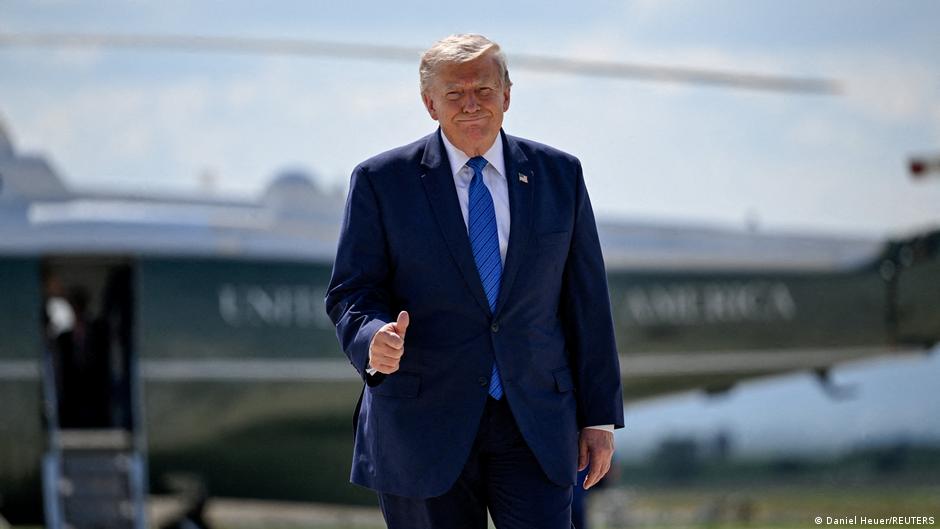
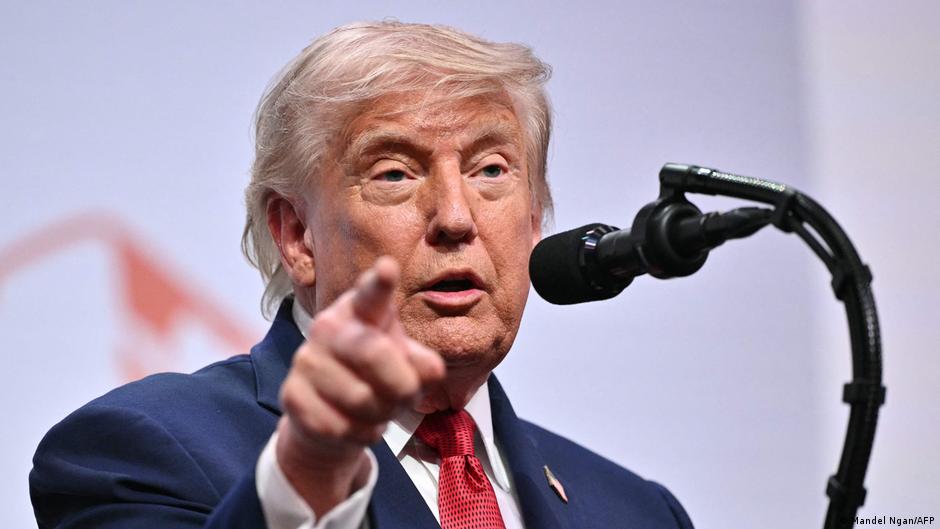
US President Donald Trump has confirmed the commencement of a new phase of negotiations between Washington and Tehran starting Monday, August 3. This announcement comes after the White House postponed planned military strikes against Iran, citing agreed parameters of a potential deal.
Speaking aboard Air Force One, Trump emphasized the administration’s preference for a diplomatic resolution over military conflict, highlighting the potential to "save many lives." He also noted that the forthcoming deal discussions are expected to address critical issues, including the security of the Strait of Hormuz and Iran's nuclear program.
"I would prefer to make a deal. I don’t like killing people," President Trump stated, while also warning that the US reserves the right to resume strikes if necessary.
Impacts on UK and European Business Interests
The renewed diplomatic engagement between the US and Iran is being closely monitored by UK and European stakeholders due to its potential ramifications on regional stability and energy security. The Strait of Hormuz, a vital chokepoint for global oil shipments, is crucial for British and EU energy suppliers and consumers alike. Any escalation in conflict risks disrupting oil flows, which could drive volatility in sterling and across European markets.
Following Trump’s announcement, the London financial markets have reacted cautiously. Investors are weighing the possibility of a lasting diplomatic breakthrough against the backdrop of ongoing military tensions. A protracted conflict could exert upward pressure on oil prices, fueling inflationary concerns in the UK and EU economies. Conversely, a credible deal would likely ease market fears and stabilize energy prices, benefiting British manufacturers and importers reliant on steady supply chains.
Moreover, the potential easing of US-Iran tensions may influence global risk sentiment, affecting investment flows into sterling assets and European equities. With the UK’s economy still navigating post-Brexit adjustments and inflationary pressures, developments in the Middle East remain a key geopolitical factor for policymakers and market participants.
Previously, the White House had postponed multiple planned strikes on Iran, responding to appeals from Middle Eastern countries and Iran itself. Notably, in June 2026, the US and Iran signed a memorandum of understanding to pause hostilities for 60 days and initiate peace talks. However, renewed US attacks targeting Iranian Revolutionary Guard Corps sites on July 30, including missile strikes on command centers and missile launch facilities, have escalated tensions anew.
Iranian state media reported casualties from these strikes, including three deaths in a residential area on Qeshm Island, underscoring the human toll and the fragile nature of the current ceasefire.
From a UK and European perspective, these developments underscore the delicate balance between diplomacy and conflict in a region critical to global energy supplies and economic stability. The coming weeks will be pivotal in shaping the trajectory of US-Iran relations, with significant implications for sterling, London markets, and broader European economic interests.