Colombia Declares State of Emergency After Devastating Magnitude 7.4 Earthquake
Colombian President Abelardo de la Espriella announces nationwide emergency following a severe earthquake, prompting international aid and market watch in London.
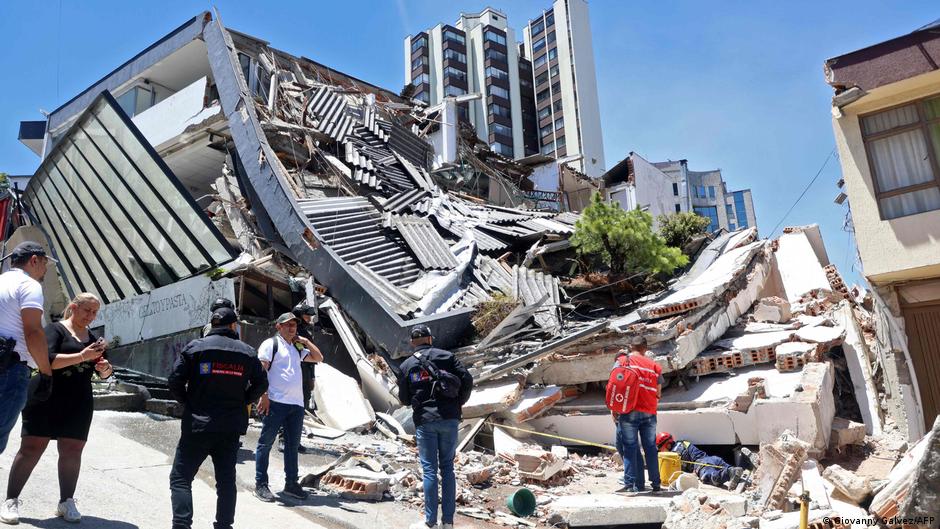
Colombia's newly inaugurated President Abelardo de la Espriella declared a state of emergency across the country after a powerful 7.4 magnitude earthquake struck on August 10. The disaster has resulted in at least 132 confirmed deaths and hundreds more injured, with widespread damage reported in key urban centres including Pereira, Cali, and Manizales.
Impact and Immediate Response
The earthquake occurred near the town of San José del Palmar in western Colombia at a depth of approximately 103 kilometres, making it the strongest quake recorded in Colombia this century, according to the Colombian Geological Service (SGC). Numerous aftershocks have followed, complicating relief efforts.
"All institutional resources will be mobilised to adequately respond to the disaster," President de la Espriella announced, urging prioritisation of rescue operations for those trapped under debris. The Columbia Association of Regional Centres reported over 1,500 homes significantly damaged and about 60 buildings completely destroyed. Hospitals and schools have also sustained heavy damage, with 18 healthcare facilities and 52 educational institutions affected.
"This is the strongest earthquake registered in Colombia in the 21st century," highlighted the Colombian Geological Service.
There are concerns that the death toll may rise as emergency teams continue their search and rescue operations.
International Aid and Economic Implications
In response, the United States Department of State has pledged $15.5 million (€13.4 million) in emergency assistance to support Colombia’s recovery efforts. The aid package signifies the US's commitment to aiding a country led by President de la Espriella, who enjoys strong diplomatic ties with Washington. The US Secretary of State, Marco Rubio, expressed support and reinforced intentions for enhanced regional cooperation on security and economic fronts.
From a UK and European business perspective, Colombia’s state of emergency could have several implications. The sterling and broader European markets are closely monitoring the situation due to Colombia’s emerging role as a trade and investment partner. London-based investors with stakes in Colombian infrastructure and natural resources are assessing potential supply chain disruptions and economic instability stemming from the disaster. Additionally, the British government may consider humanitarian aid contributions or economic support to help stabilise the region, aligning with broader EU interests in Latin America.
Political Context and Security Outlook
President de la Espriella, who took office just three days before the earthquake, succeeded Gustavo Petro, signalling a political shift with a focus on deregulation and a tougher stance on armed groups linked to drug trafficking. His administration plans to combat crime through increased military action and the construction of extensive prison facilities, inspired by models in El Salvador.
For British and European stakeholders, the new Colombian administration’s policies and the humanitarian crisis triggered by the earthquake present a complex environment. Security improvements and economic reforms could foster investment opportunities, but the disaster highlights the immediate need for stability and recovery efforts.
As Colombia grapples with this natural disaster, London’s financial markets and European policymakers are set to closely watch developments that could affect trade, investment, and regional security cooperation.