Drone Attacks Disrupt Ozon’s Key Russian Logistics Hubs Amid Rising Regional Tensions
Drone strikes on Ozon logistics centers in Krasnodar and Stavropol have triggered fires and halted operations, raising concerns about supply chain impacts for UK and EU businesses.
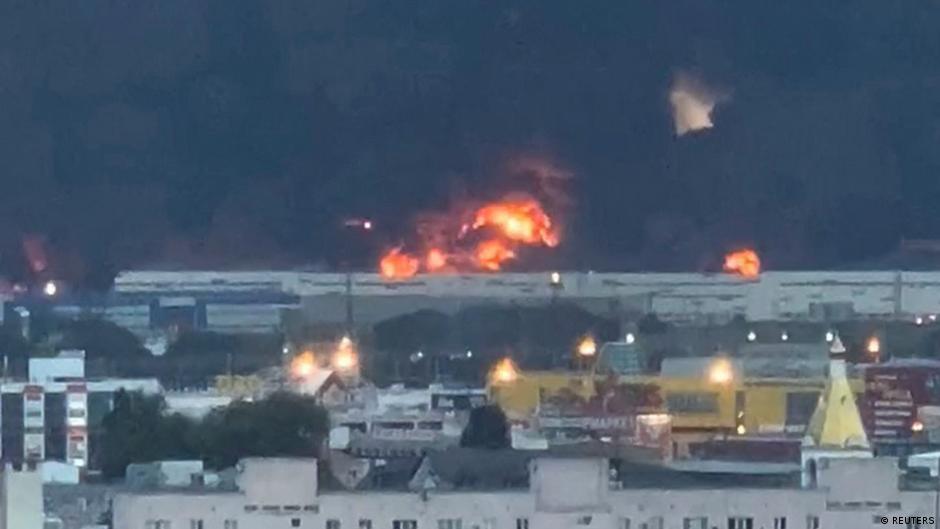
On August 24, key logistics centers operated by Russian e-commerce giant Ozon in Krasnodar and Stavropol regions were targeted by drone attacks, resulting in significant disruptions and fires. The incidents have led to halted warehouse operations, evacuation of personnel, and raised alarms about wider supply chain vulnerabilities, which may indirectly affect British and European trade interests linked to the Russian market.
Details of the Attacks and Impact on Ozon Operations
According to regional officials, a drone assault on Ozon’s logistics hub in Krasnodar caused a large fire within the warehouse premises. Emergency services responded promptly, evacuating staff safely and extinguishing the blaze. Preliminary reports indicated no casualties among warehouse employees; however, debris from the intercepted drone fell on residential areas in the Prikubansky district, tragically killing two children and injuring nine others, including both adults and children, some of whom were hospitalized after fragments struck a private children’s center.
“The fire broke out in storage areas, and rescuers are actively working to control the situation,” stated the mayor of Krasnodar, Evgeny Naumov.
Simultaneously, a larger-scale drone attack targeted Ozon’s massive logistics facility in Nevinnomyssk, Stavropol Krai, spanning over 93,500 square meters. The site serves as a key hub for storing, sorting, and dispatching both food and non-food goods to customers across Russia. Local reports confirmed multiple explosions and visible smoke plumes. Governor Vladimir Vladimirov confirmed that air defense forces were actively repelling the drone raid aimed at the industrial zone.
Broader Implications for UK and European Business Interests
Ozon is one of Russia’s largest e-commerce platforms, and its extensive logistics network is critical for maintaining consumer supply chains within the country. Disruptions to Ozon’s warehouse operations pose immediate risks to the availability of goods and could slow delivery times, impacting vendors and consumers alike.
From a UK and European market perspective, these attacks underscore the fragility of supply lines feeding into and out of Russia amid ongoing geopolitical tensions. British companies involved in cross-border trade, logistics, or investments connected to Russian consumer markets may face heightened risks of operational interruptions and increased costs.
Moreover, the sterling and London markets could see indirect effects as geopolitical instability influences investor sentiment towards Russia-related assets. Heightened security concerns within critical infrastructure sectors such as logistics might prompt investors to reassess exposure, potentially impacting currency valuations and trade dynamics.
Businesses relying on Russian e-commerce channels should monitor developments closely, as the resumption of safe operations at Ozon’s affected centers will be key to restoring normal supply flows. Ozon has already announced suspension of goods intake and rerouting of logistics through alternative facilities to mitigate the immediate impact.
Ongoing Security Situation and Regional Stability
The attacks occurred amid intensified drone incursions in southern Russia, with air defense forces actively engaging multiple unmanned aerial vehicles targeting industrial and residential areas. Authorities reported repeated air raid sirens and significant property damage in affected cities.
These events highlight escalating risks to civilian infrastructure and underscore challenges for maintaining operational continuity in critical sectors. For European and British stakeholders engaged with the region, the situation demands alertness to potential supply chain disruptions and the need for strategic contingency planning.
As the situation develops, businesses and investors will be watching closely to gauge the extent of damage and the timeline for restoring full logistics functionality—key factors influencing broader trade and market stability in relation to Russia.