EU Extends Sanctions on Russia for One Year, Impacting UK and European Markets
EU states agree to prolong Russia sanctions for a full year, reflecting a shift in Hungary’s stance and influencing London’s financial environment.
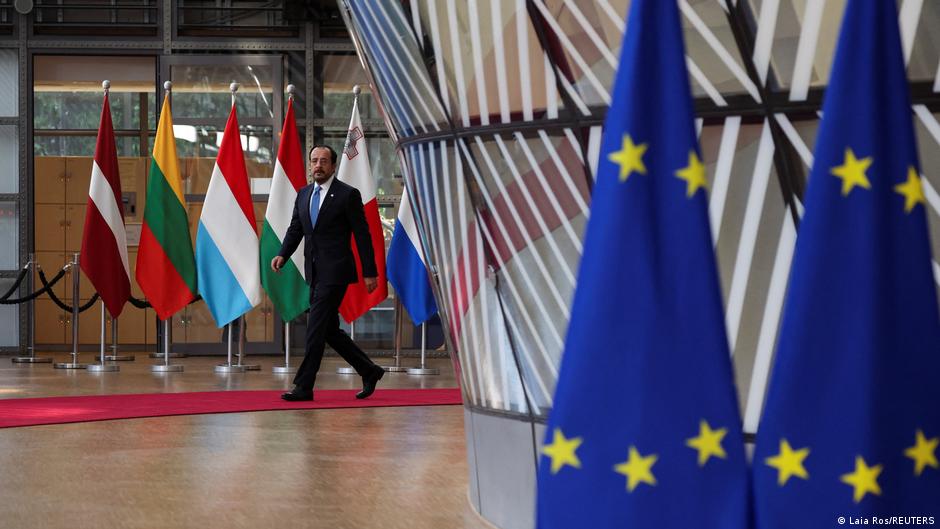
In a significant move, the European Union has agreed to extend its sanctions against Russia for an entire year, marking the first time the bloc has prolonged such measures beyond the usual six-month term. This decision, reached during the EU summit in Brussels on June 18, signals a firmer stance against Russia’s ongoing war in Ukraine and carries notable implications for British and European financial markets.
EU Sanctions Extension and Hungary’s Role
Previously, the extension of sanctions faced obstacles, notably from former Hungarian Prime Minister Viktor Orbán, who vetoed longer-term measures. However, the political change in Hungary with Prime Minister Péter Márki-Zay now supporting the sanctions has been pivotal in clearing the way for this longer extension.
“This year-long extension of sanctions underscores the EU’s determination to intensify pressure on Russia and curtail its military economy,” stated António Costa’s spokesperson, referencing the EU Council President.
All 27 EU member states backed a declaration condemning Russia’s actions and reaffirming the commitment to weaken Russia’s financial ability to sustain its military operations. This declaration also highlighted the EU’s commitment to further reduce Russia’s energy revenues, including measures targeting Russia’s shadow fleet involved in energy exports.
Consequences for UK and European Business
For London’s financial markets and broader European commerce, the extension introduces continued uncertainty but also opportunities for businesses involved in compliance, sanctions enforcement, and geopolitical risk management. Sterling’s exchange rate may experience volatility reflecting market reactions to the EU’s unified stance and its implications for UK trade relationships with both the EU and Russia.
Financial institutions in the UK, which remains a key global financial hub despite Brexit, will need to stay vigilant to evolving sanctions rules, especially as discussions advance on the 21st sanctions package. This upcoming tranche is expected to include tighter restrictions on Russian military personnel, high-profile figures such as Patriarch Kirill of the Russian Orthodox Church, and potential new limitations across energy, financial services, trade, and even fishing industries.
While the EU’s cohesion on sanctions is reassuring for many businesses seeking regulatory clarity, some member states like Bulgaria have expressed reservations. Bulgarian Prime Minister Rumen Radev has already announced intentions to veto parts of the new sanctions package, citing economic concerns and opposition to measures targeting Patriarch Kirill. This highlights ongoing intra-EU challenges that could influence future sanction implementations and market stability.
Looking Ahead
The formal approval for the year-long extension is expected in the coming weeks, setting the stage for a sustained period of economic and diplomatic pressure on Russia. For the UK, maintaining alignment with these measures remains strategically important given London's role as a financial gateway to Europe and the desire to uphold UK-EU cooperation in sanction policies.
As geopolitical tensions persist, businesses across the UK and Europe are advised to monitor developments closely. The extended sanctions regime, coupled with anticipated new restrictions, will shape market dynamics, investment decisions, and regulatory compliance requirements well into 2025.