EU Leaders Prepare for Potential Talks with Russia Amid Market Uncertainty in London
EU Council President António Costa discusses coordination among member states for possible negotiations with Russia, while London markets monitor sterling and euro impacts.
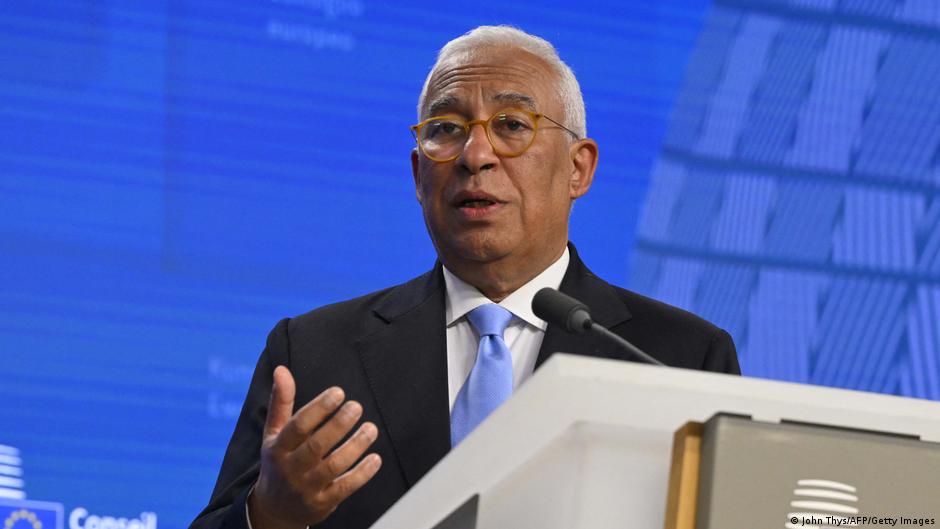
European Union leaders are actively preparing for the possibility of negotiations with Russia, a development that could influence economic relations and market dynamics across the UK and Europe. António Costa, President of the European Council, revealed ongoing discussions with heads of all 27 EU member states on how best to organize and approach these potential talks with Russian President Vladimir Putin.
European Coordination and British Market Implications
Speaking at the European University Institute in Florence, Costa emphasized that while there is potential for dialogue, no clear signal of Moscow’s readiness for "effective" and "serious" negotiations has yet emerged. The European Council is carefully coordinating its position, taking into account the interests of all member states. Although the EU is preparing, Costa noted that it does not intend to obstruct negotiations conducted by the United States.
"I am negotiating with leaders of the 27 member states to decide how best to organize ourselves and what exactly needs to be discussed with Russia when the time comes," said Costa.
This EU-level coordination is significant for the UK and the broader European economic landscape. The prospects of talks with Russia are being closely watched in London, where financial markets remain sensitive to geopolitical developments. Sterling and the euro have demonstrated volatility in response to conflict-related news and shifts in EU policy. Investors are particularly alert to any progress that could ease tensions and stabilize energy supplies, which directly impact inflation and economic growth in the UK and Europe.
The UK, while not an EU member, maintains strong trade and financial links with EU economies. London’s financial sector, a global hub for foreign exchange and commodities trading, is positioned to respond swiftly to any breakthrough or setback in EU-Russia relations. Market analysts expect that any move toward dialogue that reduces conflict risks could bolster confidence in sterling and the euro, while escalating tensions would likely trigger safe-haven flows.
Background and Regional Context
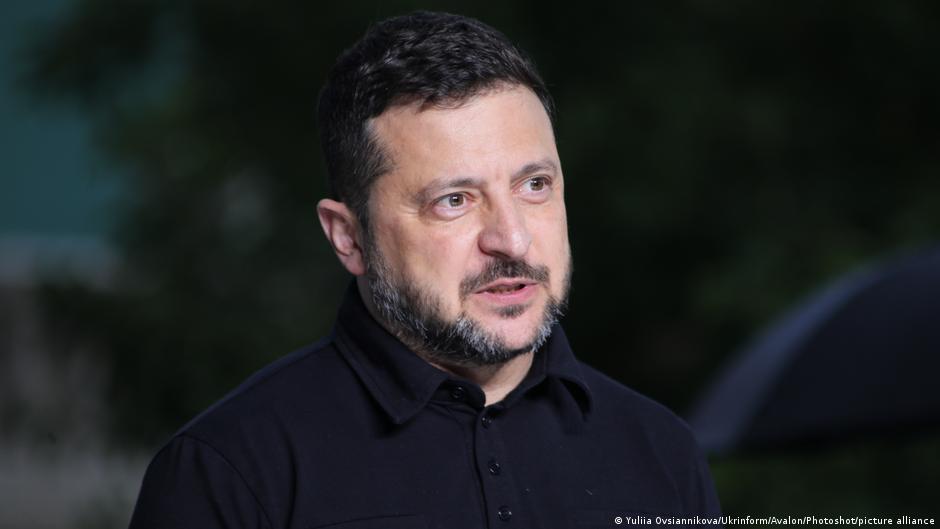
Preparations for these potential negotiations come after Ukrainian President Volodymyr Zelensky urged the EU at the Cyprus summit in late April to be ready to contribute positively to any peace talks. High-ranking Ukrainian officials have also called for tighter European coordination, suggesting the EU could emerge as a leading voice representing European interests during negotiations.
The last significant Europe-Russia dialogue occurred in early February 2026, when French presidential advisors visited Moscow to explore EU participation in peace discussions to end the war in Ukraine. However, their proposals were rejected by Russian officials, with Kremlin sources indicating that Russia remains open to constructive dialogue only if counterparts share the same willingness.
Complicating matters is the recent escalation of conflict in the Middle East, particularly involving the United States and Iran. This development has diverted focus and resources, delaying planned trilateral talks involving Russia, the US, and Ukraine. The US special envoy is set to meet with Ukrainian officials soon, marking renewed diplomatic engagement amid these geopolitical challenges.
Despite setbacks, Ukrainian negotiators express cautious optimism. Kirill Budanov, head of Ukraine’s presidential office negotiating team, stated that although both sides have held maximalist positions, progress toward compromise is emerging, suggesting that a resolution to the conflict may not be far off.
For the British and European economies, the outcome of these diplomatic efforts holds significant implications. Stable peace prospects would help alleviate energy supply uncertainties and reduce inflationary pressures, benefiting markets and consumers alike. Conversely, prolonged discord could exacerbate economic volatility, affecting investment and trade flows throughout the region.