EU Pledges €710 Million in New Humanitarian Aid as UK NGOs Watch Funding Flows
The European Commission says Africa, Ukraine, the Palestinian territories and Lebanon will be among priorities in the expanded crisis package.
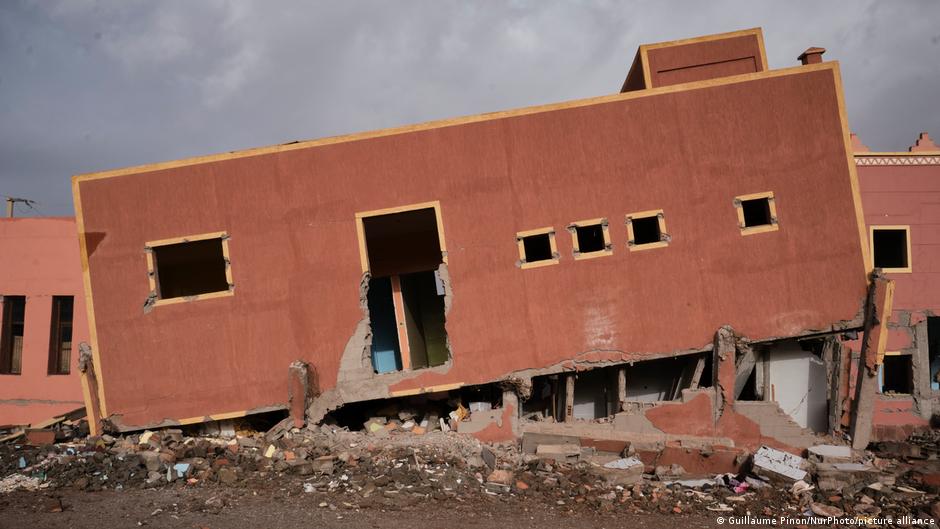
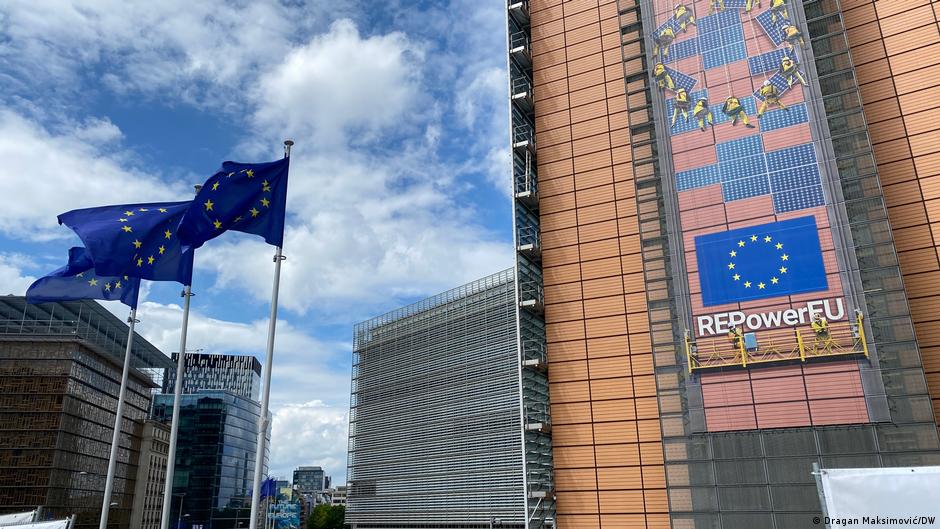
The European Union will allocate an additional €710 million in humanitarian assistance for people affected by wars, natural disasters and other crises worldwide, European Commission President Ursula von der Leyen said on Saturday, 26 September. The announcement, made in a video address to participants of the Global Citizen Festival in New York, adds a sizeable new tranche to Brussels’ global crisis spending and carries implications for European aid contractors, British charities and policy groups tracking euro-denominated funding flows.
The New York festival was later cancelled because of bad weather, but the Commission chief’s message set out the EU’s latest priorities at a time when conflict, displacement, disease outbreaks and climate-related emergencies are placing sustained pressure on international relief budgets. Von der Leyen said particular attention would be paid to Africa, as well as to forcibly displaced people and the communities hosting them.
“Particular attention will be paid to Africa, as well as to forcibly displaced people and the communities hosting them,” von der Leyen said, according to the announcement.
For London-based humanitarian organisations, procurement specialists and development consultants, the package will be watched not only as a political signal from Brussels but also as a practical funding stream. UK groups no longer sit inside the EU’s institutional framework after Brexit, but many remain active in European-led relief networks, partner consortia and supply chains. The sterling value of euro commitments can also matter for British organisations budgeting staff, supplies and grant applications in pounds while operating in markets where contracts are set in euros.
Africa and Migration Programmes Lead the Package
The largest named component of the additional support is around €380 million for migration-related measures in African countries south of the Sahara. The funding is intended to support the most vulnerable groups of migrants, as well as their return to countries of origin and reintegration. That focus places sub-Saharan Africa at the centre of the EU’s humanitarian and migration policy mix, an area of close interest to both Brussels and European capitals seeking to manage displacement pressures while maintaining humanitarian commitments.
A further €252 million will go to emergency assistance linked to active armed conflicts, forced population displacement, epidemics and natural disasters. Within that sum, €97 million is earmarked for sub-Saharan African countries, €103 million for the Palestinian territories and Lebanon, and €52 million for Ukraine, including winter preparedness.
Smaller amounts are also planned for the Great Lakes region of Africa and for efforts to address an Ebola outbreak in the east of the Democratic Republic of Congo. The source article did not specify the exact size of those smaller allocations.
The package reinforces the EU’s role as one of the world’s major humanitarian donors at a moment when funding needs have been rising across several theatres simultaneously. For European businesses involved in logistics, medical supply, food procurement, temporary shelter, reconstruction materials or digital cash-transfer systems, the new money may translate into tenders and partnerships over the coming months. For the City of London and the wider UK aid sector, the issue is less a direct market-moving event than a reminder that humanitarian spending remains a significant area of euro-zone public expenditure with cross-border operational effects.
Ukraine Funding Remains a European Priority
Ukraine remains a major recipient of EU humanitarian support. The new package includes €52 million for Ukraine, with the money to cover needs including preparations for winter. The EU had initially provided €145 million for humanitarian assistance to Ukraine in 2026, according to the source article. Over recent months, however, the volume of humanitarian aid for Ukraine and Moldova was increased to €248 million.
The assistance is directed toward food purchases, medical aid, housing reconstruction, cash payments and winter preparation. Since the start of Russia’s full-scale war, the European Commission has allocated more than €1.4 billion to humanitarian aid programmes for Ukraine.
That continuing flow of support is closely watched in Britain, where Ukraine policy remains one of the main areas of alignment between London and Brussels despite the UK’s departure from the EU. For UK suppliers and non-governmental organisations working around Ukraine and Moldova, the scale and timing of EU allocations can affect project planning, staffing and currency exposure. A euro-denominated contract or grant may stretch further or less far in sterling terms depending on exchange-rate movements, even when the underlying political commitment is unchanged.
The broader 2026 EU humanitarian budget is around €1.9 billion worldwide. According to European Commission data cited in the source article, the largest spending categories are €557 million in support for countries in sub-Saharan Africa and €463 million for the Middle East and North Africa. Those allocations show how Brussels is balancing long-running regional crises with urgent conflict-related needs in Ukraine, the Palestinian territories and Lebanon.
For London markets, the announcement is unlikely by itself to drive a sharp sterling move, but it adds to the fiscal and geopolitical context investors follow when assessing Europe’s public spending priorities, migration pressures and external commitments. Aid budgets can also influence corporate activity in sectors linked to humanitarian delivery, from pharmaceuticals and medical equipment to construction materials, transport and financial technology used for cash transfers.
The EU’s additional €710 million commitment therefore carries several layers of significance. It is a humanitarian pledge for communities affected by conflict, displacement, disease and disasters. It is also a policy signal about where Brussels intends to concentrate crisis response in 2026: sub-Saharan Africa, migration-related support, the Middle East, Ukraine and selected health emergencies in Africa. For British organisations working alongside European partners, the announcement will be read through the practical lens of eligibility, procurement access, sterling budgeting and operational reach.
As humanitarian needs expand across multiple regions, the EU’s decision to increase funding underscores the importance of coordinated donor action. It also shows that, even after Brexit, major European aid decisions remain relevant for UK institutions, charities and companies that operate in the same crisis zones and often depend on the same networks of local partners, suppliers and implementing agencies.