Finland Urges EU Tourist Visa Ban for Russians as Business Watches Schengen Shift
Elina Valtonen says EU states should act together on Russian tourist visas while Moscow continues its war against Ukraine.
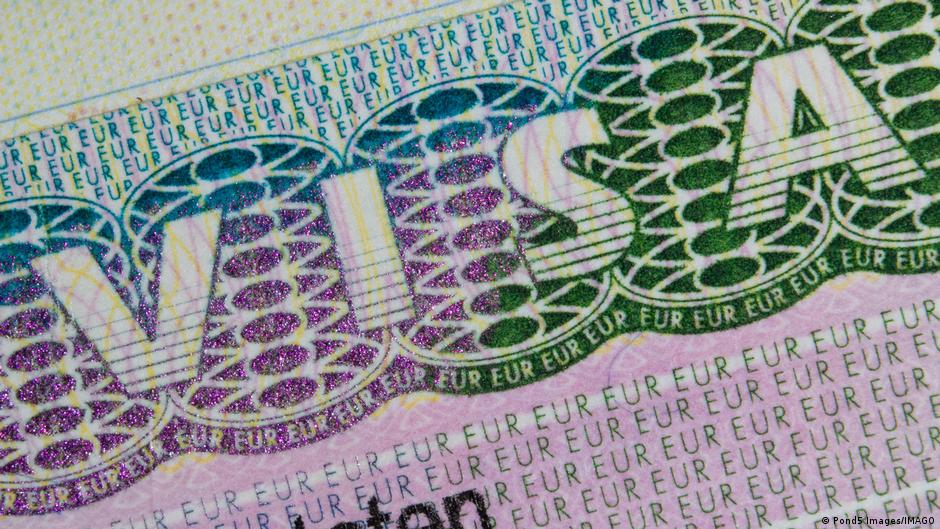
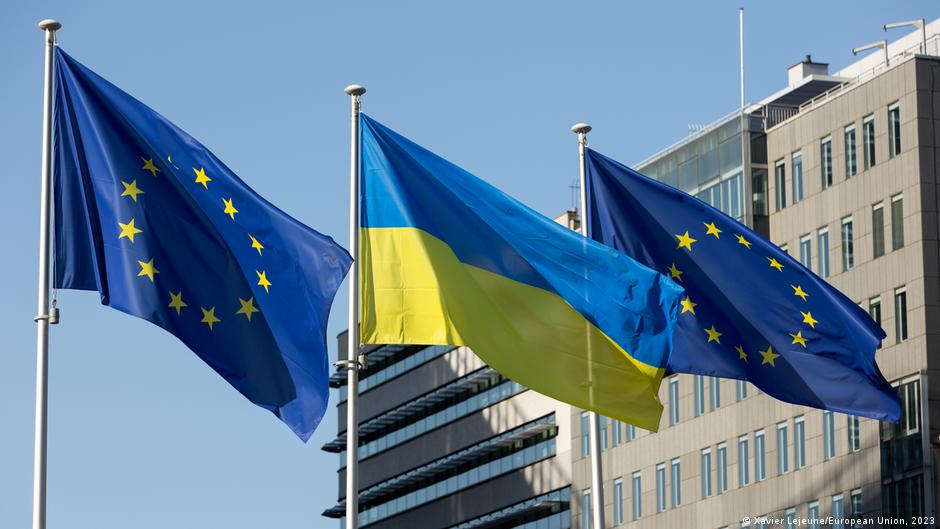
Finland’s foreign minister, Elina Valtonen, has urged European Union countries to stop issuing tourist visas to Russian citizens while Russia continues its war against Ukraine, a move that would tighten the EU’s stance on cross-border travel and could be watched closely by businesses exposed to Schengen mobility, aviation and European consumer demand.
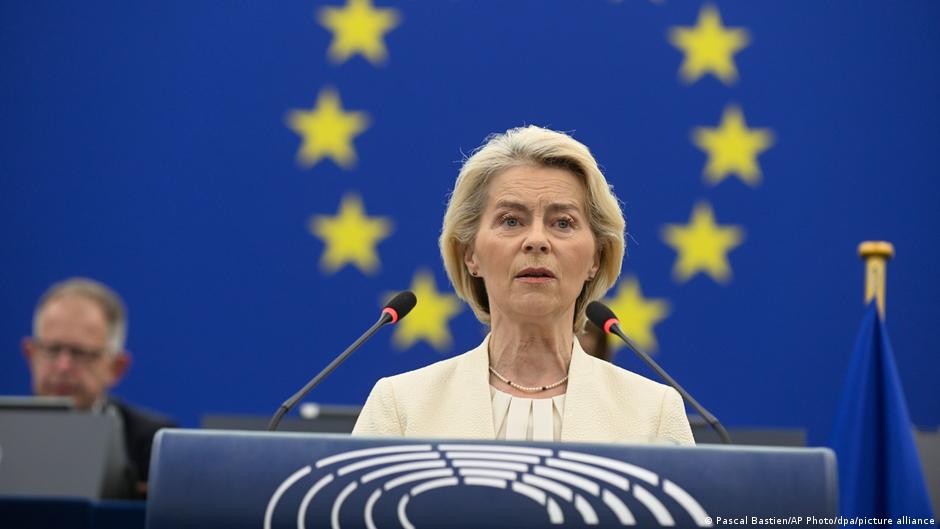
Valtonen said on X on Monday, 12 October, that she had invited other EU member states to join her appeal to the European Commission on the issue. Her call adds pressure to a debate already moving through European institutions, with visa policy towards Russia due to be discussed by the Council of the EU on 14 October, according to information published on the website of Austria’s parliament.
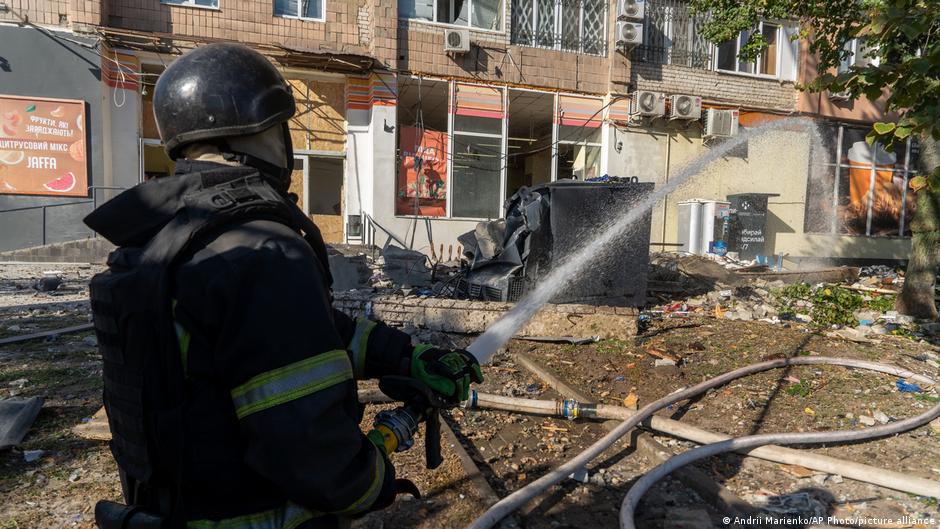
“It is wrong that Russians can travel to Europe to enjoy the lifestyle and freedoms here while their country bombs Ukrainian homes,” Valtonen said.
The Finnish minister said Finland had already banned the issuing of visas to Russians for non-essential travel in 2022, and argued that the same approach should now be adopted at EU level. Her position reflects a broader push among Baltic and Nordic countries for more coordinated restrictions on Russian access to Europe’s travel area.
EU Visa Policy Moves Back Onto the Business Radar
For UK and European businesses, the proposal is not a conventional market-moving policy in the way that interest rates, energy prices or sanctions on commodities can be. But it sits within the wider sanctions and risk environment that investors in London and continental Europe have had to track since Russia’s full-scale invasion of Ukraine.
The UK is no longer part of the EU or the Schengen Area, so a Brussels-level tourist visa ban would not directly set British border policy. Even so, London-listed travel, retail, luxury goods and aviation-linked companies tend to monitor changes in European mobility rules, particularly where they affect demand patterns across major EU destinations. The source material does not report any immediate sterling move or London market reaction to Valtonen’s comments, but the issue forms part of the broader geopolitical backdrop that can influence risk sentiment towards Europe.
Valtonen also called for a ban on the issuing of Schengen visas to people in the close circle of Russian President Vladimir Putin. She urged restrictions on visas for Russian athletes and the effective implementation of a ban on visas for Russian participants in the war against Ukraine.
“EU countries must act together,” Valtonen said.
The appeal comes as the EU continues to weigh how far visa restrictions should go beyond sanctions on officials, banks, goods and energy-related trade. Travel rules have become part of the wider debate over whether Russian citizens should be able to access European leisure destinations while the Kremlin wages war.
Baltic and Nordic States Push for Tougher Measures
Valtonen’s remarks follow earlier calls from other European officials. In September, Kaja Kallas, the EU’s high representative for foreign affairs and security policy, said the bloc needed to toughen restrictive measures against the Kremlin in response to what she described as Moscow’s “hybrid attacks,” including by reducing the number of tourist visas.
Estonia has also supported a ban on visas for former Russian participants in the war against Ukraine. That measure was later backed by other countries in the Baltic region and Northern Europe, according to the source article.
In June, a group of EU countries issued a joint call to stop issuing tourist visas to Russians. A letter signed by those countries said that in 2025, Russians had been issued 470,000 visas to visit 29 Schengen Area countries. Many of those visas allowed multiple entries, AFP was cited as noting.
The number highlights why the issue matters beyond foreign-policy symbolism. Schengen visas govern access to a large part of Europe’s travel and commercial space, and any coordinated change could affect airlines, airports, hotels, retailers and payment-related businesses operating across EU tourist destinations. The effect on UK companies would depend on their exposure to continental European travel flows and luxury or leisure spending rather than on UK immigration rules directly.
For policymakers, the question is whether tourist travel should remain available to Russian citizens while the war continues. For businesses and investors, the practical issue is how any EU-level decision would be implemented, whether exemptions would apply, and whether the policy would be uniform across member states.
Valtonen’s central argument is that national restrictions are no longer enough. Finland moved in 2022 to block visas for Russian non-essential travel, but she is now pressing for a bloc-wide approach. The forthcoming EU Council discussion on 14 October is therefore likely to be watched as another sign of how far Brussels is prepared to align mobility policy with its broader response to Russia’s aggression against Ukraine.