Fire Reported at Sanctioned Russian Plant Housing Yandex Data Centre
The incident in Ryazan region may draw attention in London and Europe because the site is linked to cloud infrastructure and sanctioned industrial capacity.
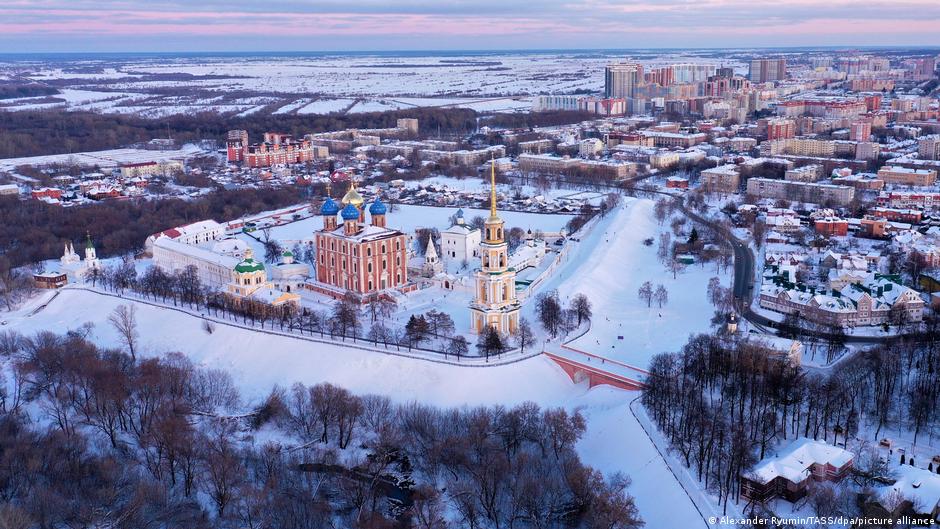
A fire broke out in Sasovo, in Russia's Ryazan region, on the grounds of the Sasta plant, where a Yandex DC data centre is located, according to the Russian outlet Astra. The enterprise produces computer numerical control, or CNC, metalworking machines, placing the incident at the intersection of Russia's industrial base, digital infrastructure and sanctions policy watched closely by Britain and the European Union.
Astra said its conclusion was based on open-source intelligence analysis of the site. The publication reported overnight on Thursday, 8 October, that the fire had started on the territory of the Sasta machine-tool plant, which also hosts the data centre of Yandex DC LLC. The report said that employees of the data centre themselves had shown its equipment last month and stated directly that it was located in Sasovo, Ryazan region.
“Last month, the data centre employees themselves showed its equipment and directly stated that it is located in Sasovo, Ryazan region,” Astra said in its Telegram post.
The event is likely to be read in London and across European capitals less as an isolated industrial accident than as a reminder of the infrastructure links between Russia's technology sector and sanctioned manufacturing capacity. Sasta, according to Astra's reporting, specialises in CNC metalworking machines whose equipment is used in the defence, aerospace, transport and heavy industry sectors. Astra wrote that the company's significance for Russia's military-industrial complex lies not in the production of finished weapons, but in supporting the production base: its machines are needed to make high-precision metal parts and assemblies.
Sanctions Context Matters for UK and EU Investors
For British and European readers, the sanctions status of the plant is central. Astra noted that Sasta is under sanctions imposed by Canada, Switzerland, the European Union, the United Kingdom, Australia, New Zealand and Japan. That puts the site within a policy framework already familiar to London market participants tracking compliance exposure, supply-chain risk and the durability of restrictions on Russian industrial capability.
The presence of a Yandex-linked data centre at or near an industrial facility under multiple Western sanctions also sharpens questions for companies and investors assessing Russian technology dependencies. The article does not state that the data centre itself was damaged, nor does it provide a cause for the fire. But the reported location alone is likely to be scrutinised by analysts because cloud availability, industrial facilities and sanctions enforcement have become increasingly connected risk categories since Russia's full-scale invasion of Ukraine.
Sterling markets are unlikely to react mechanically to a single reported fire in Ryazan region. However, for UK-based investors, the incident fits into a broader pattern of geopolitical risk that can affect sentiment toward defence, cyber-security, cloud resilience and energy-sensitive assets. Any sign of disruption to Russian digital infrastructure can feed into the wider risk premium around European security, while any escalation in attacks on infrastructure can reinforce caution in currency markets, including sterling, particularly when investors are already weighing UK growth, inflation and the Bank of England's policy path.
London-listed companies with exposure to cyber-security, cloud infrastructure, defence supply chains and compliance services may draw indirect attention if incidents like this raise questions about resilience and operational continuity in the region. At the same time, the report contains no financial data, no market pricing and no confirmed impact on Yandex's broader operations, so any market interpretation remains necessarily cautious.
Yandex Cloud Interruption Reported, Then Stabilised
Astra later drew attention to a notice about power-supply disruptions affecting a separate availability zone of the Yandex Cloud platform. According to the source article, 40 minutes after those problems appeared, the Yandex Cloud team reported that the situation had stabilised. The source does not state that the disruption was caused by the fire, and the timing should not be treated as proof of a direct connection.
Even a short disruption is relevant for European observers because cloud platforms are critical infrastructure for commercial continuity. In the UK and EU, regulators and businesses increasingly view data-centre resilience as part of economic security, particularly where service interruptions could affect communications, payments, logistics or media services. In this case, the reported interruption was described as limited to a separate availability zone and was said to have stabilised within 40 minutes.
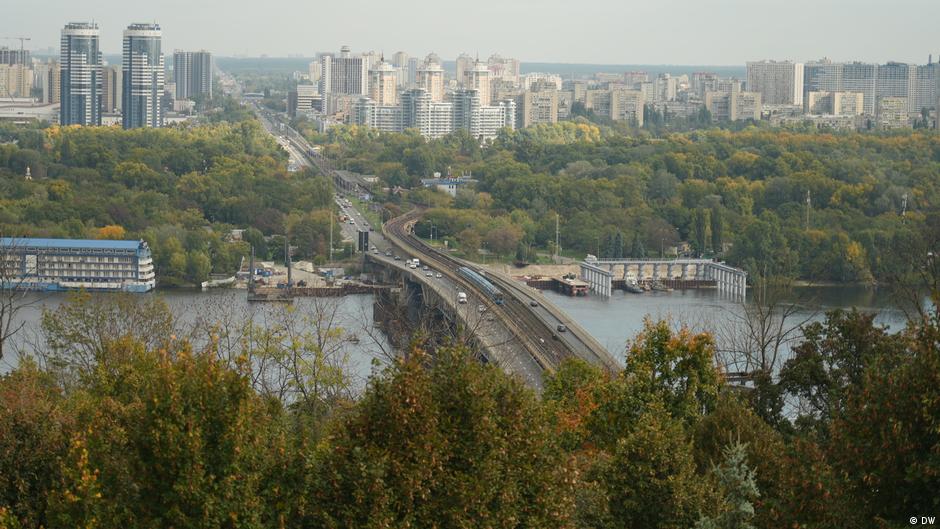
The Ryazan report also lands against the background of attacks on Ukrainian digital infrastructure. Astra's source article recalled that on the evening of 25 September, Russian armed forces began striking infrastructure belonging to the Ukrainian telecoms operator Cosmonova, including a data centre. As a result, Kyiv experienced disruptions to internet and television services.
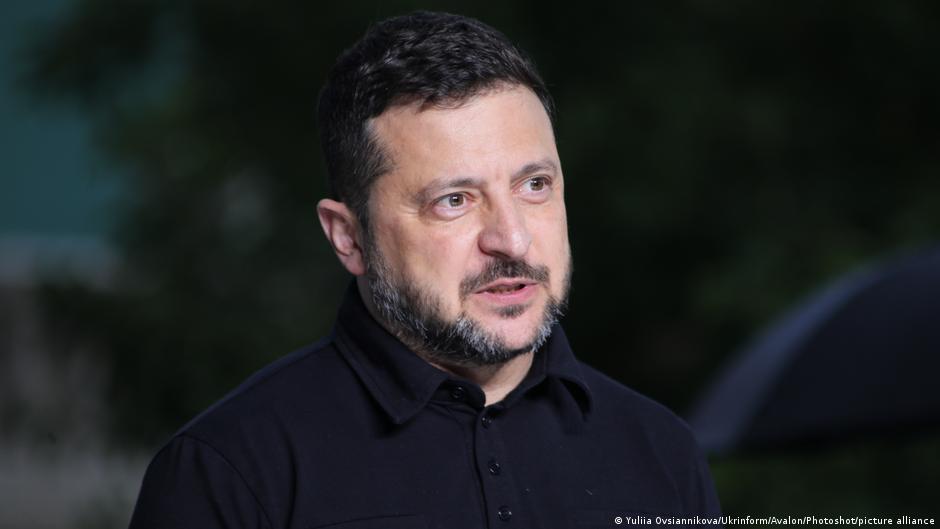
On 3 October, Ukrainian President Volodymyr Zelensky commented on strikes against Ukrainian data centres. “They hit data centres. All of this concerns people. This is definitely not some kind of military infrastructure. How can one hit data centres, mobile communications?” he said, adding that communications are used not only in Ukraine but also in Moscow.
That context is important for a European business audience because digital infrastructure has become part of the war's economic front. Data centres, telecoms facilities and cloud platforms are not just technical assets; they underpin banking, media, public services and private-sector operations. For Britain and the EU, the question is not only whether one Russian facility has suffered a fire, but how infrastructure risk on both sides of the conflict is changing the calculations of companies, regulators and investors.
The immediate facts remain limited: Astra reported a fire on the grounds of the Sasta plant in Sasovo, Ryazan region; the site houses a Yandex DC data centre; Sasta is a sanctioned CNC machine-tool producer with equipment used in strategic industries; and Yandex Cloud later said a power-supply issue in a separate availability zone had stabilised after 40 minutes. For London markets, the significance lies in the convergence of sanctions, industrial capacity and cloud infrastructure at a time when European business is already pricing in a more fragmented and security-driven operating environment.