Former Polish Justice Minister Flees Hungary for US Amid Extradition Concerns
Exiled Polish official linked to corruption investigations relocates to the United States, challenging EU and UK diplomatic dynamics.
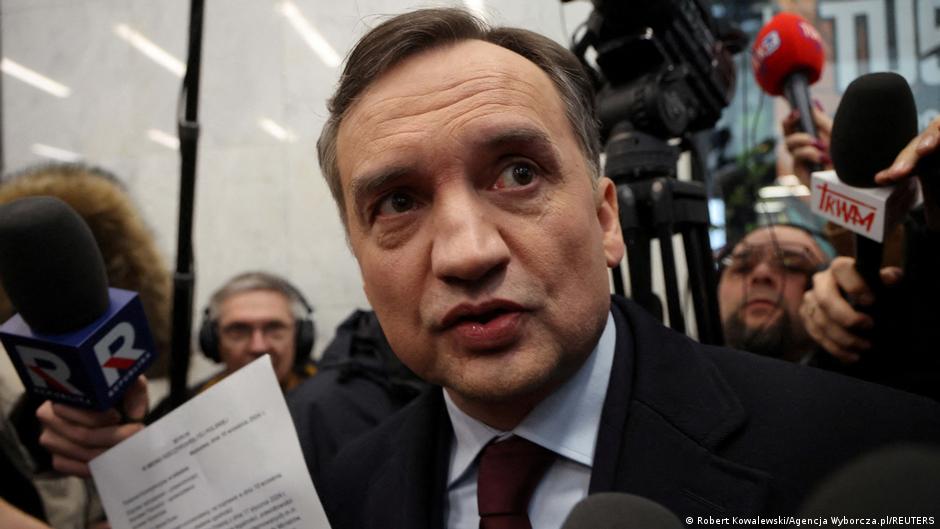
The recent departure of former Polish Justice Minister Zbigniew Ziobro from Hungary to the United States has stirred complex political and legal ramifications across Europe, with significant implications for British and European Union interests.
Background and Political Context
Zbigniew Ziobro, wanted in Poland on multiple criminal charges including corruption and misuse of public funds, fled to Hungary during Viktor Orbán’s premiership, where he was granted asylum. Reports confirm that Ziobro arrived in the United States on May 9, 2026, traveling under a working visa linked to his association with the Polish right-wing television channel Republika, where he is slated to act as a political commentator.
The Polish authorities have expressed sharp concerns over Ziobro’s ability to cross international borders despite having his Polish passport confiscated. Speculation surrounds the issuance of so-called Geneva passports—refugee travel documents granted by Hungary—as a possible means of facilitating his movement.
"Poland will continue its efforts to hold Ziobro accountable before the Polish justice system," stated Poland's Justice Minister Waldemar Żurek, emphasizing the ongoing diplomatic engagement with the US and Hungary for clarification.
EU and UK Interests: Legal and Market Implications
Ziobro’s relocation to the US complicates EU efforts to coordinate justice and extradition policies, highlighting tensions within the bloc regarding asylum and legal accountability standards. Hungary's previous sheltering of politically exposed persons, including Ziobro's deputy Marcin Romanowski, strained relations with Warsaw and raised broader questions about intra-EU solidarity, which resonate throughout European capitals, including London.
From a British perspective, these developments are significant on several fronts. First, the UK's post-Brexit relationship with the EU's justice and home affairs frameworks necessitates careful diplomatic navigation, especially in high-profile cases involving corruption and political asylum within Europe. London-based financial markets are sensitive to political stability within the EU, particularly in Central Europe, where political unrest can impact investor confidence and sterling exchange rates.
Moreover, the involvement of a US visa approval purportedly endorsed by former President Donald Trump, linked to the Polish ruling party’s alignment with the MAGA movement, introduces a transatlantic dimension that British policymakers and businesses must monitor closely. US-UK relations could be tested as Washington’s decisions affect EU internal affairs, potentially influencing how London negotiates its position within broader European security and legal cooperation frameworks.
Prospects and Challenges Ahead
While Ziobro has publicly invited Polish authorities to initiate extradition proceedings, acknowledging the complexity of the US judicial system in such matters, the case underscores the challenges facing cross-border legal enforcement within and beyond Europe. London-based legal experts anticipate prolonged litigation given the political nature of the case and the United States’ historically cautious approach to extradition requests tied to political figures.
The new Hungarian Prime Minister Peter Magyar’s promise to cease shielding foreign officials and cooperate with Poland marks a potential shift in Central European political dynamics. However, Magyar has acknowledged the possibility that some individuals may have already left Hungary, as Ziobro has demonstrated.
For British businesses and investors, sustained instability and legal uncertainty in Central Europe could affect market conditions and sterling’s relative strength against the euro. London’s financial sector, which maintains considerable exposure to EU markets, must weigh these geopolitical risks amid ongoing efforts to solidify post-Brexit economic ties across the continent.
In sum, Zbigniew Ziobro’s flight to the US and the ensuing diplomatic interplay highlight the intricate balance between justice, political asylum, and international diplomacy that continues to shape UK-EU relations and market sentiment.