Germany Considers Steinmeier as EU Representative for Potential Russia Peace Talks
Berlin weighs appointing President Steinmeier alongside Schröder to represent the EU in peace negotiations with Russia amid ongoing Ukraine conflict.
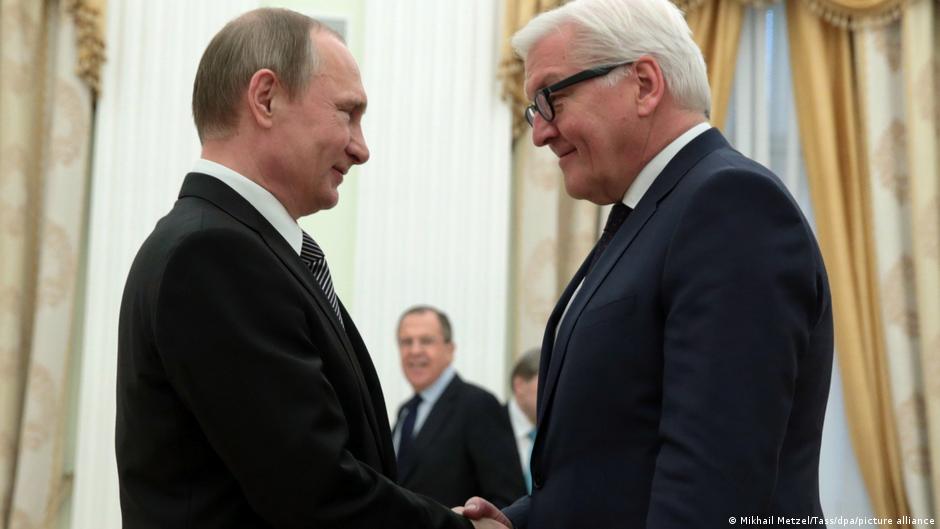
Germany's ruling coalition is contemplating the appointment of President Frank-Walter Steinmeier as the European Union's representative in potential peace negotiations with Russia aimed at ending the war in Ukraine. This consideration emerges amid complex geopolitical dynamics and ongoing tensions surrounding the conflict.
Prospects for an EU Mediation Duo
According to sources close to the German government, the idea gaining traction in Berlin is a "mediation duo" involving former Chancellor Gerhard Schröder and President Steinmeier. While Russian President Vladimir Putin has publicly preferred Schröder, given his longstanding personal ties with Moscow, German officials express skepticism about Schröder acting alone as an EU envoy.
German authorities reportedly regard the joint involvement of Steinmeier and Schröder as an "interesting option," potentially lending greater legitimacy and balance to the EU's role in any peace talks. Schröder's candidacy alone has faced resistance within Germany's coalition government, which doubts his capacity to manage the task single-handedly. This stance aligns with reports from Reuters and other European media that German officials have dismissed Putin's proposal of Schröder as the EU's mediator.
"The proposal from Putin is not considered credible since Russia has yet to demonstrate a real willingness for compromise," a government insider noted.
Putin publicly named Schröder as his preferred EU interlocutor during a May 9 press conference, emphasizing his desire to engage with European politicians who have not spoken negatively about Russia. However, German officials remain wary, interpreting Russia's statements as part of a hybrid strategy aimed at undermining European unity.
Implications for the UK and European Markets
While the discussions currently center on German leadership roles within the EU, the prospect of EU-mediated peace talks holds significance for broader European and British interests. A potential de-escalation in Ukraine could ease geopolitical tensions, positively impacting European energy markets and investor sentiment. Sterling and London financial markets, sensitive to fluctuations in risk appetite and geopolitical stability, may respond favorably to any credible progress toward peace negotiations.
However, uncertainty remains high as official negotiations between Russia and Ukraine are not currently underway. Russian Foreign Minister Sergey Lavrov confirmed in mid-April that direct talks have stalled. The German government has indicated that a key test of Russia's sincerity would be the extension of current ceasefire periods, which to date have been brief and fragile.
For British and EU businesses, the ongoing conflict imposes continued volatility in supply chains, commodity prices, and financial markets. The potential EU-led mediation, particularly involving high-profile figures like Steinmeier, may signal a shift toward diplomatic solutions that could stabilize these conditions over time.
Nevertheless, careful monitoring is essential as European capitals, including London, navigate the complex interplay of diplomacy, economic interests, and security concerns in this evolving crisis.