Germany Identifies 410 Islamist Threats Amid Rising Radicalization Concerns in Europe
German authorities report 410 individuals pose Islamist threats; UK and EU markets monitor security implications amid ongoing radicalization challenges.
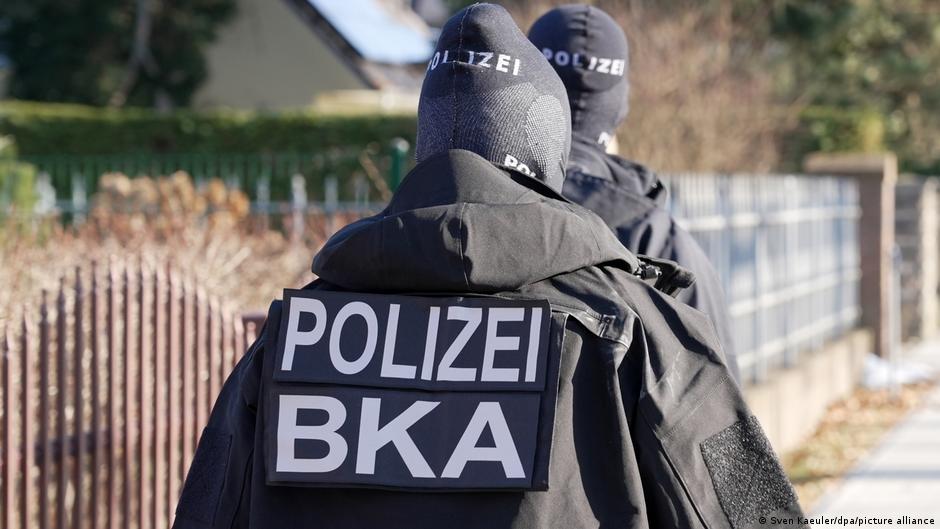
German federal agencies have identified 410 individuals considered threats due to Islamist activity as of mid-2026, underscoring ongoing security concerns in Europe that have implications for British and EU interests, including financial markets and sterling stability.
Rising Islamist Threats and Radicalization in Germany
The Federal Criminal Police Office (Bundeskriminalamt, BKA) reported on 28 July that 410 people in Germany are classified as posing a threat linked to Islamist extremism. These individuals are seen as capable of carrying out serious violent crimes, including terrorist attacks.
In addition, authorities have identified 65 potential right-wing extremists and 17 potential left-wing extremists. The responsibility for designating individuals as threats lies with Germany's federal states, with decisions made on a case-by-case basis. Consequently, the number of individuals under surveillance fluctuates over time.
Meanwhile, the Consultation Center on Radicalization within the Federal Office for Migration and Refugees (BAMF) in Nuremberg recorded 165 consultation requests in the first half of 2026, demonstrating sustained demand for expert advice on Islamist radicalization comparable to 2023 levels. Three years ago, the annual consultation volume was 374.
More than half of these consultations in 2025 came from official institutions, including schools, while just under 43% originated from family members concerned about radicalization. Parents represented the largest group seeking guidance. The average age of those suspected of radicalization was just under 19 years.
"The need for consultations regarding Islamist radicalization remains high, reflecting ongoing challenges in preventing violent extremism," stated a BKA representative.
Impact of Terror Attacks and Security Responses
The October 2023 terrorist attack by the Palestinian Islamist movement Hamas on Israel marked a turning point in public sensitivity to radicalization across Europe, resulting in increased reporting and preventive efforts.
One notable case involves Abdul B., a 21-year-old German citizen of Lebanese descent, who was involved in a violent incident at Berlin’s LGBTQ+ Pride parade (CSD) on 25 July. Driving a white van into the crowd near Brandenburg Gate, he injured multiple participants and was subsequently shot dead by police. A woman died, and 29 others were injured.
Authorities revealed that Abdul B. had connections with Islamist circles, was previously detained on suspicion of preparing a terrorist attack, and had recently been released from youth detention. Earlier, he was detained at Berlin Brandenburg Airport after returning from Lebanon, with investigations indicating an attempt to join the Islamic State in Syria.
Germany’s Interior Minister Alexander Dobrindt characterized the Berlin attack as an Islamist terrorist act, intensifying debates about the management of radicalized individuals.
Dirk Peglow, head of the German Criminal Police Union (BDK), criticized how authorities handle high-risk individuals. In an interview with Handelsblatt, Peglow emphasized, "Releasing someone with such a high threat level cannot mean the state stops monitoring them." He urged the initiation of deradicalization programs during detention and their continuation post-release.
Bavarian Interior Minister Joachim Herrmann called a Berlin court's decision to sentence Abdul B. to a suspended sentence "a catastrophe," highlighting concerns about judicial leniency in terrorism-related cases.
UK and EU Business Considerations
For the UK and EU, rising Islamist threats in Germany pose multifaceted challenges. Heightened security risks can influence investor confidence and market stability, particularly in London’s financial sector, which maintains deep ties with European counterparts.
Concerns about terrorism and radicalization may lead to increased regulatory scrutiny and security expenditures, potentially impacting cross-border trade and investment flows. Sterling, sensitive to geopolitical uncertainties, could experience volatility amid evolving security developments within the EU.
Moreover, collaborative counter-terrorism efforts between the UK and EU member states like Germany remain critical. Enhanced intelligence sharing and preventive strategies are essential to mitigate risks that extend beyond national borders.
As Europe grapples with radicalization trends, the interconnectedness of security and economic stability will remain a key focus for policymakers and market participants alike.