Germany Sends Eurofighters to Latvia as Baltic Security Weighs on Europe
The temporary deployment underscores NATO’s eastern flank risks as UK and EU investors track defence spending, sterling and London market sentiment.
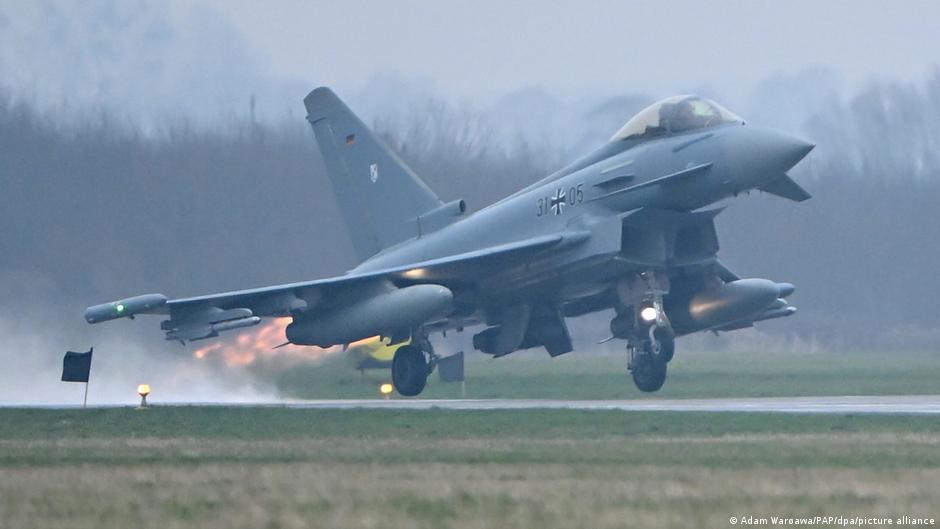
Germany has moved four Eurofighter jets to Latvia to help protect the country’s airspace during parliamentary elections, a deployment that highlights the security pressures facing NATO’s north-eastern flank and the broader business implications for Britain and Europe.
The aircraft, drawn from the Bundeswehr’s 74th Tactical Air Wing at Neuburg an der Donau, were transferred to the Lielvarde military airfield in central Latvia. Latvia’s defence ministry in Riga said on Thursday, September 24, that the deployment was intended to secure the country’s airspace during parliamentary elections scheduled for October 3.
The Eurofighters are expected to remain in Latvia for just over a week. During that period, they will support NATO’s integrated air and missile defence system, adding a visible layer of reassurance at a politically sensitive moment for a Baltic state bordering the alliance’s most exposed region.
For London and European markets, the deployment is another reminder that security risk in the Baltic region is no longer a remote geopolitical issue. Defence commitments, energy security, logistics resilience and currency sentiment are increasingly connected. Any sign of further instability on NATO’s eastern flank can feed into investor assessments of European defence stocks, government borrowing priorities and the outlook for sterling against the euro.
Security Signal for NATO and Markets
Latvia had asked its NATO allies for support following repeated violations of Baltic airspace, according to the dpa news agency. The request comes against the background of sustained pressure on Estonia, Latvia and Lithuania since Russia’s full-scale war against Ukraine began.
Since the Baltic states joined NATO in 2004, the alliance has provided air policing across its north-eastern flank. That mission has taken on greater importance as drones have repeatedly entered Baltic airspace following the escalation of Russia’s war against Ukraine. In August, NATO fighter jets shot down a drone that violated Latvian airspace.
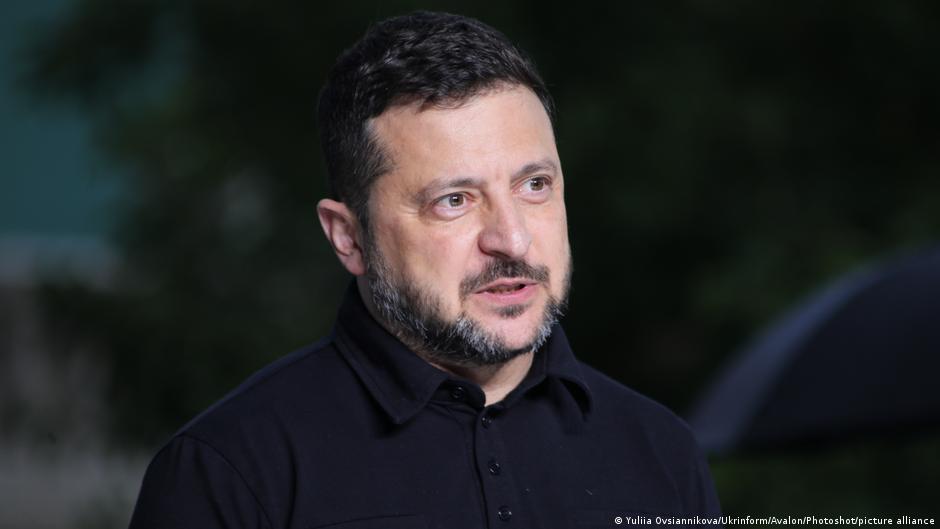
Latvian Prime Minister Andris Kulbergs thanked Germany on X for its “readiness to help and close cooperation”, framing the deployment as a practical demonstration of allied unity.
“This is a concrete sign of NATO solidarity and our shared commitment to protecting Latvia’s airspace and the security of the Latvian people,” Kulbergs said.
The German move is limited in duration, but its timing carries weight. Elections can be vulnerable moments for states facing information pressure, cyber risk and military signalling. By placing advanced fighter aircraft in Latvia during the vote, Berlin is reinforcing both deterrence and confidence in NATO’s collective defence architecture.
For the UK, the implications are indirect but material. Britain is not part of the Eurofighter transfer described by Riga, but it remains a central NATO power, a major European defence spender and a key financial market hub for companies exposed to the region. London-listed defence and aerospace names have already been sensitive in recent years to shifts in European military budgets and procurement priorities.
Sterling traders are unlikely to treat a short-term air policing mission as a standalone market event. Even so, repeated reminders of security pressure in the Baltics can influence the broader risk environment around Europe. If tensions remain contained, the immediate currency effect may be limited. If incidents multiply, investors could reassess the balance between defence-led industrial demand and the fiscal strain of higher security spending across NATO economies.
Defence Spending and Industrial Exposure
The Eurofighter itself is a European defence platform with significance beyond the immediate Latvian mission. Deployments of this kind support the case for sustained investment in aircraft readiness, air defence integration and cross-border military logistics. Those are areas closely watched by suppliers, contractors and investors across the UK and EU.
Germany’s decision also comes as European capitals continue to adapt their defence planning to a longer period of confrontation with Russia. The Baltic states, positioned on the alliance’s north-eastern edge, have repeatedly sought stronger NATO support. Latvia’s latest request fits a pattern in which smaller frontline allies rely on larger NATO members for air policing, surveillance and rapid reinforcement.
The article of deployment is also not a one-off in NATO planning. From December 2026, Eurofighters are due again to take over longer-term NATO airspace surveillance from Estonian territory as part of NATO’s Air Policing mission. Until March 2027, five Eurofighter jets, along with flight crews, are expected to be stationed at Amari air base in north-western Estonia.
That future posting points to a continuing demand cycle for air policing in the Baltic region. For policymakers in London, Brussels and Berlin, the question is not only how to respond to individual airspace violations but how to maintain credible, routine protection without exhausting personnel, aircraft availability or public budgets.
Business leaders with exposure to the Baltics will be watching for signs that the security environment affects transport corridors, insurance costs or investment planning. While the current German deployment is short and defensive, the pattern behind it is persistent. The Baltic region has become a test of NATO’s ability to turn political solidarity into operational presence.
For now, the message from Riga and Berlin is one of reassurance. German Eurofighters will help guard Latvian skies through the election period, NATO’s integrated air and missile defence network will receive additional support, and allies are signalling that Baltic airspace remains under collective protection. For markets, the response is likely to be measured, but the strategic backdrop remains firmly on the radar in London and across Europe.