Global Oil Stocks Shrink at Record Pace Amid Middle East Conflict, Impacting UK and EU Markets
April saw a historic 200 million barrel drop in global oil reserves, pressuring sterling and London’s energy sector amid geopolitical tensions.
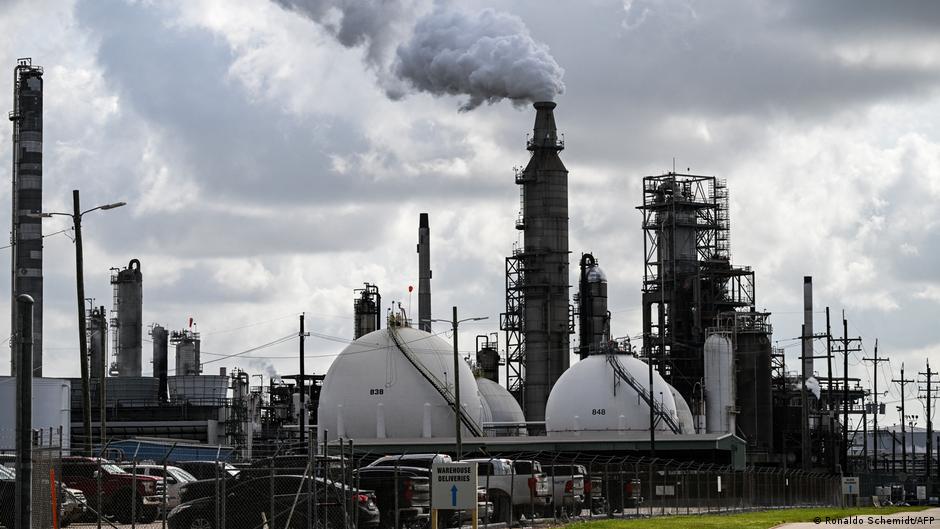
Global oil inventories experienced an unprecedented decline of 200 million barrels in April, according to data from S&P Global Energy and Goldman Sachs. This sharp reduction comes despite a marked decrease in demand, largely driven by rising crude prices linked to the ongoing conflict between the US, Israel, and Iran.
The conflict in the Middle East and the blockade of the Strait of Hormuz have disrupted supply chains, resulting in nearly one billion barrels of oil not reaching the market. This disruption is pushing global oil reserves closer to a critical threshold, with analysts warning that this situation could escalate within weeks.
Consequences for the UK and European Energy Landscape
For the UK and European markets, the shrinking supply of oil is particularly significant. London's energy sector, a major hub for trading and refining operations, is seeing increased volatility as oil prices fluctuate in response to tightening stocks. The sterling has also felt the ripple effects, with currency markets reacting to the heightened uncertainty around energy imports and costs.
"The scale of inventory drawdown far exceeds normal ranges," said Jim Burckhardt, head of oil market research at S&P Global Energy. "The market has yet to fully respond to this rapid depletion, suggesting further upward pressure on oil prices lies ahead."
In Europe, the situation is compounded by a decline in aviation fuel reserves, which have fallen to a six-year low in Northern Europe, according to Argus agency data. This reduction signals potential challenges ahead for the continent’s transportation sector, especially as travel demand begins to recover post-pandemic.
Meanwhile, in Asia, where the initial impact has been most pronounced, supply constraints are driving price increases that reverberate globally. US gasoline stocks are also projected to hit historic lows during the upcoming summer travel season, further indicating global tightness in fuel supply.
Overall, the global crude inventory is estimated at around 4 billion barrels, but much of this volume is tied up in operational processes necessary for refinery and pipeline functioning. The effective available stock for market supply is thus significantly less, exacerbating the supply crunch.
Market watchers in London and across Europe will be monitoring developments closely, as distorted supply-demand dynamics could influence energy costs, inflation, and economic stability in the region. The ongoing geopolitical tensions underscore the vulnerability of energy markets to external shocks, emphasizing the importance of diversified supply sources and strategic reserves for the UK and EU.