Russian Attacks on Ukraine Persist Despite Proposed Ceasefire, Impacting UK and EU Markets
Russia continues military strikes in Ukraine despite Zelensky’s unilateral ceasefire offer, raising concerns for sterling and London’s financial markets.
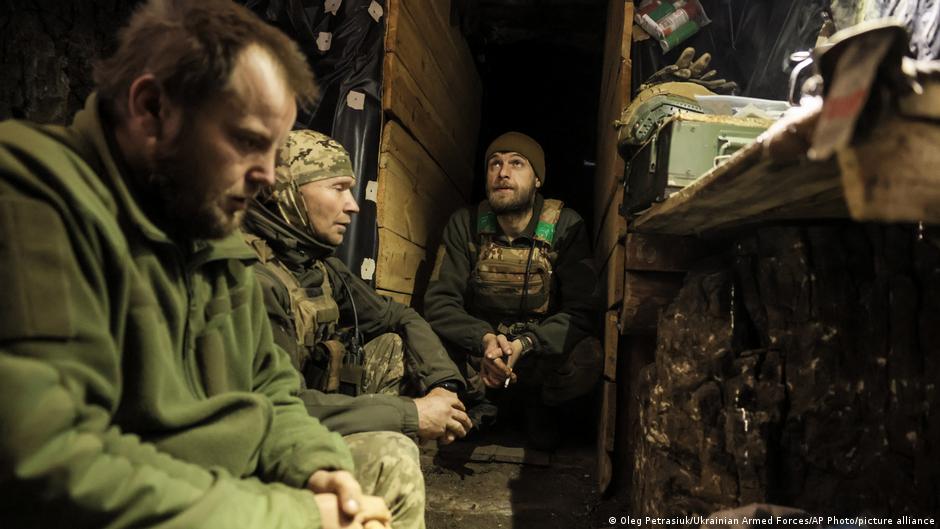
Despite a unilateral ceasefire offer made by Ukrainian President Volodymyr Zelensky on the night of May 6, Russian forces have continued aggressive military actions across several Ukrainian regions. This disregard for the proposed pause in hostilities comes amid a fragile geopolitical environment that is increasingly influencing UK and European financial markets, particularly sterling and London-based investors.
Failed Ceasefire and Ongoing Attacks
Zelensky’s ceasefire proposal, intended as an alternative to Russia’s announced temporary truce for May 8-9 commemorating Victory Day, was rejected in practice as Russian forces carried out further attacks. Ukrainian officials reported strikes against industrial sites in Zaporizhzhia, with cruise missile air raids also recorded in Kharkiv, Sumy, and Donetsk regions. Additionally, Russian drones were detected over Kharkiv and Dnipropetrovsk.
"Human life is immeasurably more valuable than the celebration of any anniversary," Zelensky emphasized while urging Russia to halt attacks concurrently with Ukraine.
The Russian Ministry of Defense had declared a unilateral ceasefire on May 8 and 9 but explicitly threatened "massive retaliatory missile strikes on central Kyiv" should Ukraine disrupt the planned commemorations. In response, Zelensky stated that Ukraine was prepared to cease fire earlier, from midnight May 6, conditional on reciprocal action from Russia. Kyiv’s leadership has also promised mirrored responses if assaults continue.
Implications for UK and European Business
The continuation of conflict despite ceasefire efforts exacerbates regional instability, feeding uncertainty into UK and broader European markets. Sterling has experienced volatility as investors digest the risk of prolonged hostilities, which threaten supply chains, energy security, and investor confidence across the continent.
London’s financial markets, which are closely tied to European geopolitical developments, have responded cautiously to the renewed violence. Analysts note that sanctions and energy dependencies related to Russia have already imposed significant economic pressures, and ongoing conflict risks further disruptions. The failure to achieve a ceasefire may delay any improvement in market sentiment and complicate policy decisions in the UK and EU.
Moreover, the strategic importance of Ukraine for European security and trade underscores the wider implications of the conflict. The UK's continued support for Ukraine, both diplomatically and through economic sanctions on Russia, aligns with efforts to stabilize the region. However, persistent Russian aggression challenges these efforts and may lead to increased costs for British businesses linked to energy imports and supply chains.
In addition, the London market’s exposure to global commodities, many of which are affected by Ukraine and Russia’s roles as producers and transit points, contributes to market sensitivity. Investors remain watchful for any escalation that could trigger wider economic ramifications beyond the immediate conflict zones.
Looking Ahead
The latest developments highlight the complexity of achieving any durable ceasefire amid competing political agendas. UK and European policymakers face ongoing challenges in balancing support for Ukraine with the need to manage economic stability at home. The continuation of Russian strikes despite diplomatic overtures signals a protracted conflict with uncertain timelines, reinforcing the need for vigilance in financial and strategic planning across the region.
As the situation evolves, markets in London and across Europe will remain sensitive to any shifts in the conflict dynamics, diplomatic breakthroughs, or escalations. The resilience of sterling and investor confidence will largely depend on how effectively the UK and its European partners can navigate this geopolitical uncertainty.