US Approves $374M Sale of Precision Bomb Kits to Ukraine Amid Ongoing Conflict
The US State Department authorizes potential sale of JDAM-ER kits to Ukraine, impacting transatlantic defence ties and London markets.
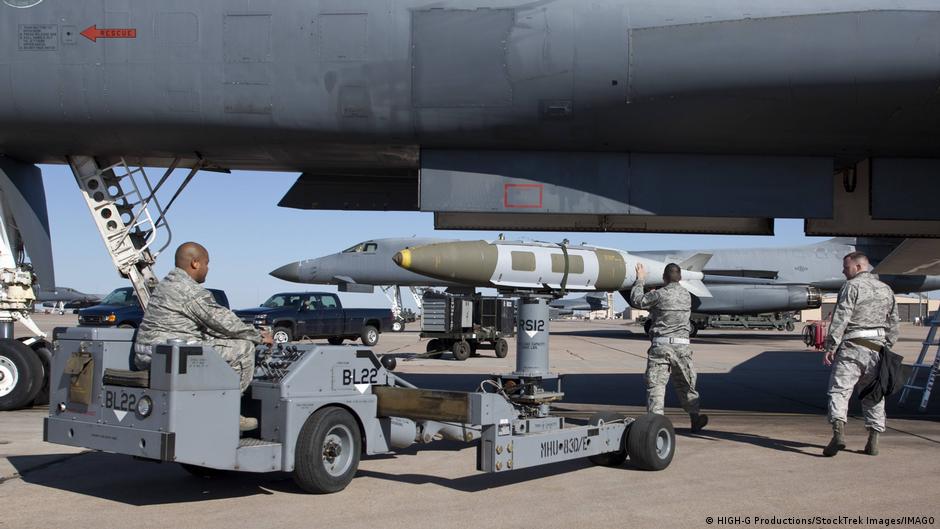
The US State Department has approved the potential sale of Joint Direct Attack Munitions Extended Range (JDAM-ER) kits to Ukraine, valued at $373.6 million. This move aims to enhance the range and precision of air-dropped bombs used by Ukrainian forces in their ongoing conflict.
JDAM-ER kits are aerodynamic tail attachments that extend the operational range of standard bombs by 70 to 80 kilometres, significantly improving strike accuracy and stand-off distance. Kyiv has requested 1,532 such kits alongside maintenance equipment, spare parts, software, and logistical support. Boeing, a major US defence contractor, is set to lead the production and delivery efforts.
Implications for UK and European Defence Interests
The approval does not guarantee immediate delivery; it authorises a potential foreign military sale which must still undergo contract finalisation and production phases. The initial shipments of JDAM-ER kits were reportedly supplied to Ukraine in 2023 under a broader $1.85 billion US aid package agreed early in the conflict.
"The provision of advanced munitions like JDAM-ER underscores the evolving complexity of transatlantic defence cooperation amid the Ukraine crisis," said a defence analyst.
For the UK and European markets, this development underscores Washington's continued commitment to equipping Kyiv with precision weaponry, which may influence defence procurement and stock valuations across London and EU exchanges. British defence firms face both competitive pressures and collaboration opportunities in a shifting landscape shaped by US military support to Ukraine.
However, operational challenges have emerged. Reports indicate that some JDAM-ER kits delivered earlier this year malfunctioned, possibly due to improperly installed fuzes. Moreover, Russian electronic warfare efforts have frequently disrupted GPS signals critical to the guidance systems of these munitions, complicating their effectiveness.
British and European policymakers will be closely monitoring these developments, balancing the strategic imperative to support Ukraine against the risks posed by potential technology failures and escalated conflict dynamics.
The State Department’s announcement is a significant signal of sustained transatlantic defence collaboration, with reverberations expected to be felt in sterling markets and London’s defence sector as geopolitical tensions continue to shape investment and procurement decisions.