Hundreds of Ukrainian Soldiers Desert Training in Germany Since 2022, Impacting UK-EU Security Cooperation
Over 80 Ukrainian troops have deserted military courses in Saxony-Anhalt alone, raising concerns for European defense collaboration and sterling market stability.
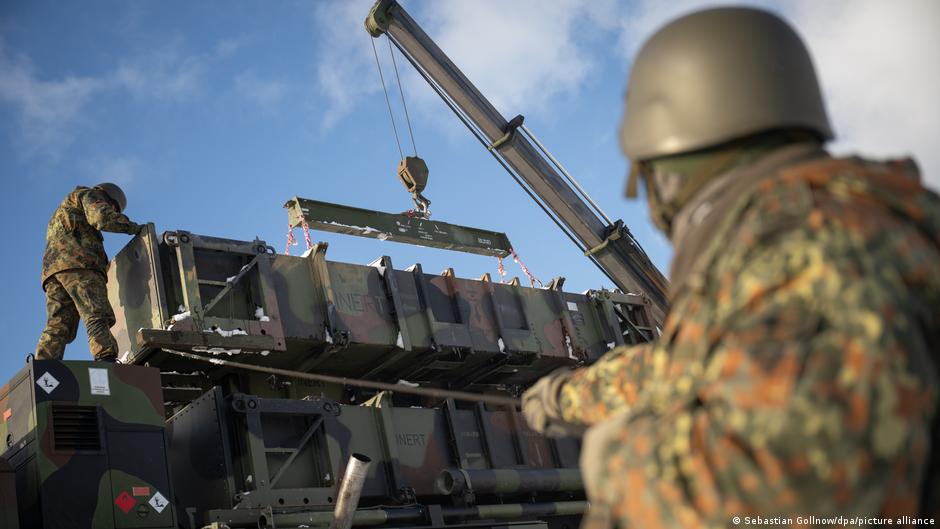
Since 2022, hundreds of Ukrainian servicemen undergoing military training in Germany have deserted their units, with more than 80 cases reported in the federal state of Saxony-Anhalt alone. This development poses challenges not only for Ukrainian military efforts but also for broader UK and European defense cooperation, with potential ramifications for the sterling and London’s financial markets.
Rising Desertion Rates Among Ukrainian Soldiers in Germany
The German publication Die Zeit reported on August 20 that since the full-scale Russian invasion of Ukraine began in February 2022, approximately 29,000 Ukrainian soldiers and officers have attended military courses across Germany. These training programs typically last several weeks and are intended to enhance the combat readiness of Ukrainian forces.
However, the initial wave of highly motivated and experienced Ukrainian troops has increasingly been replaced by individuals with limited combat experience and reluctance to fight. Many of these servicemen were reportedly compelled into the Ukrainian Armed Forces and subsequently deserted during training at the Altengrabow military training ground in Saxony-Anhalt.
Unlike civilian Ukrainian refugees, these soldiers are not protected under Germany’s temporary protection regulations. Under Ukrainian law, desertion is a criminal offense punishable by up to 12 years in prison, which complicates the legal and moral dimensions of their desertion in Germany.
"Many of those sent to Germany for combat training were forcibly conscripted, leading to a growing number of desertion cases as their motivation to fight wanes," notes Die Zeit.
This phenomenon not only raises questions about the effectiveness of military training programs supported by the UK and the European Union but also about the stability and preparedness of Ukraine’s forces amid ongoing conflict.
Implications for UK and EU Security Cooperation and Markets
The desertion issue underscores the complexities facing the UK and EU as they continue to provide military and financial support to Ukraine. London-based defense analysts warn that increasing attrition through desertion could weaken Ukraine’s frontline capabilities, potentially prolonging the conflict and influencing UK defence commitments.
From an economic perspective, uncertainty regarding Ukraine’s military cohesion may affect the confidence of investors in the Eurozone and Sterling markets. London's financial markets, sensitive to geopolitical risks, could experience volatility as investors reassess risks associated with prolonged conflict in Eastern Europe.
Furthermore, the UK’s role as a financial and diplomatic hub for European security initiatives may be tested by diverging outcomes on the ground in Ukraine, highlighting the need for coordinated defense and diplomatic strategies between London and Brussels.
As the UK and EU navigate these challenges, the desertion cases serve as a stark reminder of the human and strategic complexities underlying military assistance programs. Enhanced vetting and support mechanisms may become necessary to maintain the integrity of training efforts and the broader geopolitical objectives of Western allies.