Iran Implements New Vessel Declaration for Strait of Hormuz Passage, Impacting UK and EU Shipping
Iran requires tanker operators to submit detailed vessel information before transit through the Strait of Hormuz, raising concerns for British and European maritime interests.
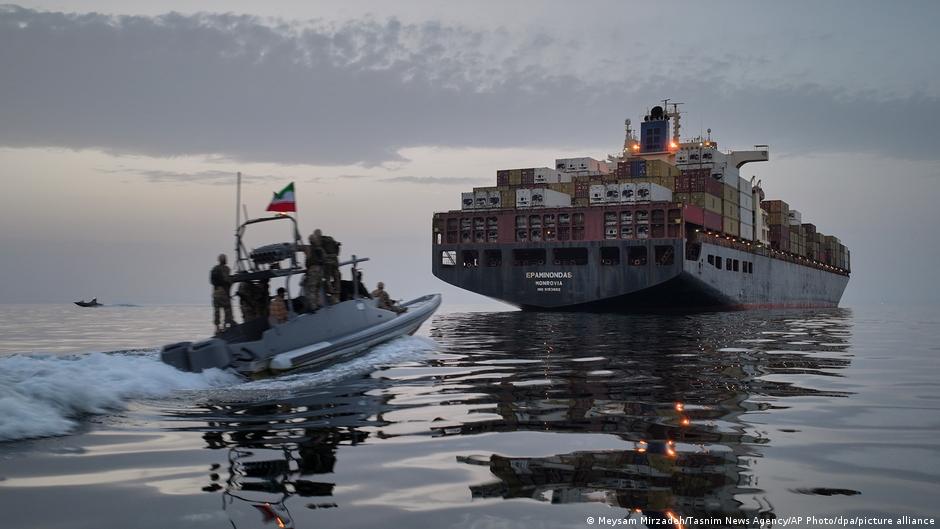
Iran has introduced a new "Vessel Information Declaration" that shipping companies must complete before their tankers can transit the Strait of Hormuz, a critical chokepoint for global oil supply. The declaration, drafted by Iran's Persian Gulf Strait Administration (PGSA), consists of over 40 questions requesting detailed data about the ship and its cargo.
Detailed Vessel Data Required for Strait Transit
The declaration demands information such as the vessel's name, unique identification number, former names, flag state, and destination port. Additionally, operators must disclose the nationality of the vessel owners, operators, and crew members. A comprehensive description of the cargo being transported is also mandatory.
All data must be submitted electronically to the PGSA prior to passage through the Strait. The Iranian authorities have emphasized that the submitting entity bears full responsibility for the accuracy and completeness of the information, along with any consequences arising from inaccuracies.
"Responsibility for providing false or incomplete information lies solely with the applicant, who will also bear all resulting consequences," the PGSA email states.
While the document does not explicitly state whether Iran intends to charge fees for passage, previous Iranian officials have considered transit tolls as a potential revenue source to aid post-conflict reconstruction following US and Israeli bombardments. Reports suggest that fees could reach up to $2 million per vessel.
Implications for UK and European Shipping
The Strait of Hormuz is a vital artery for energy supplies to Europe and the UK, with a significant portion of crude oil imports transiting this narrow waterway. The new Iranian requirements could complicate operations for British and European shipping companies, potentially causing delays and increasing administrative burdens.
Moreover, any introduction of transit fees would affect shipping costs and insurance premiums, potentially pushing up fuel prices in European markets. Given the UK's reliance on imported oil and petroleum products, the London market is closely monitoring these developments.
Compounding the situation are US sanctions and restrictions. The US Treasury has clarified that payments made directly or indirectly to the Iranian government or the Islamic Revolutionary Guard Corps (IRGC) for safe passage are prohibited for US persons and entities, including US-controlled foreign organizations. This US stance may further complicate compliance for multinational companies with British or European ties.
Geopolitical Context and Market Reactions
These Iranian measures come amid heightened tensions in the region following the US launch of "Operation Sentinel" on 4 May, which involves American naval escorts for commercial vessels through the Strait. US President Donald Trump has threatened retaliatory action against Iran if American ships are attacked but recently announced a temporary pause in the operation to explore potential agreements with Tehran, prompted by requests from Pakistan and other countries.
The London maritime and commodities markets have responded cautiously. Analysts note that any disruption or increased costs related to Strait transit could reverberate through fuel prices and shipping insurance rates. The sterling has seen minor fluctuations amid the uncertainty, reflecting concerns over potential supply chain impacts on the UK economy.
Trade bodies representing British and European shipping companies are calling for clear guidance and diplomatic efforts to ensure uninterrupted and secure passage through this strategic maritime corridor.
Outlook
As Iran enforces this comprehensive declaration process, UK and European stakeholders face a complex environment balancing commercial interests, geopolitical risks, and regulatory compliance. Ongoing diplomatic engagement and close monitoring of the situation by London-based firms will be crucial to mitigating operational disruptions and safeguarding energy security.