Kyiv Power Cuts Deepen European Energy and Security Concerns
Damage to Ukrainian energy infrastructure has disrupted electricity and water supplies, sharpening risks for Britain and the European Union.
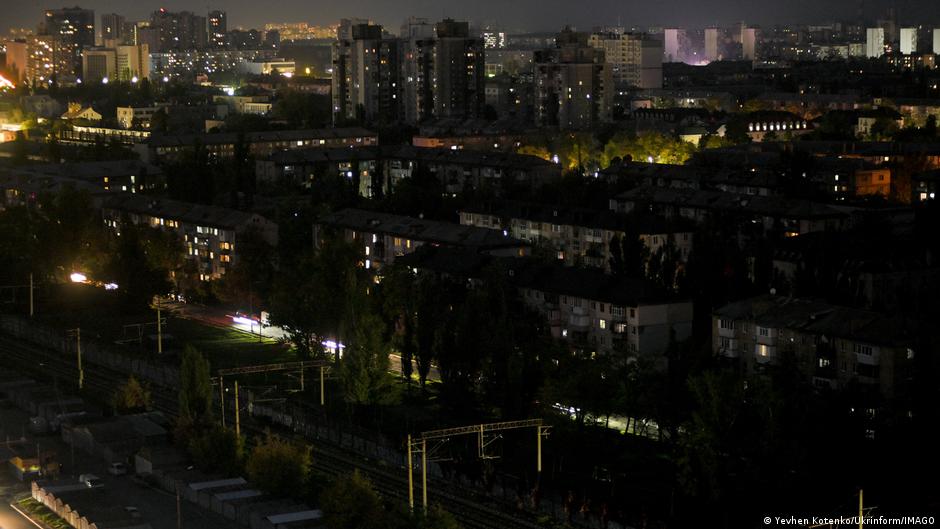
Russian strikes on energy infrastructure in the Kyiv region caused power outages in parts of the Ukrainian capital and surrounding areas, while damage elsewhere disrupted electricity and water supplies in the western region of Volyn.
Ukraine’s Energy Ministry and Kyiv Mayor Vitali Klitschko reported the outages on the evening of Thursday, October 15. Klitschko said damage to energy facilities in the Kyiv region had also reduced water pressure in some districts of the capital.
“As soon as security conditions allow, crews will promptly begin restoring the power supply. Energy workers are doing everything possible to restore electricity as quickly as possible,” the Energy Ministry said.
The disruption renews concerns in Britain and the European Union about the resilience of Ukraine’s critical infrastructure ahead of periods of elevated seasonal energy demand. Kyiv’s ability to keep electricity, heating and water systems operating remains closely tied to European financial assistance, replacement equipment and air-defence support.
For London investors, the immediate significance lies less in a documented direct move in sterling than in the broader risk environment. Renewed pressure on Ukrainian infrastructure can reinforce concerns about European energy security, government defence spending and the economic cost of sustaining Ukraine. The source material provided no specific movement in the pound or London-listed shares following the attacks, but the escalation adds another geopolitical factor for markets to assess.
Volyn infrastructure damaged by drone debris
Russian forces also attacked the Volyn region on the evening of October 15. Debris from intercepted drones damaged power lines, resulting in interruptions to electricity and water supplies in Lutsk, the regional capital, according to Roman Romaniuk, head of the regional military administration.
Romaniuk said three jet-powered drones entered Volyn’s airspace during the evening air alerts and were shot down by air-defence forces. Even when incoming weapons are intercepted, falling debris can damage electricity networks and other civilian infrastructure, complicating restoration work.
Volyn borders Poland, an EU and NATO member that has become a major route for military and humanitarian assistance to Ukraine. Disruption in western Ukraine therefore carries wider European significance, particularly for logistics networks supporting the country and for governments seeking to prevent infrastructure attacks from weakening Ukraine’s economy.
Reported plan targets power, heating and water
The New York Times reported that Russia had prepared an attack plan intended to disable Ukraine’s energy system and cut Kyiv, Kharkiv and Odesa off from electricity, water and heating. The newspaper cited an intercepted Russian plan that Ukraine presented to European officials at the beginning of autumn.
According to the newspaper’s assessment, carrying out the plan would require about 70 ballistic missiles, 720 long-range drones and 150 guided bombs. The reported operation could cause Kyiv, Kharkiv and Odesa to lose about 90% of their electricity-generating capacity, reduce heating supplies by 90%, and severely disrupt water and sewage systems.
The newspaper’s sources said Russia could seek to exploit shortages in Ukraine’s air-defence resources, particularly interceptor missiles used by the Patriot system. That prospect places additional pressure on Ukraine’s partners to balance their own defence inventories against Kyiv’s urgent requirements.
For Britain and EU member states, the reported scale of the threat has budgetary as well as security implications. Protecting Ukraine’s grid requires air-defence ammunition, emergency generation capacity and repairs to damaged networks. Repeated attacks can also raise the cost of reconstruction and increase demands for public funding from European governments.
Implications for Britain and the EU
Britain is geographically separated from continental gas and electricity systems but remains economically exposed to shifts in European energy conditions through trade, interconnectors and wholesale markets. A sustained deterioration in regional security could influence inflation expectations and the outlook for public expenditure, both of which matter for sterling and UK assets.
No direct causal effect on British energy prices, sterling or London equities was established in the source report. Nevertheless, investors typically monitor attacks on major infrastructure for signs of a wider escalation or potential disruption to regional supply routes. Defence companies, energy businesses and utilities may face particularly close scrutiny as governments reassess procurement and resilience requirements.
The latest outages also underscore the civilian consequences of attacks on energy systems. Electricity failures can quickly affect pumping stations, heating networks and sewage services, multiplying the impact beyond the initial damage to power facilities. Ukrainian repair crews were expected to begin restoration work once security conditions permitted.
How quickly supplies return in Kyiv and Lutsk will help indicate the immediate severity of the damage. The larger concern for European policymakers and markets is whether the strikes form part of a sustained campaign capable of overwhelming Ukraine’s air defences and imposing substantially greater reconstruction costs on Kyiv and its Western partners.