Latvia Publishes List of Companies Trading with Russia Amid Ongoing Ukraine Conflict
Latvia reveals names of 170 firms continuing trade with Russia and Belarus, prompting scrutiny in European markets including London.
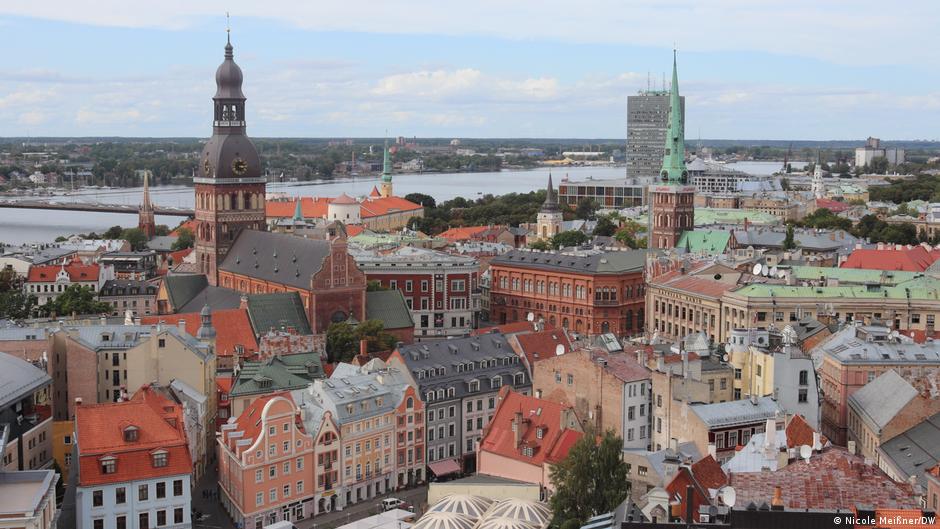
In a unprecedented move, Latvian authorities have published a list of 170 companies that continue to conduct business with Russia and Belarus despite the ongoing war in Ukraine. The announcement, made on August 20 by Latvia's Central Statistical Bureau, highlights firms involved in exporting goods to or importing products from these countries.
The list, which some Latvian media have dubbed the "list of shame," does not implicate companies violating international sanctions. Instead, it includes firms operating in sectors exempt from restrictions, such as food products and pharmaceuticals.
Implications for UK and European Markets
This transparency measure aligns with Latvia's strong support for Ukraine and reflects the Baltic state's ongoing efforts to pressure Russia economically. For British and broader European business communities, the publication could influence perceptions of corporate responsibility and risk in trading relationships involving Russia and Belarus.
"The public availability of this data empowers partners and consumers to make informed decisions about continued cooperation with listed companies," Latvian officials stated.
From a sterling perspective, this development underscores the UK’s and EU’s shared interest in maintaining strict oversight of trade ties with Russia amid geopolitical tensions. London's financial market, sensitive to reputational risks and regulatory changes, may see increased due diligence and cautious engagement with firms linked to Russian trade.
Latvia plans to update the registry monthly, enhancing ongoing scrutiny. This initiative could inspire similar transparency efforts within the EU, reinforcing business standards and ethical considerations in trade.
Since the full-scale Russian invasion of Ukraine, Latvia, a close ally of Kyiv, has implemented various import restrictions on Russian and Belarusian goods. Many Latvian companies have voluntarily scaled back or halted trade with these nations, reflecting broader EU policy trends aimed at isolating Russia economically.
For UK businesses operating across European markets, awareness of such measures is essential. The publication of this list signals increasing regional coordination and the potential for expanded sanctions or reputational challenges for companies maintaining ties with Russia.