Lavrov Rules Out Ukraine Talks Pause as Europe Weighs War Risk
Moscow says it will not halt military pressure for negotiations, sharpening European security concerns and market sensitivity in London.
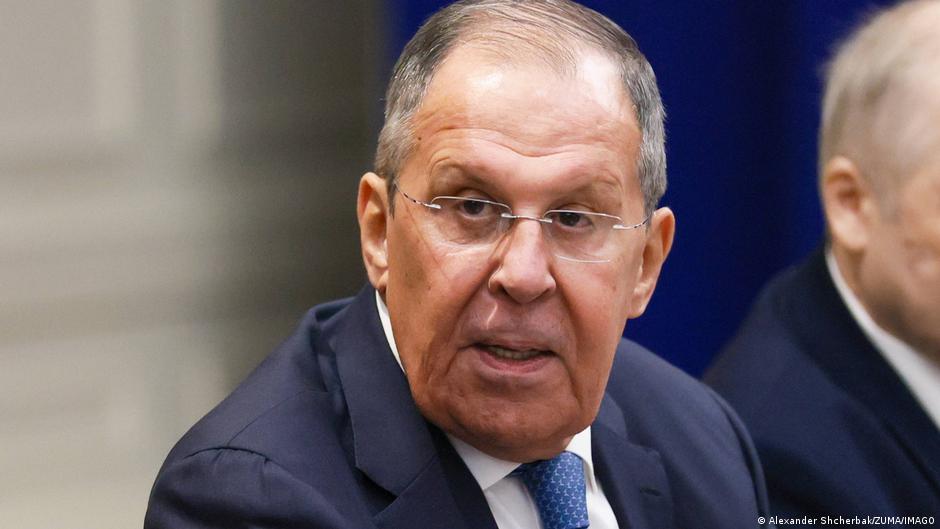
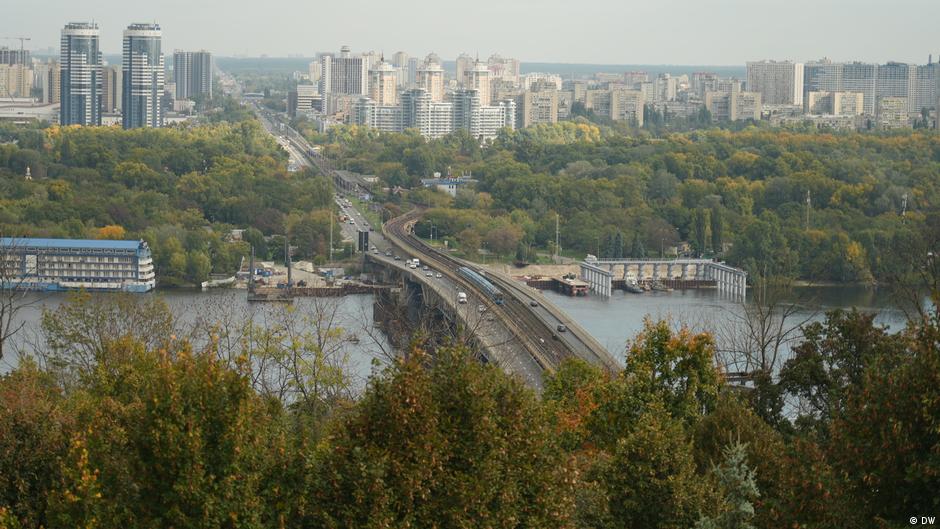
Russia will not agree to any negotiating “pause” with Ukraine, Foreign Minister Sergei Lavrov said in New York on Wednesday, 23 September, even as Moscow continued strikes on Kyiv and signalled that it remained formally open to talks on ending the war.
Lavrov made the remarks during a meeting of the UN Security Council, on the sidelines of the United Nations General Assembly, where Ukraine and its Western backers have been pressing for renewed diplomatic momentum. His comments underline a central concern for European governments and investors: Moscow is presenting negotiations not as a reason to ease military pressure, but as a process that would continue alongside it.
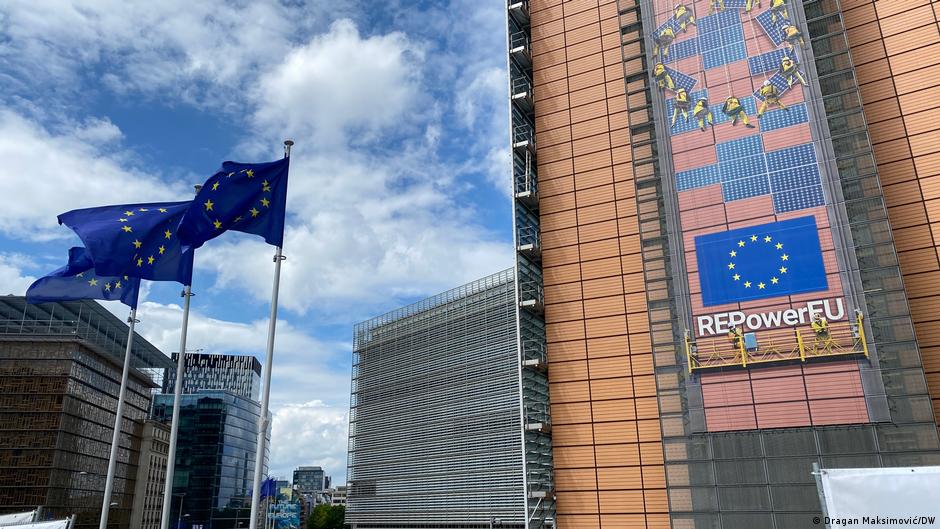
For Britain and the European Union, the message lands at a sensitive moment. The war has already reshaped defence budgets, energy security planning and fiscal assumptions across the continent. Any signal that Russia intends to keep striking Ukraine while rejecting a pause for talks is likely to reinforce expectations of prolonged military spending, continued sanctions pressure and further scrutiny of Europe’s depleted defence stockpiles.
“Although Europe wants exactly this, with the same simple objective of getting a respite and replenishing the exhausted military arsenals of the Kyiv regime,” Lavrov was quoted by Russia’s foreign ministry as saying.
According to Lavrov, Russia is ready for negotiations aimed at achieving what he called a “lasting just peace”. But the insistence that there will be no operational pause sharply limits the immediate diplomatic space. For European capitals, including London, the distinction matters: talks without reduced hostilities would offer little relief for Ukraine’s infrastructure, little certainty for energy and commodity markets, and little reason for investors to price in a near-term reduction in geopolitical risk.
London Watches Diplomacy and Defence Spending
The British business angle is increasingly tied to the question of duration. A longer war keeps defence and security policy near the top of the UK agenda, with implications for government borrowing, industrial procurement and the wider sterling outlook. Currency traders have repeatedly treated the war as part of the broader European risk premium, particularly when strikes on Ukrainian cities raise fears of escalation or disruption to regional energy supply.
London-listed defence and aerospace firms are also exposed to the political consequences of such statements. Lavrov’s claim that Europe wants a pause to replenish Ukrainian arsenals will be read in European capitals as an acknowledgement of the pressure on weapons supplies, rather than a reason to slow support. The UK and EU have both faced the challenge of sustaining Ukraine while rebuilding their own inventories, a process that affects manufacturers, supply chains and public budgets.
For the City, the immediate market reaction to such diplomacy is usually filtered through several channels: sterling sentiment, gilt market expectations, defence equities, energy prices and broader risk appetite. The source report did not provide market pricing or trading data, but the political message is clear enough to matter for investors assessing whether the conflict is moving toward containment or becoming further entrenched.
US Secretary of State Marco Rubio, also attending the UN General Assembly in New York, again said Washington was ready to play a constructive role in achieving a ceasefire. Before Lavrov’s speech, the Russian foreign minister met Rubio for talks that lasted about an hour, according to Interfax. It was the fifth meeting between the two countries’ foreign ministers since 2025.
The meeting highlights Washington’s continuing role as the most important outside power in any potential settlement, even as Europe carries much of the immediate economic and security exposure. For the UK and EU, US positioning remains crucial: American diplomatic engagement can influence sanctions coordination, military aid flows, and expectations about the length and intensity of the war.
G20 Invitation Adds a Diplomatic Track
Rubio earlier said the United States had invited Russian President Vladimir Putin to take part in a G20 summit scheduled for December in Miami. He framed the invitation as part of the need to engage directly with leaders with whom Washington has disagreements or tensions.
“To solve problems, you need to meet with people with whom you have disagreements or certain friction, so we invited President Putin to the G20 summit,” Rubio said, according to the source text.
Rubio also said the Miami summit could give Putin an opportunity to meet US President Donald Trump and other world leaders. “We hope he will accept this invitation,” he added.
That potential encounter would be watched closely in London, Brussels and other European financial centres. A Trump-Putin meeting at a G20 summit would raise questions over the direction of US diplomacy, the durability of Western unity and the future pace of support for Ukraine. For sterling, the issue is less a single headline than the wider balance of risks: whether diplomacy reduces uncertainty or introduces new doubts about the policy framework behind European security.
Lavrov’s position leaves those questions unresolved. Russia says it is ready for talks, but not for a pause. Washington says it is ready to help seek a ceasefire, while also inviting Putin into a high-profile diplomatic forum. Europe, meanwhile, is being cast by Moscow as seeking breathing space to rearm Ukraine, even as Kyiv remains under attack.
For British and European businesses, that combination points to a familiar but uncomfortable conclusion: the war remains a live macroeconomic risk, not a distant geopolitical backdrop. Defence spending, energy resilience, sanctions enforcement and currency sensitivity are likely to remain part of the operating environment for as long as diplomacy proceeds without any clear easing on the battlefield.