Macron Says Russian Mobilisation Scenario Is Credible, Raising Europe Risk
The French president said Moscow could call up about 300,000 people and warned that Europe may be targeted as Ukraine’s strategic rear.
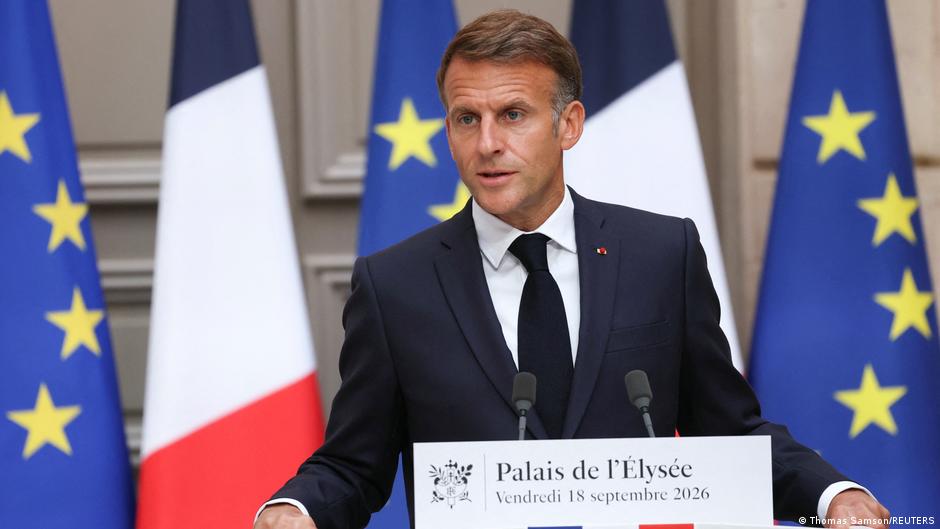
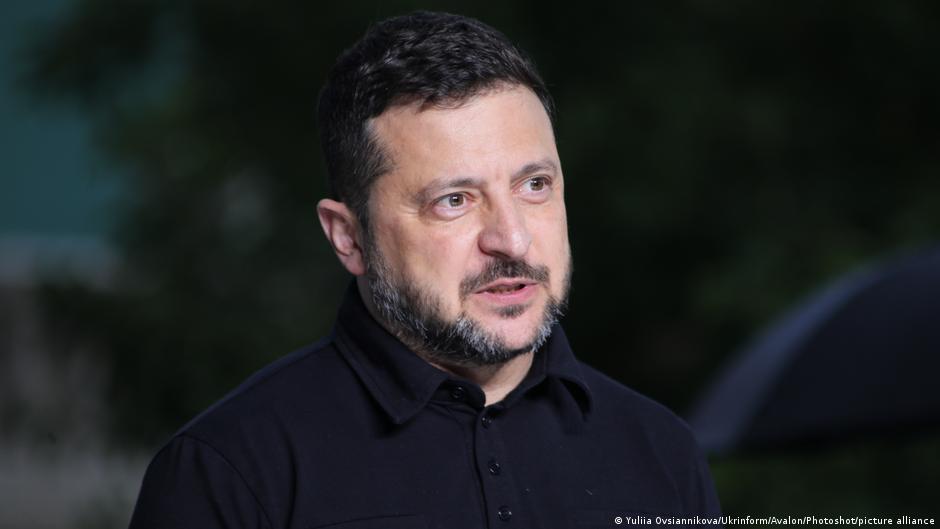
French President Emmanuel Macron has said France regards as credible a scenario in which Moscow could mobilise about 300,000 people, a warning that adds a fresh layer of geopolitical risk for Britain, the European Union and investors watching the pound, energy costs and London-listed defence and infrastructure assets.
Speaking on Thursday, 24 September, on French television channels TF1 and France 2, Macron said Russia had waited for its elections, held from 18 to 20 September for the State Duma, before moving towards what he described as an increasingly clear course of action. He said it remained uncertain whether any mobilisation would be publicly announced or carried out covertly.
“They waited for their elections, the elections have passed, and today it is clear that Russia will do this,” Macron said.
The French leader said there had been “several signs” indicating that Russia was preparing such a step. Referring to intelligence assessments from the United States, Europe and Ukraine, he said: “This is a scenario that seems credible to us.”
For British and European business, the significance lies less in the precise mechanics of any Russian manpower move than in the wider warning attached to it. Macron said hostile activity across Europe had increased in recent weeks and that Russia views the continent as Ukraine’s strategic rear because European governments are helping Kyiv. That framing puts commercial infrastructure, cyber resilience, logistics networks, energy systems and financial markets directly into the risk conversation.
Hybrid Risk Moves Closer to the Market
Macron warned that hostile actions across Europe had intensified. He said he had convened representatives of political forces the previous week to alert them to the development of the threat and to its consequences for France.
According to Macron, Russia considers Europe to be “the strategic rear of Ukraine” because Europeans support Ukrainians, and because Kyiv has been striking oil refineries and other sites in Russia in an effort to force Moscow to end the war. “And therefore Europe may become a target,” he said, noting that attacks are carried out in the information sphere through the spread of falsehoods and in cyberspace.
That message will resonate in the City of London, where geopolitical risk has already become a standing concern for companies exposed to energy, insurance, defence, shipping, payments and critical infrastructure. The article does not report any immediate market moves, and no specific sterling or London stock reaction was cited. Still, Macron’s comments point to the kind of risks that can influence investor positioning: cyberattacks, sabotage, disruption to infrastructure and the possibility of further escalation around Ukraine.
For sterling, the commercial issue is indirect but important. The pound is sensitive to shifts in European growth expectations, energy security and risk appetite, particularly when the UK economy is already exposed to imported energy costs and cross-border supply chains. A more unstable European security environment can affect corporate confidence, financing conditions and the cost of protecting digital and physical assets.
London-listed companies with European operations may also face renewed scrutiny of business continuity planning. Banks, insurers, utilities, telecoms operators, transport groups and energy firms all sit within the broader category of assets that policymakers describe as strategically important. Macron’s remarks underline that governments are no longer treating hybrid threats as isolated security incidents but as part of the operating environment for European economies.
Europe’s Infrastructure Concerns
Macron’s warning follows an earlier statement on 18 September, when the French head of state said the country was preparing a plan to protect critical infrastructure amid the growing threat of hybrid attacks from Russia.
The source article said that, while Russia had previously been accused of interfering in elections and using migrants as an instrument of pressure on Europe, European intelligence services now suspect a Russian trace in acts of sabotage, arson, attacks on critical infrastructure and violations of airspace.
Sources cited in the article said many incidents, particularly cyberattacks and hacks, are not publicly reported. As a result, they said, the scale of Russian hybrid attacks is significantly larger than the public record suggests.
That has direct relevance for the UK and EU business communities. Cyber incidents can affect payments, logistics, manufacturing, healthcare, public services and energy supply. Sabotage or arson risks can raise security costs for companies and governments. Airspace violations can add pressure to aviation, defence planning and insurance pricing. Even when disruptions are not publicly disclosed, they may still impose costs through remediation, downtime, compliance reviews and heightened monitoring.
The European policy response is therefore likely to be watched closely by investors. France’s plan to protect critical infrastructure sits within a broader European effort to harden networks, ports, energy assets, transport links and public communications against disruption. Britain, although outside the EU, remains commercially and strategically tied to the same risk map through NATO, energy markets, financial services and continental supply chains.
Macron’s intervention also lands at a time when European governments are under pressure to sustain support for Ukraine while protecting households and businesses from the economic consequences of the war. If Moscow does move towards a mobilisation of about 300,000 people, as Macron said France considers credible, European leaders may face renewed demands for defence spending, cyber protection and infrastructure resilience.
For London markets, the central point is uncertainty. The source article does not provide a confirmed Russian announcement, nor does it say whether mobilisation would be overt or hidden. But Macron’s remarks signal that Paris is treating the risk as serious, and that European governments see hybrid activity as part of a wider strategic contest. That makes the issue relevant not only to diplomats and defence officials, but to boards, investors and currency traders assessing how the war’s next phase could affect Britain and the continent.