Over 180 Drones Shot Down Near Moscow Amid Large-Scale Nighttime Attack
Moscow authorities report destruction of more than 180 drones targeting the region, causing limited injuries and infrastructure damage.
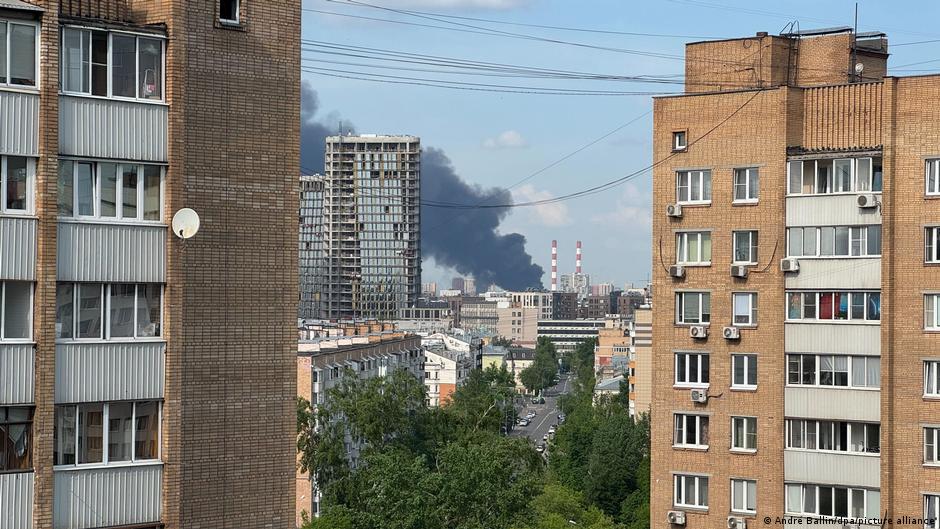
On the night of August 17-18, Moscow and its surrounding region faced a significant drone attack, with over 620 unmanned aerial vehicles (UAVs) reportedly heading towards the area. Moscow Mayor Sergey Sobyanin confirmed in a Telegram post that more than 180 drones were intercepted and destroyed over the Moscow region during this period.
Impact on Local Infrastructure and Safety Concerns
While the specific targets of these drone attacks were not officially detailed, reports from local Telegram channels and regional authorities indicate multiple explosions were heard in towns such as Noginsk, Zheleznodorozhny, Elektrostal, and Pavlovsky Posad. Notably, residential and commercial properties sustained damage.
In the Moscow suburb of Kotelniki, near the Moscow Oil Refinery, the residential complex "Duna" is believed to have been affected. This refinery has been targeted multiple times in recent drone attacks, underscoring its strategic importance.
Injuries were reported in several locations: a 10-year-old girl in Ramensky District suffered a shrapnel wound to her hand; a woman in the Bogorodsky District required medical attention; and a 27-year-old man was injured in Kolomna. Additionally, a trading pavilion near the Globus shopping center in Kolomna caught fire due to falling drone debris, and a Wildberries warehouse in the Bogorodsky District was also struck.
Airspace Disruptions and London Market Implications
Russian aviation authorities imposed temporary restrictions on flight operations at Moscow’s major airports, including Vnukovo, Domodedovo, and Zhukovsky. Although Sheremetyevo Airport experienced some airspace limitations, flights were managed through coordination with relevant regulatory bodies. These disruptions highlight the vulnerability of Moscow’s transport infrastructure to aerial threats and could have knock-on effects on regional logistics and supply chains.
From a UK and European business perspective, these developments reinforce concerns over regional security risks that may influence investor confidence and trading activity. London’s financial markets are closely monitoring the situation, particularly regarding sterling volatility and potential supply chain disruptions involving energy and manufacturing sectors linked to Russian exports.
"The scale of the drone attack and the resulting airspace restrictions underscore the growing security challenges that could affect trade and investment flows between Europe and Russia," commented an industry analyst.
Given Moscow’s strategic role in global energy markets, any escalation in regional instability could prompt shifts in commodity prices and impact European energy security strategies. British companies with exposure to Russian markets or supply chains should remain vigilant as the security situation evolves.
As authorities continue to assess and respond to the attacks, the broader implications for UK-Russia economic relations and European regional stability remain key areas of focus for policymakers and investors alike.