Putin Names Former German Chancellor Schröder as Preferred EU Negotiator in Ukraine Conflict
Moscow signals openness to peace talks with Ukraine, highlighting Schröder as favored EU envoy amid cautious London market reactions.
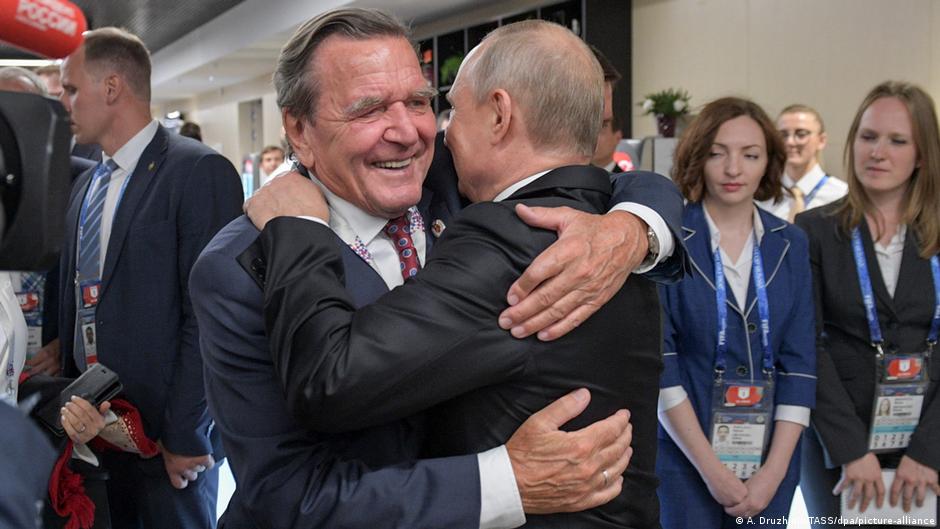
Russian President Vladimir Putin has indicated that the war between Russia and Ukraine is approaching its end and that Moscow is open to negotiations — provided Europe appoints a suitable negotiator. In a press conference held on May 9, Putin named former German Chancellor Gerhard Schröder as his preferred candidate from the European Union for talks to end the conflict.
Implications for UK and European Business Interests
Putin's endorsement of Schröder—known for his close ties to Moscow and past leadership roles in Russian energy ventures—raises significant questions for British and European markets, particularly concerning energy security and diplomatic channels. Schröder, who served as Germany’s Chancellor from 1998 to 2005, has been a vocal proponent of maintaining strong ties with Russia, including supporting the controversial Nord Stream gas pipeline projects. His involvement in potential peace talks signals a complex intersection of political and economic interests affecting the EU’s energy landscape.
Markets in London responded cautiously to these developments. Sterling movements reflect ongoing concerns about energy price volatility and the geopolitical stability of the continent. The UK's position outside the EU means it is monitoring these negotiations closely, balancing its support for Ukraine with broader economic and security interests tied to European stability.
"For me personally, the former German Chancellor Mr. Schröder is preferable," Putin said when asked about potential Western European politicians suitable for dialogue.
While Russia positions itself as open to dialogue, Putin emphasized that Europe must select a negotiator who does not make disparaging remarks about Russia. This comes despite a history of inflammatory rhetoric from the Kremlin, including Putin's past insults directed at European leaders and countries.
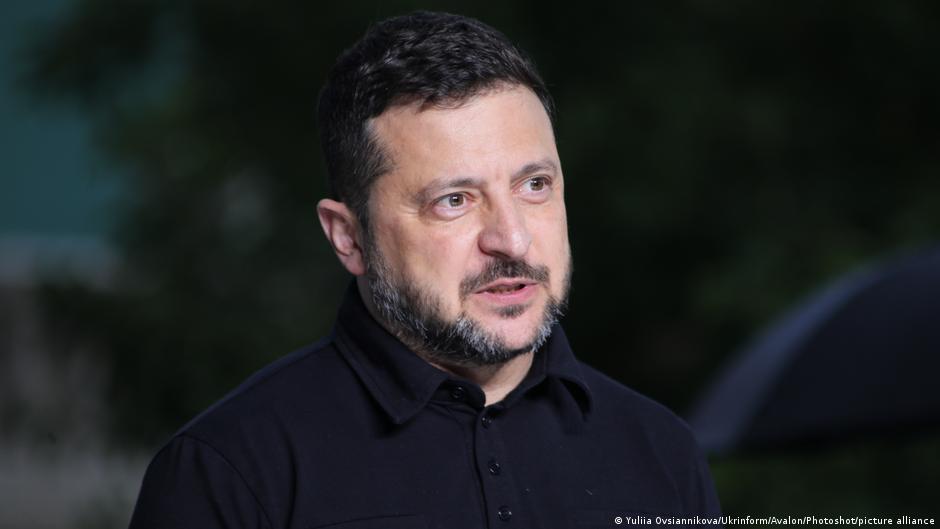
Putin also reaffirmed his willingness to meet Ukrainian President Volodymyr Zelensky in a neutral third country once "final agreements" are reached that ensure a long-lasting resolution. However, official negotiations between Russia and Ukraine remain suspended, with Moscow's Foreign Minister Sergey Lavrov confirming in April that no talks were ongoing.
According to Putin, Slovak Prime Minister Robert Fico, during a recent meeting in Moscow, conveyed Zelensky's readiness for a leaders-level meeting. Putin reiterated that Russia has never refused such a meeting and invited Zelensky to come to Moscow.
Nevertheless, Kyiv has repeatedly dismissed invitations to meet on Russian or Belarusian soil as insincere.
Schröder’s Role and Western Reactions
Gerhard Schröder’s mention as a preferred EU interlocutor is notable given his long-standing ties to Russia's energy sector and his criticism of the West’s approach toward Moscow. In January 2026, Schröder criticized the "demonization" of Russia and advocated for the resumption of Russian energy supplies, reflecting a stance that complicates the European Union’s united front on sanctions and support for Ukraine.
Meanwhile, previous reports have highlighted Russian efforts to influence peace negotiations through alternative channels. Notably, in December 2025, The Wall Street Journal revealed that Putin personally lobbied for Steve Witkoff, a businessman rather than a career diplomat, as a US negotiator, preferring less formal arrangements that sidestep traditional security protocols.
The UK and EU face a delicate balancing act: supporting Ukraine's sovereignty and territorial integrity while managing critical energy dependencies and seeking a viable diplomatic resolution. As Moscow signals a willingness to engage in talks, the involvement of figures like Schröder underscores the intertwined nature of business interests and geopolitical strategy in the ongoing conflict.