Qatar Denies Detaining Iranian Pilots Amid Middle East Conflict Tensions
Doha refutes Tehran’s claims of holding three Iranian pilots, emphasizing diplomatic efforts amid regional instability.
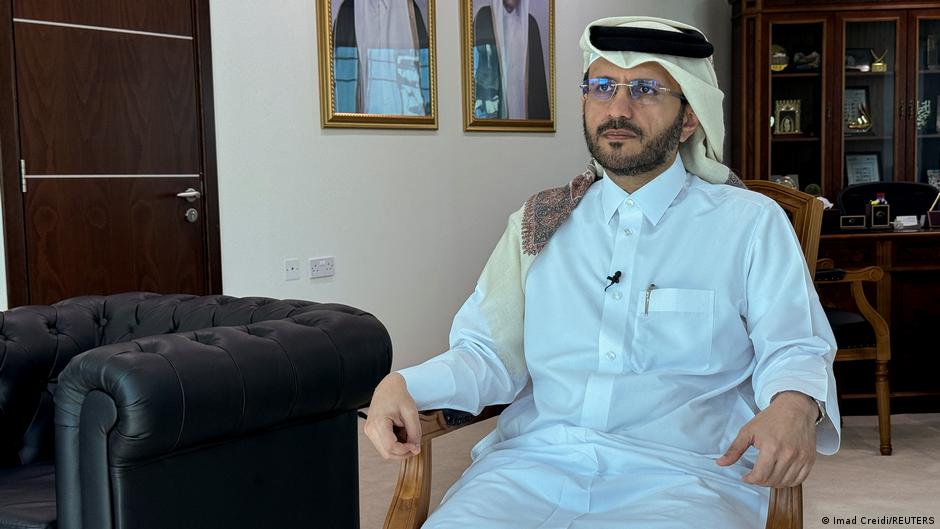
Qatar has firmly denied allegations that it is detaining three Iranian pilots following their alleged airspace violation earlier in the ongoing Middle East conflict. The Qatari Foreign Ministry representative Majid bin Mohammed al-Ansari expressed surprise at these misleading claims, highlighting the timing amid active diplomatic initiatives aimed at de-escalating tensions in the region.
Impact on Regional Stability and International Relations
The dispute arises from Tehran's accusations that Doha is holding the pilots captive after their fighter jets reportedly crashed. However, Qatar maintains that it established contact with the pilots after they breached Qatari airspace and that it has acted in accordance with international law to defend its sovereignty. It further states that search and rescue teams were deployed to recover remains and that Qatar is coordinating with Iranian authorities to return one pilot's remains.
"Qatar is surprised by these misleading statements at a time when diplomatic efforts to reduce tensions are underway," Majid bin Mohammed al-Ansari noted.
In April, Qatar extended an invitation to an Iranian delegation to review search and rescue operations' details, but the invitation remains unanswered, underscoring ongoing communication challenges between the two nations.
Tehran had previously reported one pilot killed and two missing but only recently claimed the three were taken captive, demanding their release via a letter to the International Committee of the Red Cross.
The recent claims have further complicated an already volatile geopolitical landscape, marked by earlier Qatari military statements confirming the downing of two Iranian Su-24 bombers and interception of ballistic missile and drone attacks.
For British and European interests, stability in the Gulf region is critical. The Strait of Hormuz remains a vital artery for global oil supplies, with London-based financial markets closely monitoring developments that could affect sterling and European energy security.
Following the June framework agreement between the US and Iran to cease hostilities and lift blockades, recent flare-ups—including drone attacks and US military responses—highlight the fragility of peace efforts. Qatar itself has faced attacks compromising its security and maritime traffic.
These tensions have reverberated in London’s financial markets, where investors remain wary of disruptions to oil supply routes and potential escalations that could impact European energy prices and sterling exchange rates.
With Qatar insisting on legal and diplomatic channels, European policymakers and UK business sectors watch closely for progress that might stabilize the region, safeguard energy flows, and support global trade continuity.