Rise in Drone Sightings Near German Military Sites Raises Security Concerns in Europe
Increased drone activity near Bundeswehr bases highlights evolving hybrid threats affecting UK and European security interests.
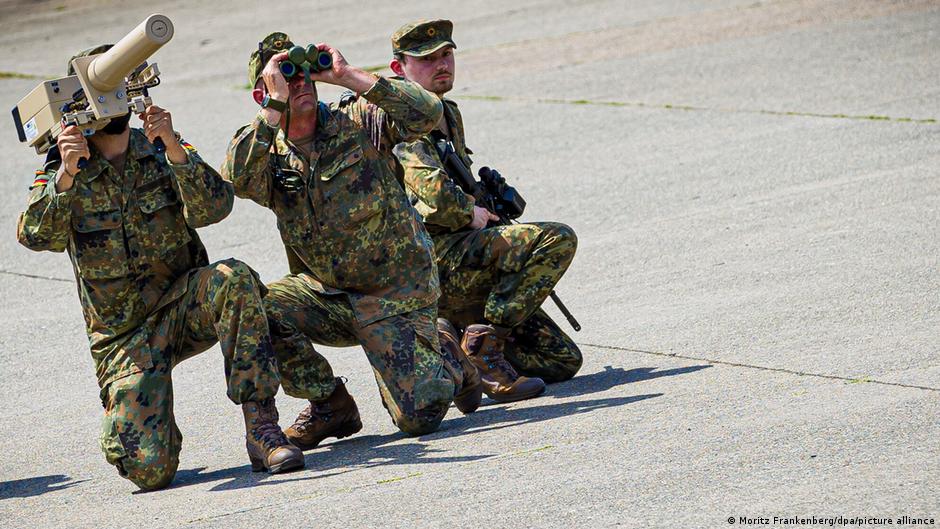
Recent years have seen a marked increase in the number of drones detected near German Bundeswehr military facilities, reflecting heightened security concerns amid ongoing geopolitical tensions in Europe. Military authorities have reported hundreds of drone sightings, underscoring evolving hybrid threats that pose challenges not only to Germany but also to broader European stability and interests, including those of the UK.
Drone Activity and Its Implications for European Security
According to a spokesperson for the Bundeswehr Operational Command, the surge in drone incursions near military sites has become notable since the onset of Russia's full-scale invasion of Ukraine. Hundreds of potential drone flights have been recorded over Bundeswehr locations in recent years, with incidents ranging from single unmanned aerial vehicles (UAVs) to swarms.
“The security landscape in Germany and across Europe has fundamentally changed, with hybrid threats such as disinformation, cyberattacks, espionage, and sabotage now a daily reality,” the spokesperson stated.
This shift in threat dynamics bears direct relevance to the UK and EU, as the stability of European defense infrastructure is crucial to shared security frameworks and the integrity of transnational supply chains. The rise in drone activity near military installations could potentially disrupt defence readiness and complicate the operational environment for allied forces.
Specific Incidents and Responses
Last week, two drones were detected over a significant military base in Mechernich, located in the North Rhine-Westphalia region. The local police have launched an investigation into this breach, reflecting the urgency with which German authorities are addressing the drone threat.
Perhaps more alarming was the incident at Leipzig Airport on August 5, where a drone armed with explosives collided with a Ukrainian cargo plane. The explosives did not detonate for reasons still under investigation by Germany's Federal Prosecutor. This event has raised serious questions about airspace security and the protection of transport hubs critical to European logistics and military support.
Technological Innovation in Counter-Drone Measures
In response to these challenges, Germany is investing in advanced counter-drone technologies. Interior Minister Alexander Dobrindt announced plans to establish a new technology centre at the German Aerospace Center (DLR) test airfield in Saxony-Anhalt. This centre will focus on research, development, and testing of counter-UAV systems, a move likely to influence European and UK defence technology collaborations.
Such initiatives underline the importance of strengthening airspace security not only within Germany but across Europe, including the UK, which maintains close intelligence and military cooperation with Germany. The emergence of sophisticated drone threats necessitates coordinated responses to safeguard critical infrastructure and maintain regional security stability.
As drone technology becomes increasingly accessible and potentially weaponisable, the UK and EU markets—including London's financial and defence sectors—are expected to observe heightened demand for security technologies. The evolving threat landscape may also impact sterling through increased defence spending and innovation investments.