Russia Declares US-Based Human Rights Foundation ‘Undesirable,’ Impacting UK-EU Relations
Moscow’s move against the Human Rights Foundation, led by Yulia Navalnaya, heightens geopolitical tensions affecting London and European markets.
On August 6, 2024, Russia’s General Prosecutor declared the American non-profit organization Human Rights Foundation (HRF) "undesirable" within the Russian Federation. The decision marks a significant escalation in Moscow’s crackdown on foreign organizations promoting democratic values and has implications for UK and European business interests, particularly in the context of sanctions and diplomatic relations.
Russian Government Targets Human Rights Advocacy
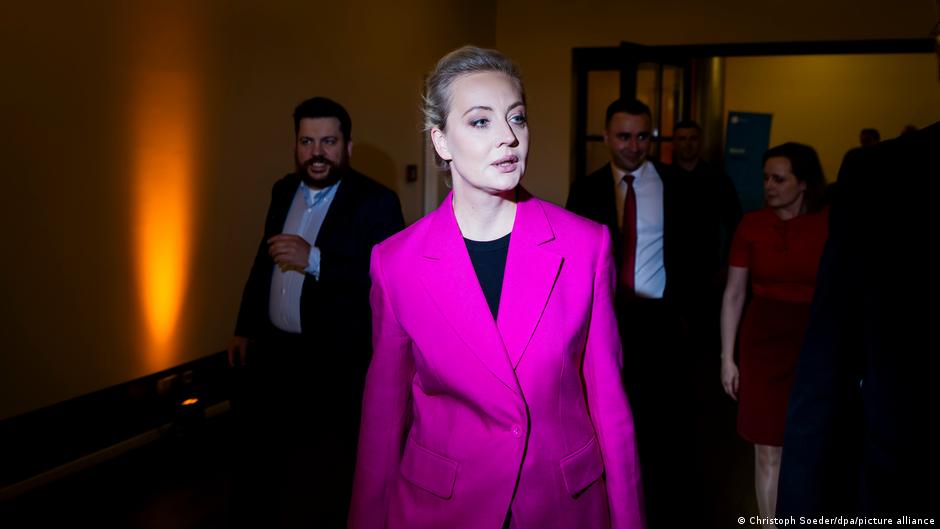
Founded in 2005, the Human Rights Foundation is dedicated to promoting and protecting human rights worldwide. In 2024, Yulia Navalnaya, daughter of prominent opposition leader Alexei Navalny, was appointed chairperson, succeeding former world chess champion and political activist Garry Kasparov.
The Russian prosecutor’s office cited the HRF’s launch of the Tyranny Tracker project—an interactive map highlighting countries’ commitment to democratic values—as a key provocation. On this map, Russia is classified as a fully authoritarian state, a designation Moscow finds unacceptable.
"The foundation disseminates information that discredits the Russian army and supports other organizations already deemed undesirable in Russia," the prosecutor’s statement noted.
This designation prohibits the HRF from conducting any activities in Russia and may lead to increased restrictions on associated individuals and entities.
Consequences for UK and EU Business and Financial Markets
The move comes amid ongoing tension between Russia and Western governments, including the UK and the European Union, over human rights and political freedoms. London, as a global financial hub, is closely monitoring the evolving situation.
Analysts suggest that Moscow’s hardline stance against NGOs with Western ties could complicate compliance for British businesses operating in or with Russia, particularly in sectors where corporate social responsibility and human rights due diligence are increasingly scrutinised.
Moreover, the designation may influence sterling exchange rates and investor confidence, as geopolitical risks tend to affect market stability. European businesses with supply chains or partnerships linked to Russia might also reassess exposure due to the growing strain on diplomatic ties.
Financial institutions and multinational companies headquartered in the UK and EU are advised to review their risk assessments in light of Russia’s expanding list of banned foreign organizations.
Broader Geopolitical Implications
The HRF’s leadership under Yulia Navalnaya symbolizes a direct connection to Russia’s domestic opposition, which Moscow perceives as a threat to its governance. This latest designation is therefore not merely an administrative act but a political message underscoring the Kremlin’s intolerance of dissent and Western influence.
The UK government and European institutions have yet to issue detailed responses, but the move is expected to factor into upcoming discussions on Russia’s international standing and sanctions policy.