Russian Air Strikes on Kramatorsk Raise Concerns for UK and EU Market Stability
Russian attacks on Kramatorsk cause civilian casualties amid ongoing conflict, impacting UK and European economic and security interests.
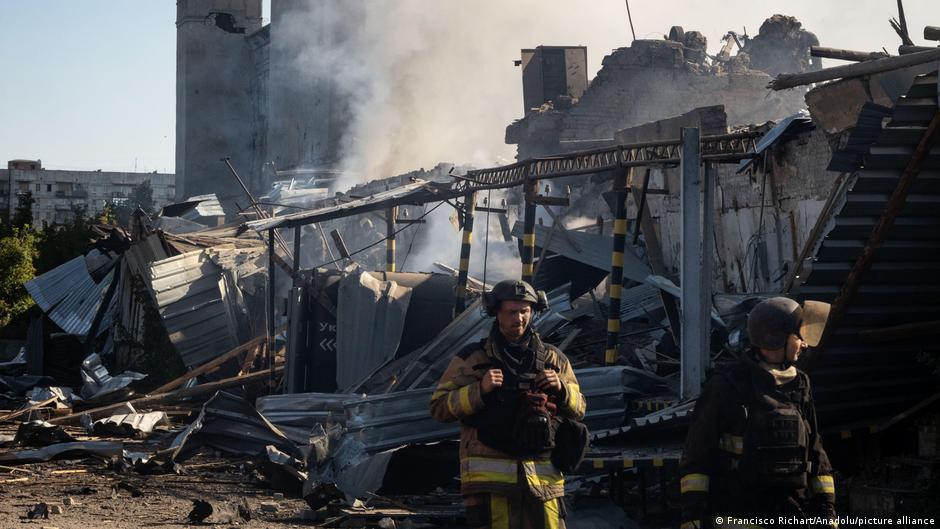
On the evening of August 13, Russian military forces launched a series of air strikes against the eastern Ukrainian city of Kramatorsk and the nearby settlement of Belenkoye in the Donetsk region. The attacks reportedly involved aerial bombs and resulted in at least one fatality and 15 injuries, according to local Ukrainian administration sources.
Impact on Civilian Infrastructure and Regional Stability
The Russian strikes occurred between 20:30 and 20:56 local time, hitting residential areas in Kramatorsk and Belenkoye. Damage to a multi-storey apartment building has been confirmed, with parts of a nine-storey structure collapsing and fires ignited. Emergency services have indicated the possibility of people trapped under the rubble.
"In Kramatorsk, impacts were recorded in residential zones - a multi-apartment building was damaged," stated Vadim Filashkin, head of the regional military administration.
Kramatorsk, a frontline city in the ongoing conflict, has frequently been targeted by Russian aerial bombardments. Notably, on July 31 alone, four aerial bombs were dropped on the city, resulting in one death and 11 injuries, according to Ukrainian emergency services. The scale of fires that day covered approximately 685 square meters.
These attacks raise ongoing security concerns for the UK and European Union, whose economic interests are tied to the stability of the region. The conflict’s unpredictability has previously influenced market sentiment in London and across European financial centers, contributing to volatility in sterling and broader European currencies.
Recent escalations contribute to investor uncertainty, affecting energy markets and prompting caution among business leaders monitoring supply chain disruptions. The UK’s strategic interest in supporting Ukraine’s sovereignty underscores the importance of monitoring such developments, as continued hostilities threaten to destabilize the region further.
London’s financial markets remain attentive to geopolitical risks emanating from Eastern Europe, with analysts noting that renewed violence can intensify inflationary pressures due to energy supply concerns and impact investor confidence.
In summary, the August 13 Russian air strikes on Kramatorsk underscore the fragile security situation in Eastern Ukraine and its broader repercussions for UK and EU economic stability and market dynamics.