Russian Attacks in Ukraine Result in Civilian Casualties Amid Ongoing Conflict
Russian military strikes in Ukraine’s Dnipropetrovsk and Kharkiv regions kill at least four, raising concerns for UK and EU regional stability and market impacts.
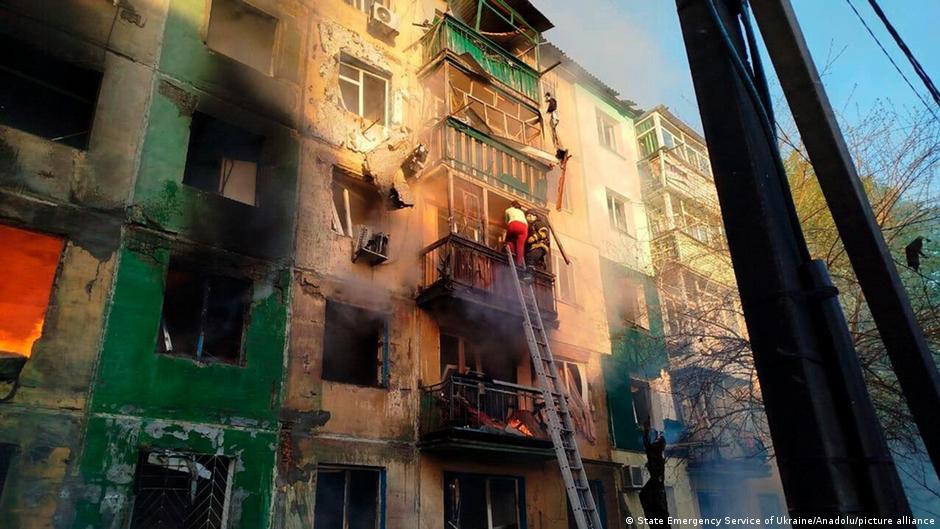
Russian forces launched multiple attacks across eastern and northern Ukraine on August 8, resulting in at least four civilian deaths and significant damage to infrastructure. The continuing hostilities add to regional instability, with potential repercussions for British and European economic interests, including sterling markets and London-based businesses with exposure to Eastern Europe.
Impact of Russian Strikes on Ukraine and UK-EU Interests
Local Ukrainian authorities reported that two people were killed and two wounded in Dnipropetrovsk region alone. The area faced more than 40 attacks employing drones, artillery, and aerial bombs. Public facilities including a clinic, administrative buildings, shops, private homes, as well as buses and trucks, were damaged.
"More than 40 attacks hit four districts, causing widespread damage and civilian casualties," stated Alexander Ganja, head of the Dnipropetrovsk regional military administration.
In Pavlograd city, nine people sustained injuries, including four children aged between three months and six years. While most received immediate medical attention, some adults remain hospitalized, including a woman in critical condition. These attacks disrupt daily life and contribute to economic uncertainty in the region, affecting supply chains and investor confidence.
Further east, Kharkiv region also suffered casualties from Russian drone and bomb strikes. A 68-year-old man was killed by a drone strike in Kupyansk district, while a 51-year-old man died in Vasylivka village due to another drone attack. Additional damage was inflicted on a city cemetery and gas infrastructure in Kharkiv city, although no injuries were reported there.
Izium town saw five people wounded from a Russian guided bomb, with damage to multiple apartment blocks and vehicles. The injured range from teenagers to elderly residents.
In Sumy region, a train locomotive on the Sumy-Kyiv route was targeted by Russian drones. Thanks to prompt evacuation by Ukrainian rail operators, no casualties occurred, although one carriage was damaged. Emergency services faced challenges extinguishing fires due to ongoing attack threats, highlighting risks to critical transport infrastructure that British and European businesses rely on for trade and logistics.
London Market and Sterling Sensitivity
These continuing military escalations near key Ukrainian economic hubs have triggered concerns among investors in London and across Europe. The sterling exchange rate has experienced volatility in response to geopolitical tensions, reflecting worries about broader economic impacts and potential disruptions to energy supplies and commodity markets.
Financial analysts note that extended conflict could affect European energy security, given the region's dependency on Ukrainian transit routes for gas supplies. London-based companies with operations or supply chains in Eastern Europe are closely monitoring developments, aware of the potential for increased risk premiums and market instability.
UK government officials have reiterated support for Ukraine's sovereignty, signalling continued sanctions on Russia and potential new measures should attacks intensify. For British businesses, the evolving situation underscores the importance of strategic risk assessment and contingency planning in a volatile geopolitical environment.
As Russian attacks persist into the night of August 9 from eastern and northern directions, uncertainty remains high. The humanitarian toll combined with infrastructure damage continues to weigh on regional economies, with ripple effects felt in UK and European trade, investment, and currency markets.