Russian Authorities Detain Around 100 at Festival Near Finland Border Over Pro-Ukraine Songs
Russian police raid informal music festival near Vyborg citing pro-Ukraine songs and regime change calls, raising concerns in European markets.
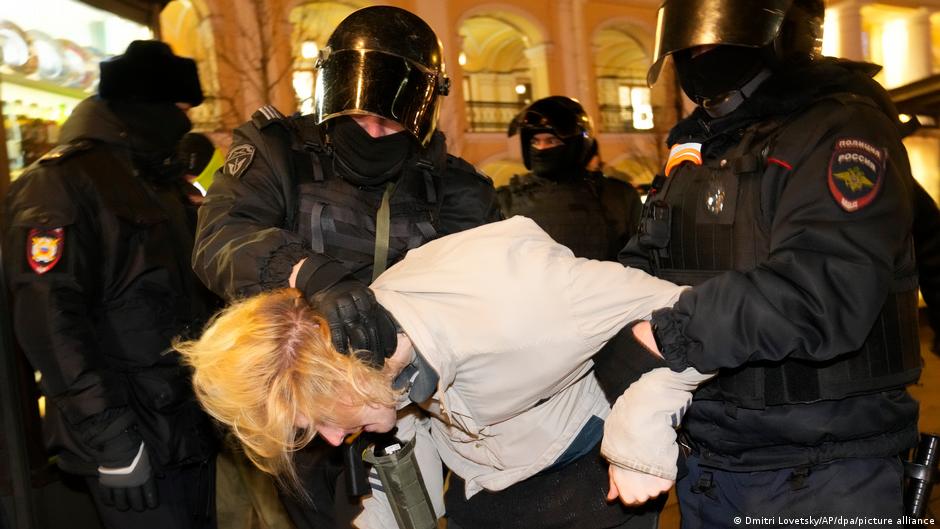
Russian security forces conducted a large-scale raid on an informal music festival in the forest near Vyborg, close to the Finnish border, detaining approximately 100 attendees. The authorities accused participants of performing songs supporting Ukraine and calling for regime change in Russia, actions that have stirred unease within UK and European business circles due to potential repercussions on market stability and sterling movements.
Festival Raid and Allegations
The operation took place on August 22nd, with police and special forces surrounding the wooded area where the festival was held. State news agencies reported that the event was labeled as "left-radical," and the security personnel confiscated drones used by participants for filming. Posters displaying Ukrainian symbols were reportedly found near the improvised stage, further underpinning the grounds for the crackdown.
"Participants were detained under allegations of singing pro-Ukraine songs and making calls for the change of Russia’s regime," stated official sources.
Authorities also cited "massive drug use" as a rationale for the intervention, compelling some detainees to confess to drug consumption on camera. The festival, which has reportedly taken place since 2023 under strict secrecy, is known among insiders as "Unhealthy Lifestyle" ("Нездоровый образ жизни"). Organizers reveal the location only about 24 hours before commencement to a select group of attendees.
Implications for the UK and European Markets
The raid near the Russian-Finnish border has attracted attention from British and European investors who monitor regional stability closely. The proximity to the EU frontier and the crackdown on pro-Ukraine sentiments highlight continuing tensions that risk destabilizing cross-border economic relations.
Market analysts in London have noted that such security operations contribute to an atmosphere of uncertainty around Russia's domestic policy direction and its impact on energy supplies and trade routes. The British pound (sterling) showed mild volatility following the news, reflecting investor sensitivity to geopolitical developments in the region.
"This incident underscores the persistent volatility near the EU's eastern borders," commented a London-based market strategist. "Businesses with exposure to Russian markets or supply chains are advised to monitor these developments closely, as they could influence currency and commodity prices."
Furthermore, the use of cultural events as venues for political expression, followed by heavy-handed state responses, may affect investor confidence, particularly in sectors linked to media, technology, and cross-border partnerships.
As Russia continues to tighten control over dissenting voices, European stakeholders remain vigilant about the implications for bilateral relations and economic integration within the region.