Russian Election Chief Supports Voting Ban for Emigrated Citizens Amid Diplomatic Tensions
Ella Pamfilova advocates stripping voting rights from Russians who have emigrated, citing security concerns in 'hostile' countries.
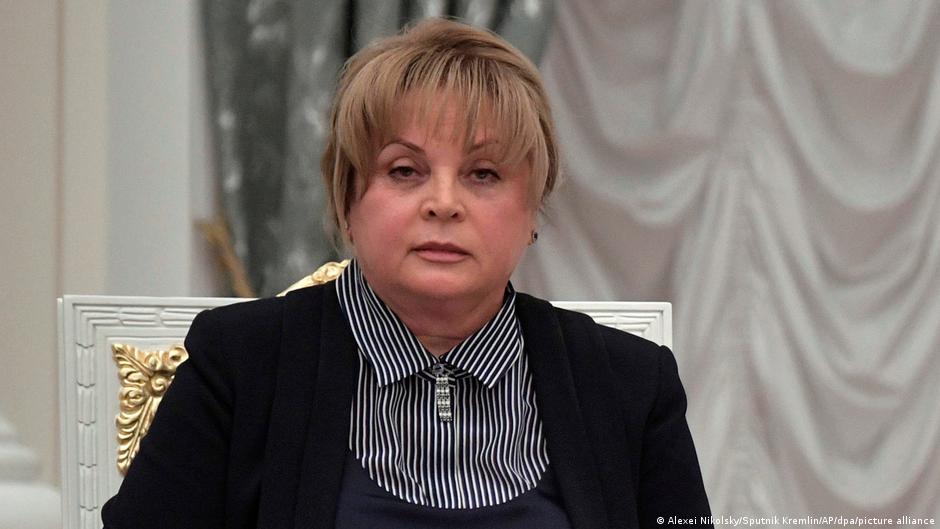
Ella Pamfilova, head of Russia's Central Election Commission (CEC), has publicly endorsed the idea of removing voting rights from Russian citizens who have emigrated. Her remarks come as Moscow navigates complex diplomatic relations with countries it classifies as "unfriendly," many of which are European nations, including several in the EU and the UK.
Implications for Russian Expatriates and International Relations
In a recent interview, Pamfilova made clear her position: "I believe that if someone leaves the country, betrays it, they should be stripped of their voting rights. But this is my personal stance," she stated. She also indicated that the ultimate decision on whether "foreign agents"—a term used in Russia to designate certain individuals and organizations with foreign ties—will be allowed to vote lies with the new State Duma deputies.
Russia has long maintained a registry of "foreign agents" since 2012, which initially targeted non-profits receiving foreign funding, later expanding to include media outlets in 2017 and individuals by 2020. The designation imposes strict reporting requirements, financial restrictions, and operational limitations, effectively curtailing political and civic activities. Many human rights advocates argue that this label serves as an instrument to suppress dissent and civil society.
"We have provided multiple channels to minimize risks," said Pamfilova, emphasizing cooperation with the Foreign Ministry and diplomatic staff in countries deemed hostile to Russia.
Pamfilova also discussed the challenges of organizing voting in countries labeled "unfriendly" by Moscow, which include several European Union member states and the United Kingdom. The CEC has advised Russian embassies in those countries to consult with local authorities regarding election security, reflecting Moscow's concerns about the political activities of emigrated Russians abroad.
These developments have significant implications for the UK's sizeable Russian expatriate community and for European states managing diplomatic relations with Moscow. The potential disenfranchisement of emigrant voters could affect the dynamics of Russian expatriate political participation, which in turn may influence the London financial market and broader UK-EU-Russia economic ties.
Potential Impact on Sterling and London Market Sentiment
The British financial sector, which hosts many Russian business interests and individuals, remains attentive to shifts in Russia's domestic political landscape and its repercussions abroad. Stricter restrictions on Russian citizens living in the UK could exacerbate existing tensions, possibly influencing investment flows and market sentiment around sterling and London’s role as a global financial hub.
Given London's position as a major center for Russian capital and expatriates, the move to curtail voting rights for emigrants might feed concerns about increasing political isolation and regulatory risks. EU countries, too, face similar challenges balancing their diplomatic stance toward Russia with the rights and integrations of Russian nationals residing within their borders.
As Russia’s new State Duma convenes, legislative amendments concerning voting rights and the status of "foreign agents" will likely be a focal point, with ramifications reaching well beyond Moscow's borders.