Russian-Linked Hacker Group Cl0p Claims Breach of 50 Global Firms Including Shell and Philips
Cyberattack by Russian-speaking hacking group Cl0p targets major companies, raising concerns for British and EU corporate security and market stability.
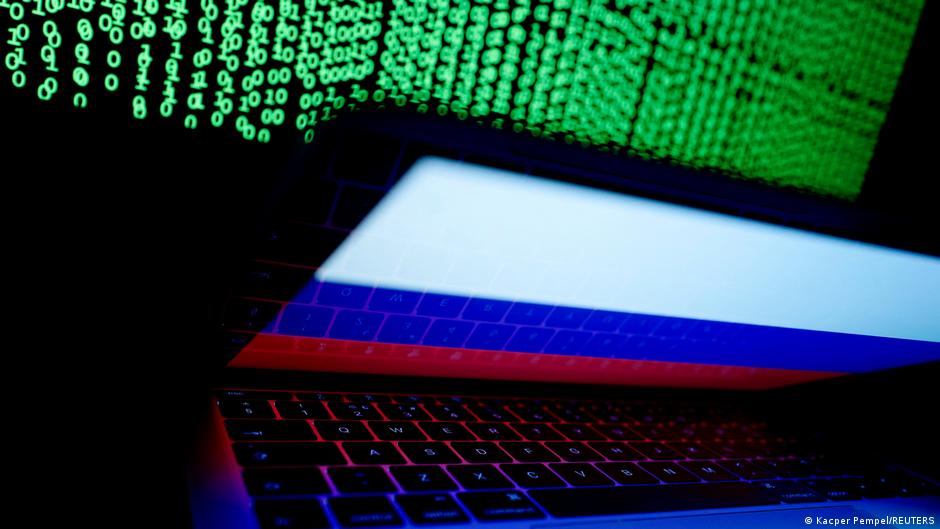
The hacker group known as Cl0p, reportedly linked to Russia, has claimed responsibility for stealing data from nearly 50 major companies worldwide, among them British energy giant Shell, Dutch electronics leader Philips, and American firms Fiserv and General Electric.
Cl0p employs sophisticated software vulnerabilities to launch simultaneous cyberattacks on multiple corporate targets. Their latest announcement, reported in the early hours of August 14, underscores the escalating threat to international business operations and data security.
Impact on UK and European Businesses
Shell, a cornerstone of the British energy sector, acknowledged attempts to infiltrate its corporate servers but emphasized that customer-facing systems and data were unaffected. Philips confirmed detecting and isolating a cyber threat related to internal data, reassuring stakeholders that client environments remained secure.
Fiserv, a US-based fintech provider with extensive client operations in Europe and the UK, stated that thorough investigations found no evidence of compromised customer data, banking transactions, or operational disruptions.
"We have localized the cyber threat attempt and ensured that no client data environments were impacted," said a Philips spokesperson.
While Cl0p’s claims remain unverified independently, the potential exposure of sensitive corporate information has prompted increased vigilance in London’s financial markets and across EU regulatory bodies concerned with cybersecurity resilience.
Broader Context of Russian-Speaking Cyber Threats
Intelligence reports and media investigations have increasingly associated Cl0p with Russian-speaking actors, possibly aligned with Kremlin interests. This follows a string of cyber incidents targeting Western communications platforms and government institutions.
Earlier this year, Dutch intelligence revealed Russian cybercriminal efforts to hack messaging services such as Signal and WhatsApp, aiming to access confidential information from officials and journalists. In spring, warnings surfaced from German and US agencies about breaches of routers in public institutions, linked to Fancy Bear, a group tied to Russian military intelligence.
July saw revelations by The Telegraph regarding Russian hackers penetrating UK government email systems and critical infrastructure firms, with stolen data sold on underground markets.
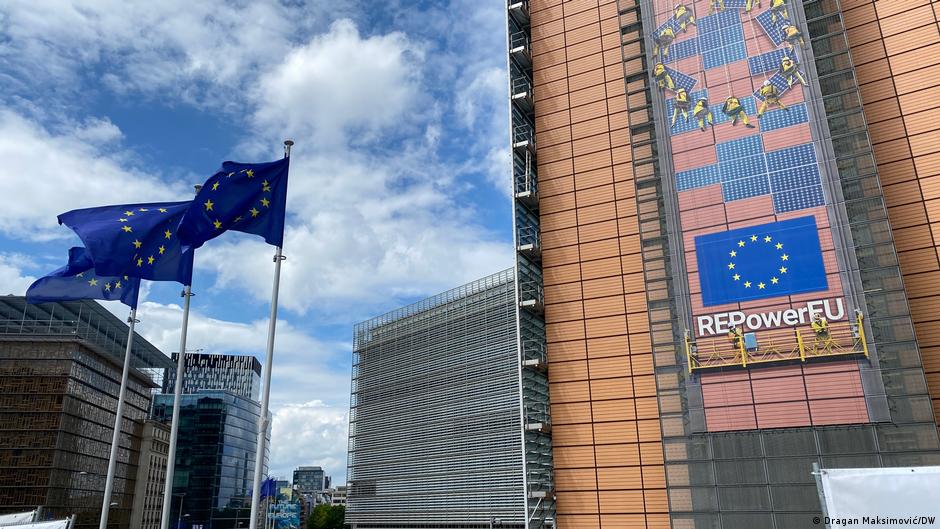
In response to the heightened cyber threat, the European Union and the United Kingdom imposed sanctions on Russian Federal Security Service (FSB)-connected hackers, signaling a coordinated effort to curb disruptive cyber activities targeting European and British interests.
Market and Sterling Implications
The Cl0p breach and ongoing cyber threats have injected uncertainty into the UK and European business climate. Investors in London have reacted cautiously, weighing the risks of increased cybersecurity vulnerabilities against broader economic recovery prospects.
Specifically, sectors such as energy, finance, and technology remain on high alert given their critical roles in the UK and EU economies. Enhanced regulatory scrutiny and calls for investment in cyber defense infrastructure are expected to influence market strategies and sterling stability in the coming months.
Overall, the Cl0p hack exemplifies the complex intersection of geopolitics, cybersecurity, and economic security facing British and European businesses today.