Russian Naval Ships Targeted in Novorossiysk Amid Rising Black Sea Tensions
Ukrainian forces claim significant damage to Russian warships and infrastructure in Novorossiysk, impacting regional security dynamics and London market vigilance.
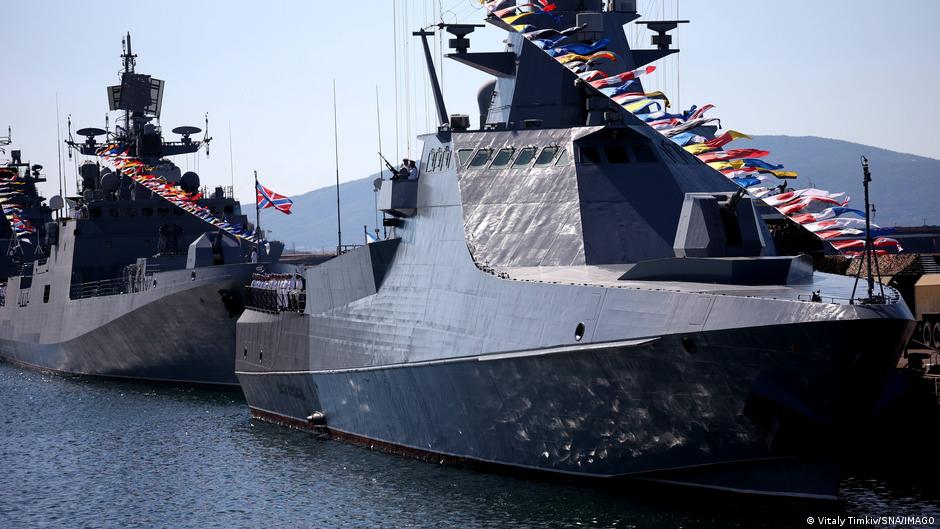
On August 12, the Ukrainian General Staff and Security Service announced a strike against Russian naval vessels in the port city of Novorossiysk, reporting damage to four warships, including two frigates equipped with "Kalibr" cruise missiles: Admiral Essen and Admiral Makarov. The strike marks a significant escalation in maritime confrontations in the Black Sea, a strategic corridor for energy and grain exports critical to both the European Union and the UK.
Impact on Russian Naval Capabilities and Regional Trade
According to Ukrainian sources, the four Russian navy vessels impacted include the two aforementioned frigates, the small missile ship Buyan-M, and the patrol ship Vasiliy Bykov. These ships play a central role in Russia’s Black Sea operations, particularly with the Admiral Essen and Admiral Makarov armed with Kalibr missiles used in strikes on Ukrainian territory.
"Ukrainian drones, rockets, and maritime strike systems accurately targeted critical military and infrastructure assets," said the Ukrainian Security Service.
Targets also included a radar station linked to the S-300 anti-aircraft missile system, the Grushovaya oil depot, and infrastructure servicing three port berths. The oil depot is a key terminus of the Transneft pipeline system, which supplies crude oil to tankers at the nearby Sheskharis terminal, highlighting the broader implications for global energy flows.
Furthermore, reports from Reuters and Vedomosti indicate that the Novorossiysk grain terminal and the Novorossiysk Bread Products Plant (PАО "NKHP") were also damaged, raising concerns about disruptions to the Black Sea grain export corridor. This corridor is vital for European food security and has been closely monitored by London-based commodity markets.
Human and Infrastructure Toll
The governor of Russia's Krasnodar region, Veniamin Kondratiev, reported three fatalities and 24 injuries following the attack. Approximately 60 residential buildings sustained damage in Novorossiysk, with surrounding towns including Gelendzhik, Anapa, and the Temryuk district suffering collateral damage from drone debris. Local officials estimated that hundreds of drones had been launched during the strike.
Notably, the Grushovaya oil depot had previously been targeted and set ablaze in early June, underscoring the sustained pressure on Russian energy infrastructure in the region.
Market and Strategic Implications for the UK and Europe
The attack has prompted cautious responses in London’s financial and commodity markets, where sterling and oil futures have reflected increased volatility. The Black Sea region remains a critical transit route for energy supplies and agricultural exports to Europe, and any disruption risks inflating energy prices and food costs – issues already central to UK and EU economic policy discussions.
Traders and analysts in London are closely monitoring the evolving security situation, as escalations could impact shipping insurance premiums and commodity supply chains. British companies with interests in energy and grain markets are particularly attentive to developments affecting Black Sea ports like Novorossiysk.
In sum, the reported Ukrainian strike on Russian naval assets and infrastructure in Novorossiysk intensifies maritime tensions with broad implications for European energy security, commodity markets, and regional stability. London remains vigilant as these events continue to unfold.