Russian regions revive petrol rationing after renewed attacks on refineries
Kaluga and Zabaykalsky are reinstating fuel curbs as refinery disruption deepens a second wave of Russia’s petrol crisis.
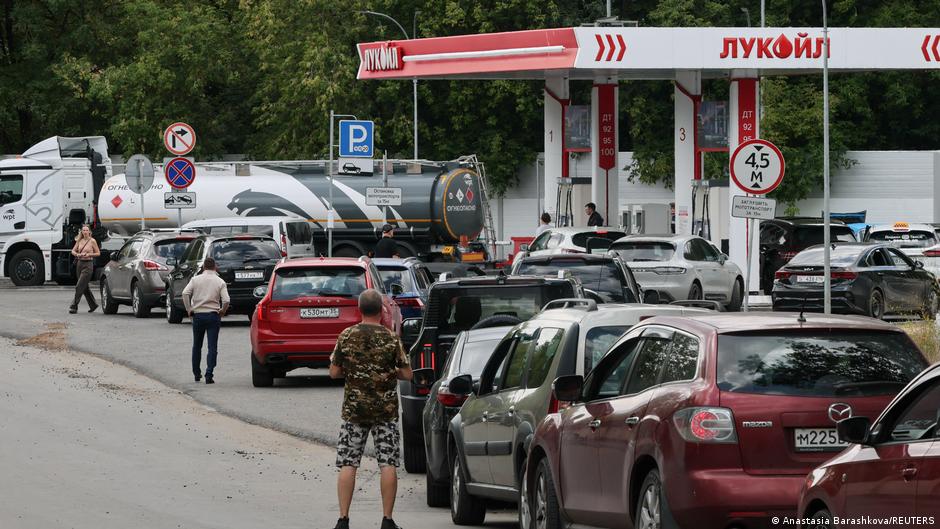
Russian regional authorities are reintroducing limits on petrol sales after intensified Ukrainian attacks on oil refineries disrupted fuel supplies, adding a fresh layer of uncertainty for European energy watchers and London markets already sensitive to shifts in Russian supply chains.
The measures, announced in Kaluga region and Zabaykalsky Krai, point to renewed pressure inside Russia’s domestic fuel system after earlier summer restrictions had been lifted. While the latest curbs apply to motorists inside Russia, the development is relevant for UK and European businesses because refinery outages can affect perceptions of regional energy resilience, sanctions-era logistics, and risk pricing across commodity-linked assets.
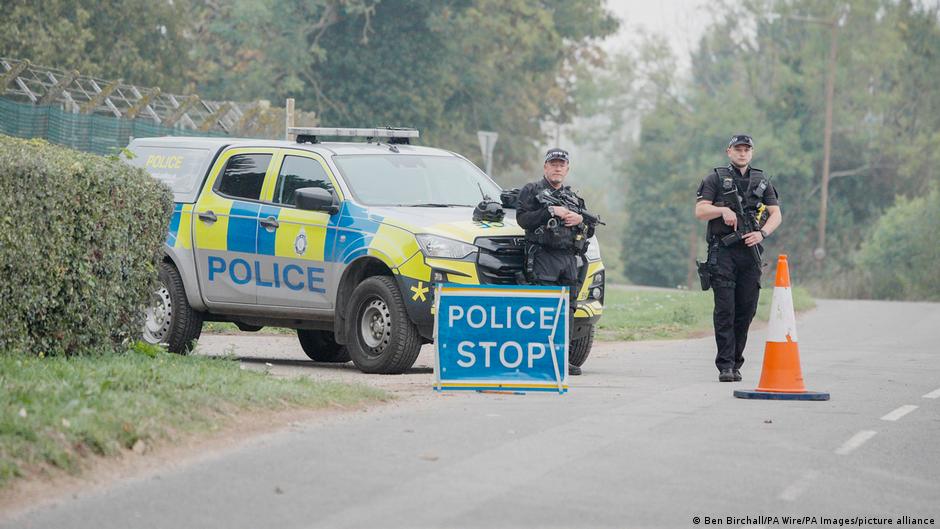
In Kaluga region, which borders Moscow and the Moscow region, restrictions on petrol sales return from 23 September. Governor Vladislav Shapsha said on Tuesday, 22 September, that drivers would again be allowed to refuel according to an odd-even system based on the first digit of a vehicle’s registration number. Petrol may be poured only directly into a vehicle’s tank.
“We are currently recording local logistical disruptions in fuel deliveries to some petrol stations. Queues have returned. This is causing justified dissatisfaction,” Shapsha wrote on his Telegram channel.
Kaluga had already imposed odd-even petrol restrictions on 15 August. Those measures were lifted from 1 September, making the latest move a sign that supply problems have returned after only a brief easing.
Fuel limits return after refinery strikes
The new regional measures come against the backdrop of stepped-up strikes by Ukraine’s Armed Forces on Russian oil refineries. Ukraine has been defending itself for more than four years against Russia’s military invasion, and drone attacks on Russian refinery infrastructure have repeatedly forced plants to reduce output or halt production entirely after strikes and fires.
In Zabaykalsky Krai, the regional operational headquarters also said that from 23 September the BRK and Kors filling station networks would introduce a limit of 15 litres of AI-92 and AI-95 petrol per vehicle. Buyanto Batomunkuyev, the first deputy chairman of the regional government, explained the restrictions by saying that total fuel stocks at filling stations and oil depots stood at 17,000 tonnes and that, at the current rate of release, this would be enough for only 20 days.
Zabaykalsky Krai had introduced similar restrictions in June. They were removed on 23 July, before being brought back in the latest round of limits.
Fuel sales restrictions, introduced either by regional authorities or by filling station chains themselves, were imposed this summer in almost all Russian regions as well as in annexed Crimea. Supply problems became serious enough that Russian President Vladimir Putin on 28 June ordered systemic measures to stabilise the market.
The fuel shortage emerged after Ukrainian drone attacks on Russian refineries. Later, restrictions were lifted in some areas, but from early August attacks on refineries intensified again, and Russia entered what the source described as a second wave of the fuel crisis.
By mid-September, the petrol shortage in Russia had worsened: fuel was unavailable at almost every second filling station, Novaya Gazeta Europe reported, citing data from the gdebenzin service.
Why London and Europe will watch the disruption
For British and European business audiences, the immediate issue is not a direct retail fuel shortage in the UK or EU, but the signal the restrictions send about the strain on Russia’s refining system. Refinery disruption can matter for traders, insurers, shipping firms, banks, and industrial companies exposed to energy volatility, even where direct commercial links with Russia are constrained by sanctions and wartime restrictions.
London market reaction is likely to be shaped by whether investors see the renewed rationing as a local logistics problem or as evidence of more persistent pressure on Russia’s downstream oil capacity. The source article does not provide market prices, sterling moves, or London-listed share reactions, so the direct financial impact cannot be quantified from the information available. Even so, renewed Russian fuel stress is the kind of development that commodity desks and energy-exposed investors in London typically monitor because it can influence expectations for refined-product balances and geopolitical risk premiums.
Sterling’s exposure is also indirect. The pound is generally more sensitive to UK interest-rate expectations, domestic growth data, and global risk appetite than to a single regional petrol shortage inside Russia. But if refinery disruption were to feed broader energy-market volatility, the implications could reach European inflation expectations and central-bank assumptions, including those watched closely by UK businesses managing import costs, hedging programmes, and fuel-linked expenses.
The latest restrictions therefore carry significance beyond the queues at Russian petrol stations. They show that Moscow’s domestic fuel market remains vulnerable to infrastructure disruption despite earlier attempts to stabilise supply, and they underline how the war continues to send signals into European energy risk assessments even when the immediate shortages are contained within Russia.