Russian Strikes on Sumy and Mykolaiv Hit Civilians and Port Infrastructure
The attacks killed civilians in Sumy and Mykolaiv and damaged port facilities, keeping Ukraine’s security risks in focus for UK and EU businesses.
Russian forces struck the Ukrainian cities of Sumy and Mykolaiv on Wednesday, September 9, killing civilians, injuring dozens and damaging infrastructure with direct relevance for European trade and logistics risk assessments.
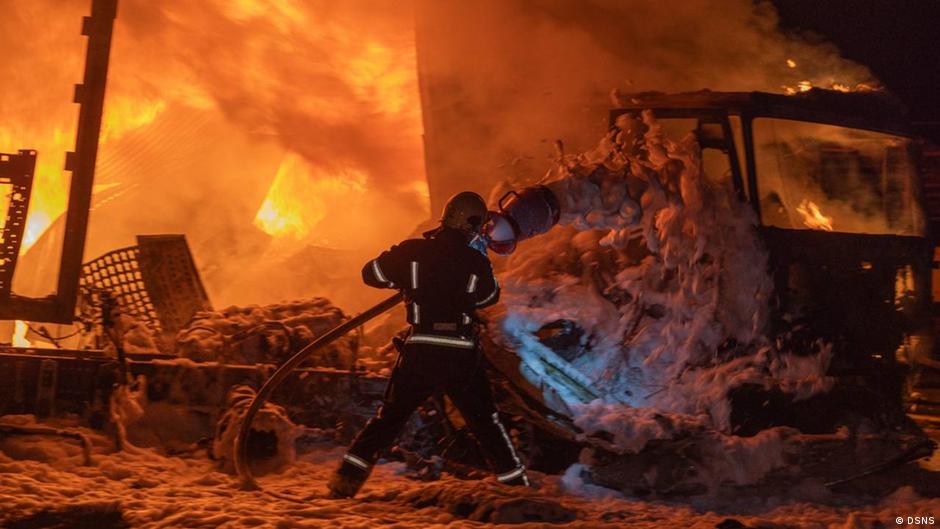
In Sumy, a Russian strike hit a car park near the Manufaktura shopping centre on Wednesday evening. According to Oleh Hryhorov, head of the local regional military administration, two 21-year-olds, a young man and a young woman, were killed. Preliminary information indicated that about 20 other people were injured.
Three of the wounded, two men and one woman, were reported to be in serious condition. Another Sumy resident was described as being in extremely serious condition. Teenagers were among those injured in the strike.
Emergency workers and municipal services were operating at the site after the attack. The Sumy regional military administration said the threat of further strikes in the region remained in place, underlining the continuing danger to civilian areas and commercial sites close to ordinary urban activity.
Officials in Sumy said the region continued to face the threat of repeated attacks after the strike near the shopping centre.
Port Damage Puts Trade Risk Back in View
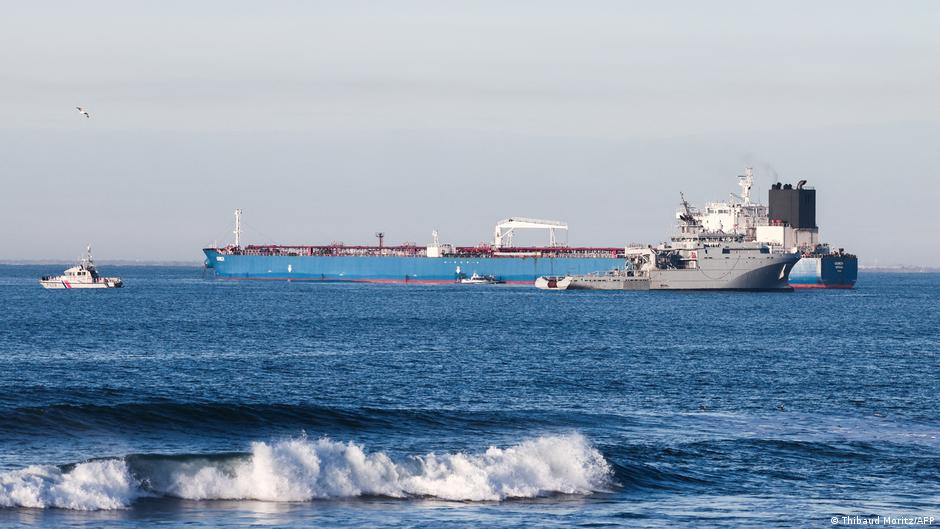
Russian forces also continued strikes on Mykolaiv, a southern Ukrainian city whose port and civilian infrastructure have been repeatedly targeted during the war. The attacks through the day on September 9 damaged port infrastructure, killed two people and injured at least 12 others, according to Heorhii Reshetylov, head of the Mykolaiv regional military administration.
Among those injured in Mykolaiv was a one-year-old child. Ukraine’s State Emergency Service said some of the Russian strikes hit warehouse facilities where vegetables were stored, as well as a post office branch.
The damage to port infrastructure is likely to be closely watched by companies, insurers and commodity traders in London and across the European Union. The source report did not provide details on the scale of disruption to port operations, shipping schedules or export flows. Even so, attacks on Ukrainian port assets remain significant for businesses exposed to Black Sea logistics, agricultural supply chains and war-risk insurance pricing.
For British and European firms, the immediate commercial issue is not only physical damage at one location but the persistence of operational risk across Ukrainian transport corridors. Warehouses storing vegetables point to the vulnerability of agricultural handling and storage, while damage to postal facilities shows how civilian service networks remain exposed alongside ports and homes.
The latest strikes followed a mass overnight Russian attack on the Mykolaiv region in the early hours of September 9. Ukrainian authorities said drones and ballistic missiles damaged port and civilian infrastructure, as well as residential buildings. Officials had reported one woman killed and four people injured in that earlier wave of attacks.
London Focuses on Risk Rather Than Relief
The report did not cite a specific movement in sterling, UK equities or London-listed companies following the attacks. Still, for a UK business audience, the events add to the broader risk picture facing markets already monitoring energy security, food supply routes, defence spending and sanctions policy connected to Russia’s war in Ukraine.
Sterling is typically influenced by a wide mix of factors, including Bank of England policy expectations, inflation data, UK growth indicators and global risk sentiment. The article provides no evidence of a direct pound reaction to the Sumy and Mykolaiv strikes. The relevant point for currency and market participants is therefore contextual: renewed attacks on civilian and port infrastructure reinforce the geopolitical uncertainty that can affect investor appetite and European business planning.
London market attention is also likely to remain on companies with indirect exposure to Ukraine-linked supply chains, shipping insurance and agricultural commodities. The source report does not identify affected companies, cargo volumes or insured losses, so any market interpretation must remain limited to the operational risks described by Ukrainian officials.
The human cost remains central. In Sumy, the victims were two 21-year-olds killed near a shopping centre car park, with around 20 others wounded. In Mykolaiv, two people were killed and at least 12 injured during attacks that damaged port infrastructure, warehouses and a postal facility. Those casualties came after a separate overnight attack on the region that had already left one woman dead and four people wounded.
For the UK and the EU, the strikes are another reminder that the war’s economic consequences are tied closely to civilian security conditions inside Ukraine. Damage to homes, warehouses, postal facilities and ports affects not only local communities but also the reliability of the networks on which trade, aid delivery and reconstruction planning depend.