Russian Strikes on Zaporizhzhia Cause Civilian Casualties Amid Heightened Security Concerns
Five killed and 20 injured in combined Russian missile and aerial bomb attacks on Ukrainian city of Zaporizhzhia.
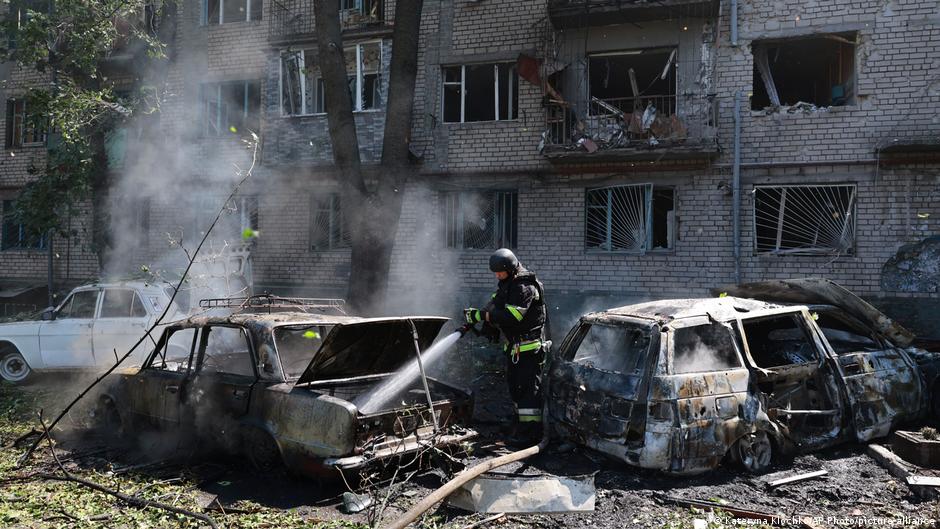
On the night of August 11, Russian Armed Forces launched a combined attack on the Ukrainian city of Zaporizhzhia, resulting in significant civilian casualties and infrastructure damage. The assault involved missile strikes and aerial bombings, which targeted key industrial facilities and residential areas, according to Ivan Fedorov, head of the Zaporizhzhia regional military administration.
Fedorov reported that five people were killed and 20 others wounded in the attacks. The strikes damaged homes, non-residential buildings, and a garage cooperative. The bombardment also caused power outages and fires across the city. Video footage released by Fedorov shows burning structures and vehicles, underscoring the scale of the devastation.
Implications for UK and European Markets
These developments come amid heightened tensions in Eastern Europe, with potential ripple effects on the UK and European economies. London markets, sensitive to geopolitical risks, may experience volatility due to the situation’s impact on energy supplies and investor confidence.
The Zaporizhzhia region is strategically significant as an industrial hub and is proximate to key energy infrastructure. Disruptions here could exacerbate supply chain challenges across Europe, placing upward pressure on energy prices denominated in sterling and the euro. Additionally, increased hostilities raise concerns over regional stability, prompting UK investors and policymakers to monitor the situation closely.
"The attacks on Zaporizhzhia not only inflict tragic human losses but also threaten critical infrastructure essential for European energy security," said an analyst specializing in Eastern European affairs.
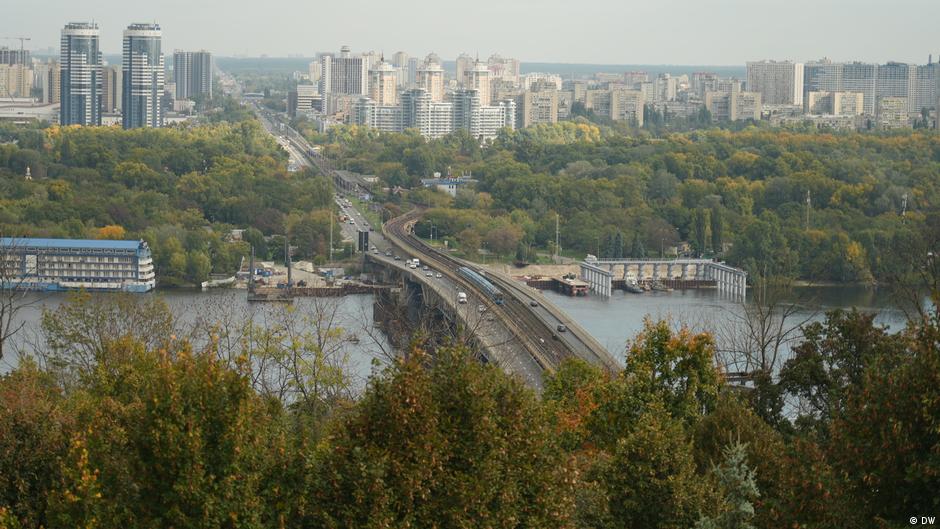
In Kyiv, air raid alerts were declared multiple times overnight amid fears of ballistic missile usage by Russia. The Kyiv city military administration confirmed one injury during the night, with emergency medical crews dispatched to affected districts. Meanwhile, in the Poltava region, debris from Russian drone strikes fell on a residential high-rise, although no casualties were reported.
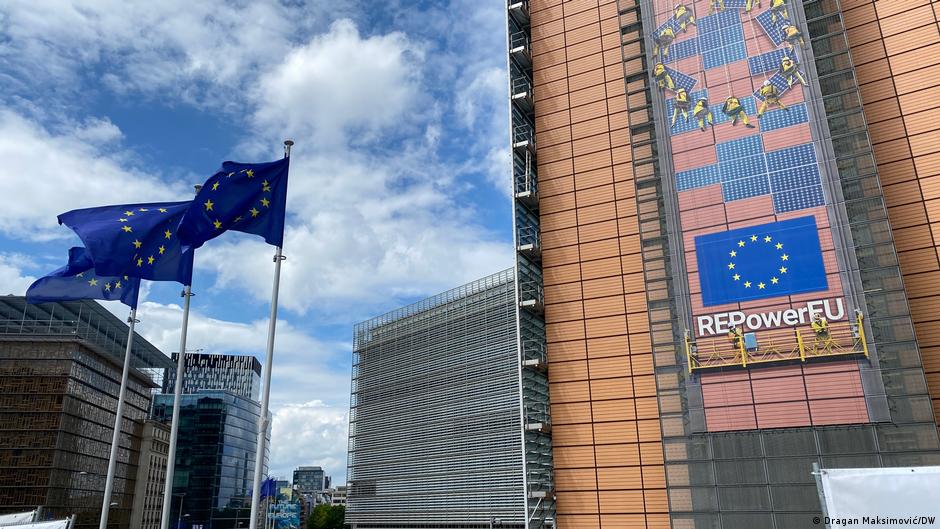
The recent intensification of Russian attacks, which included guided aerial bombs and unmanned aerial vehicles, signals escalating conflict dynamics that could influence the UK and European Union’s strategic and economic calculations. Both London and Brussels are likely to weigh additional sanctions and support measures as the situation evolves.
Given the potential for increased energy market disruptions and investor unease, the British pound's performance may reflect market risk sentiment tied to developments in Ukraine. The City of London, as a global financial center, remains vigilant to these geopolitical risks that could have broader ramifications for European business interests.