Russia’s Attacks on Black Sea Shipping Raise Alarms for UK and EU Trade Interests
Ukraine calls for urgent UN Security Council meeting amid Russian strikes on civilian vessels affecting global food markets and London trade routes.
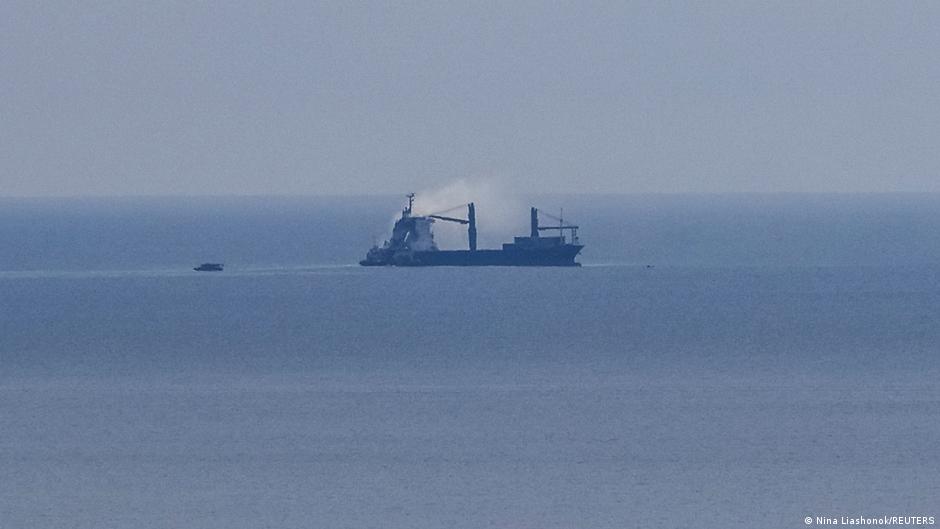
Recent Russian attacks on commercial ships in the Black Sea have escalated tensions that reverberate through European and British trade corridors. Ukraine's Foreign Minister, Andriy Sybiha, has condemned these strikes as "economic and humanitarian terror," urging the United Nations Security Council to convene an emergency session to address the mounting crisis.
Implications for UK and European Trade
The Black Sea serves as a critical artery for exports, including grain and other key commodities, from Eastern Europe to global markets. Disruptions in this maritime region threaten to exacerbate inflationary pressures in the UK and across the European Union, particularly impacting food prices in vulnerable regions.
"If this terror continues, millions of families in Africa, Asia, the Middle East, and Latin America could face rising prices and hunger," Sybiha warned, highlighting the broader humanitarian consequences that directly affect European economic stability.
London and European markets are especially attentive to securing navigation freedoms here, as the port of Chornomorsk—the largest Ukrainian Black Sea port within the Greater Odessa area—remains a vital hub for exports. Despite Russian aggression, Ukrainian authorities confirmed that Chornomorsk and surrounding ports continue to operate normally, sustaining the maritime corridor essential for fulfilling international contracts.
However, reports indicate that no ships passed through the Ukrainian maritime corridor on July 22, signaling potential supply chain disruptions. Russia alleges that Ukraine is transporting weapons disguised as civilian cargo through these routes, a claim Kyiv denies while emphasizing its commitment to maintaining open trade channels.
Diplomatic Responses and Security Cooperation
Amid these hostilities, Ukraine has intensified diplomatic efforts with European partners. On July 22, Sybiha held consultations with Germany’s Foreign Minister Johann Wadephul, agreeing to coordinate efforts to restore maritime security and ensure freedom of navigation. Strengthening Ukraine’s air defense and enhancing bilateral collaboration in defense industries were also key topics.
Similarly, talks with Estonia’s Foreign Minister Margus Tsahkna reinforced a united European front in addressing the security challenges posed by Russia’s actions in the Black Sea.
From a strategic perspective, Ukrainian drone forces claim to have targeted a significant number of vessels associated with Russia’s so-called "shadow fleet" in the Azov and Black Seas, aiming to disrupt Moscow’s naval influence and protect critical trade routes.
For the UK and the EU, maintaining stability in the Black Sea is not only a matter of regional security but also essential for safeguarding trade flows that underpin economic recovery in a post-pandemic landscape. London market watchers remain vigilant to further developments, as any sustained disruption could impact sterling and European currencies through increased commodity price volatility and supply chain uncertainty.