Russia’s July Oil and Gas Revenues May Surge 60% Year-on-Year Amid Rising Global Prices
Despite EU sanctions, Russia’s oil and gas income in July could rise significantly, impacting UK and European markets and sterling sentiment.
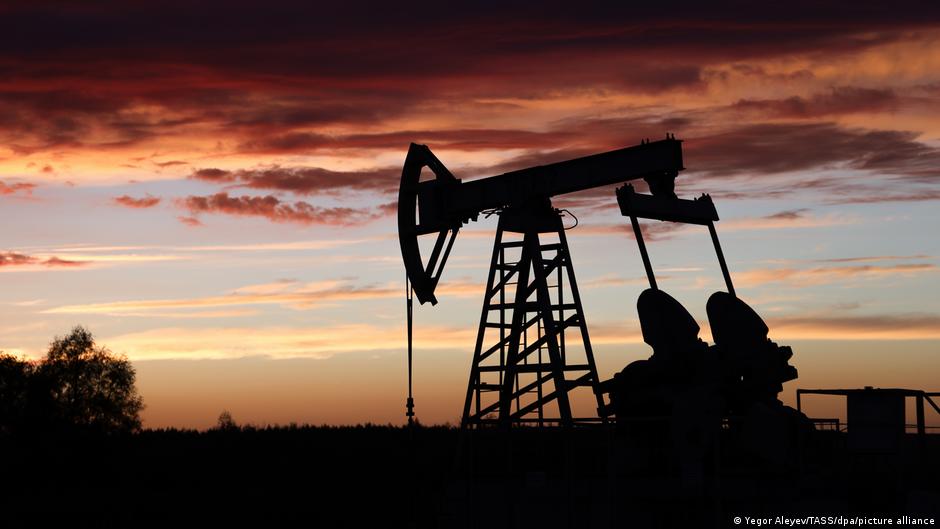
Russia’s revenues from oil and gas sales in July 2025 are projected to exceed last year's figures by up to 60%, driven primarily by elevated global oil prices, according to data analyzed by Reuters.
As the world’s third-largest oil producer and exporter after the US and Saudi Arabia, Russia’s energy sector remains a significant contributor to its federal budget—accounting for approximately one-fifth of total revenues. The recent surge in oil prices on international markets has bolstered Russia’s income from these resources, a trend reinforced by a notable increase in profit taxes on oil extraction reported in the second quarter of 2025.
Implications for UK and European Energy Markets and Sterling
While the spike in Russian energy revenues might initially seem counterintuitive given the EU’s recently enacted 21st sanctions package, which came into force on 23 July 2025 and aims to curtail Russian budget inflows from oil exports, these measures have yet to significantly curb Russia’s income in the short term.
“The current data suggests that despite sanctions, Russia’s oil and gas revenues for July may climb substantially, reflecting ongoing volatility and tightness in global energy markets.”
For the UK and broader European economy, this development carries complex ramifications. London’s financial markets, which play a critical role in global commodity trading, are closely monitoring the situation as fluctuations in Russian energy revenues influence market sentiment and sterling exchange rates. A sustained rise in oil prices tends to bolster the pound against commodity-linked currencies, yet increased geopolitical risks related to Russian revenues may inject volatility.
Furthermore, the revenue growth underscores Europe's continued dependence on Russian energy supplies, despite political efforts to diversify sources and reduce reliance. The EU’s sanctions target this dependence by attempting to limit funding that could sustain Russia’s military actions, but the timing and efficiency of these restrictions remain uncertain.
Financial data from the Russian Ministry of Finance, expected to be published on 5 August 2025, will provide further clarity on actual revenue figures. Meanwhile, year-to-date figures suggest that from January through July 2025, Russia’s oil and gas earnings are likely down by around 11% compared to 2024, amounting to approximately 4.9 trillion rubles. This indicates that the July surge may partially offset earlier declines but may not reverse the overall trend.
Last year, Russia’s federal budget revenues from oil and gas decreased by 24% to 8.48 trillion rubles, marking the lowest level since 2020. This context highlights the ongoing challenges faced by the Russian energy sector amid sanctions and geopolitical tensions.