Russia’s Shadow Air Fleet in Africa Raises Concerns for UK and EU Business Interests
A covert Russian aviation network bypasses Western sanctions to supply troops in Africa, prompting calls for targeted sanctions affecting London markets.
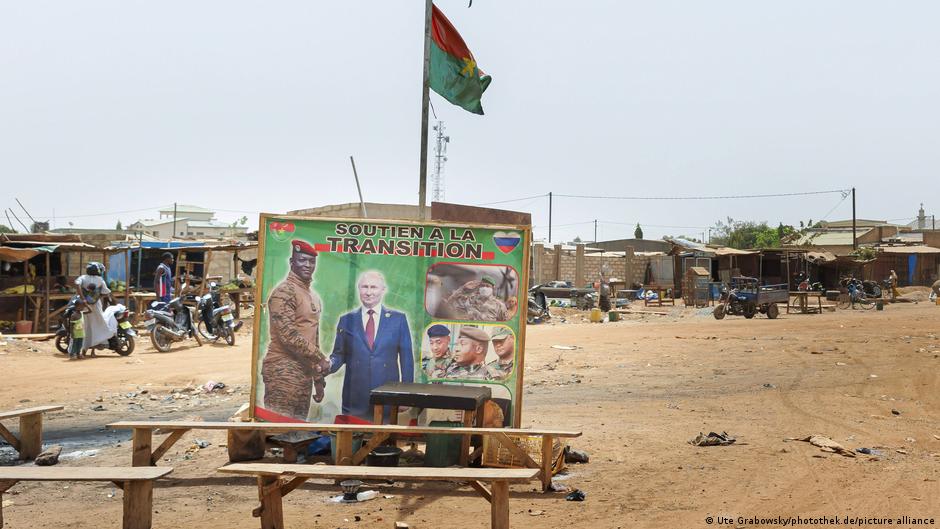
A recent investigative report has uncovered a "shadow air fleet" operated by Russia to sustain military logistics in the African Sahel region, circumventing Western sanctions. This covert network of military and private aircraft carries significant implications for British and European business sectors, particularly in London’s financial and aviation markets.
Russian Aviation Network Undermining Sanctions
According to data compiled by a U.S.-based defense research NGO, Russia has established an extensive air supply chain from January 2025 to July 2026, with at least 75 flights connecting Russia to Mali, Burkina Faso, and Niger. These operations utilize a combination of military-controlled aviation units and private airlines, creating a complex logistical system that evades current Western economic restrictions.
“If these aircraft and companies knowingly transport Russian military personnel or cargo supporting deployments in Africa, targeted sanctions must be imposed regardless of their registration,” said a European Parliament member.
The main operator identified is the 224th Flight Detachment, a state-owned aviation group controlled by the Russian Ministry of Defence, already subjected to U.S. sanctions. Complementing this are private companies such as Sapsan Airlines and Liz Aviation, along with Russia's Ministry of Emergency Situations aviation fleet. Notably, these private entities currently fall outside EU, UK, and U.S. sanction regimes, highlighting regulatory gaps.
The aircraft regularly transit through Russian-controlled bases in Syria and Libya, while private carriers often employ commercial hubs in Turkey, Algeria, and the United Arab Emirates. This routing strategy complicates tracking and enforcement efforts by Western authorities.
Impact on UK and European Markets
The revelation is particularly concerning for London’s financial and aviation sectors, which are deeply intertwined with global aviation logistics and regulatory compliance frameworks. The existence of a shadow fleet undermining sanctions could affect sterling’s stability by heightening geopolitical risks and exposing UK firms to inadvertent involvement in sanction breaches.
British and European regulators face mounting pressure to close these loopholes to protect market integrity and uphold international law. The European Parliament’s call for urgent assessment signals a potential tightening of sanctions that could reverberate through European and British aviation industries.
Financial institutions in London must prepare for increased due diligence obligations as international cooperation intensifies to monitor and restrict such covert operations. Failure to act decisively risks reputational damage and regulatory penalties for UK-based companies linked to these shadow networks.
Calls for Swift Policy Action
Tomáš Zdechovský, a Czech MEP from the European People’s Party, emphasized the importance of swift EU coordination on this issue. He advocates for comprehensive sanctions targeting all involved carriers, irrespective of aircraft registration, to disrupt Russia’s logistics chain supporting its military presence in Africa.
"The EU and UK must adapt their sanction policies to address these sophisticated evasion tactics," Zdechovský said. "Only through coordinated efforts can Western interests and market integrity be safeguarded against this growing challenge."
As the UK continues to navigate its post-Brexit trade and regulatory landscape, ensuring robust responses to such covert military logistics operations remains crucial to maintaining its leadership role in global sanction enforcement and protecting its financial markets.