Serbia to Hold Early Parliamentary Elections in October Amid Political Unrest
Serbian President Aleksandar Vučić announces snap elections scheduled for October 2023, raising implications for UK and EU economic ties.
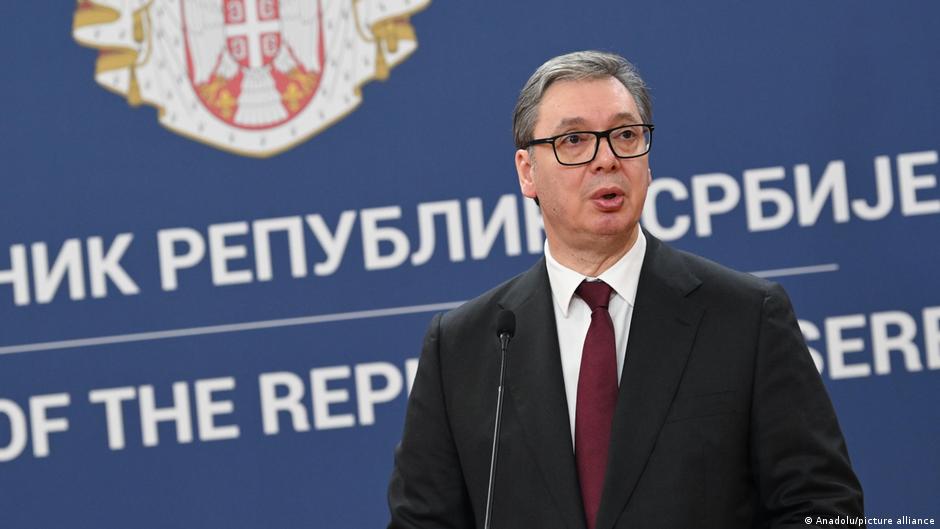
Serbia is set to conduct early parliamentary elections in October 2023, President Aleksandar Vučić announced during a televised address. This move comes over a year ahead of the originally scheduled 2026 elections, signaling a significant shift in the country's political landscape.
Implications for UK and European Interests
The announcement reverberates across the European continent, where stability in the Western Balkans remains a strategic priority for both the United Kingdom and the European Union. Serbia, a crucial partner in the region, plays an important role in trade, investment, and regional security. London-based investors and EU businesses closely monitor these developments, as political uncertainty can impact economic relations and market confidence.
President Vučić, who has been in power for 12 years, indicated that the exact date of the elections will be finalized shortly, with either October 18 or October 25 as potential dates. His decision to call early elections follows previous statements about possibly stepping down before his presidential term ends in mid-2027. Under Serbia's constitution, a president cannot serve more than two terms.
Political unrest has been mounting in Serbia, with over a year and a half of protests against government corruption and poor governance. The protests intensified after a fatal incident in Novi Sad, where a railway station canopy collapse resulted in 16 deaths. Student-led demonstrations have attracted tens and even hundreds of thousands, with demands that include anti-corruption measures and a call for early elections.
"Approximately 80% of Serbians support the anti-corruption demands, with around 64% backing the ongoing protests," according to recent public opinion polls.
For the UK and EU, Serbia’s political stability is tied to broader trade relations and regional cooperation frameworks. Sterling markets and European equities show sensitivity to political shifts in Serbia due to concerns about potential disruptions to trade routes and investment climates. Early elections may either stabilize the political environment if they address public discontent or exacerbate uncertainty if protests continue.
As Serbia prepares for these snap elections, British and European policymakers will be paying close attention to the outcomes, aiming to support democratic processes while safeguarding business and diplomatic interests in the region.