South Korea-Ukraine prisoner dispute adds risk to Europe’s defence calculus
Seoul has threatened further steps unless Kyiv publicly apologises over disclosure of North Korean prisoners transferred from Ukraine.
South Korea’s diplomatic dispute with Ukraine over two captured North Korean soldiers has introduced a fresh variable for European governments and investors already weighing the costs of a prolonged war, defence supply constraints and the strategic role of Asian partners in Ukraine’s security.
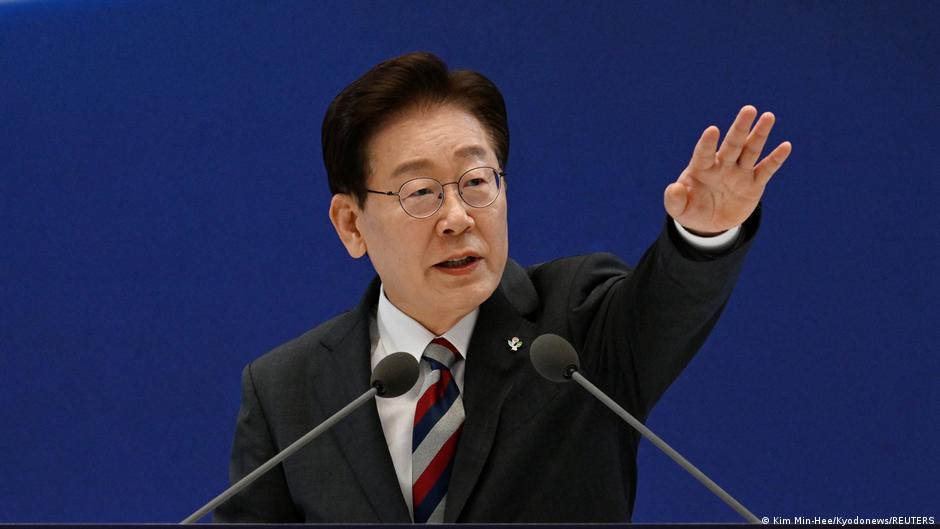
President Lee Jae Myung said Seoul would take “further measures” if Kyiv refuses to publicly acknowledge the existence of a confidentiality agreement concerning the transfer of two North Korean prisoners of war to South Korea and does not apologise. Lee did not specify what those measures would be, leaving European capitals and defence-sector observers to assess whether the dispute could affect wider cooperation with Seoul.
“If recognition of the facts and a public apology continue to be rejected, we will take further measures,” Lee wrote on X.
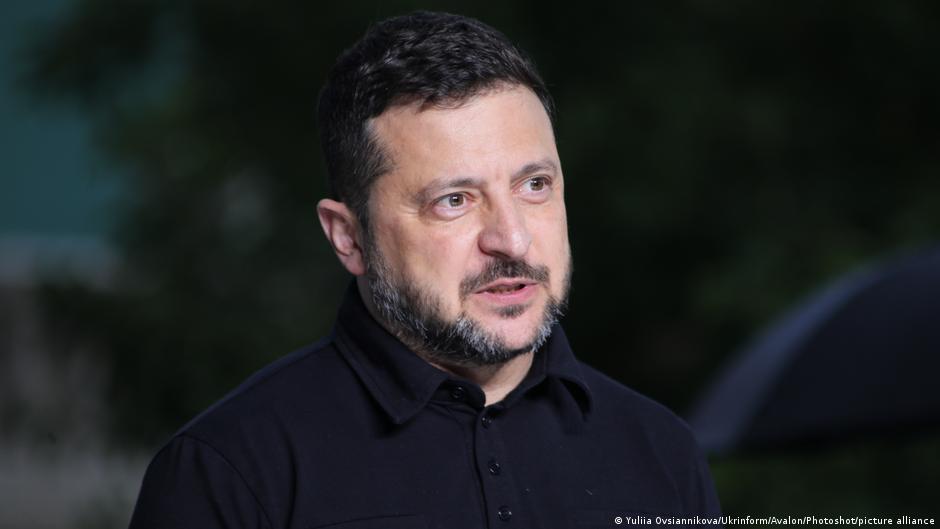
Lee said the matter concerned the honour of the Korean people and state and accused Kyiv of portraying Seoul as a liar. The statement, posted overnight on Friday, 2 October, escalated a dispute that began after Ukrainian President Volodymyr Zelensky told the UN General Assembly in late September that Kyiv had transferred two North Korean prisoners of war to South Korea.
For Britain and the European Union, the row matters because South Korea has been treated by Western allies as an increasingly important defence-industrial partner, even while Seoul has so far supplied Ukraine mainly with non-lethal military equipment, including demining systems. Reuters has noted that some Western countries have recently urged South Korea to provide lethal weapons to Ukraine.
European supply chains in focus
The immediate issue is diplomatic, but the commercial and strategic stakes reach into Europe’s defence planning. London and EU governments have sought to increase ammunition output, support Kyiv’s military resilience and coordinate with partners outside the transatlantic alliance. Any weakening of trust between Kyiv and Seoul could complicate those efforts at a time when Ukraine’s backers are trying to maintain predictable flows of equipment and political support.
The dispute also lands in a period when currency and market sentiment are sensitive to signs of escalation or fragmentation in the Ukraine support coalition. Sterling’s outlook is closely linked to UK growth expectations, defence spending assumptions and broader European risk appetite. While Lee’s statement did not itself contain market data or financial measures, the uncertainty around Seoul’s response adds another geopolitical factor for London investors to monitor.
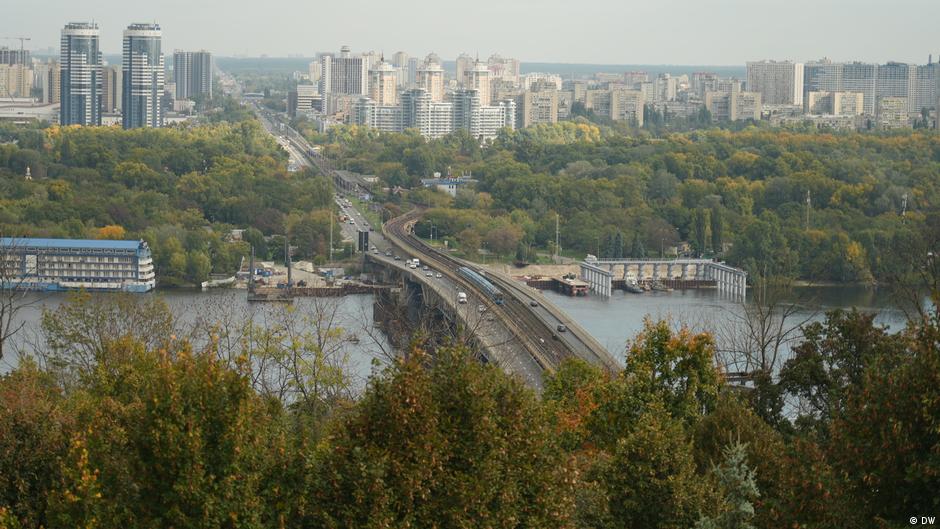
Ukrainian Foreign Minister Andrii Sybiha sought to lower the temperature before Lee’s post, telling journalists in Kyiv that Ukraine is interested in resolving the dispute quickly and continuing cooperation with South Korea. He avoided calling it an incident, describing it instead as a diplomatic misunderstanding.
Sybiha said he had been speaking personally every day in recent days with his South Korean counterpart. He said South Korea is an important country for Ukraine and expressed hope for momentum, continued engagement and concrete results from the relationship.
Seoul has argued that public disclosure of the prisoners’ transfer could endanger relatives of the captives in North Korea and damage relations between Seoul and Pyongyang. First Vice Foreign Minister Park Yoon-joo has said Kyiv’s denial of an agreement undermines mutual trust and demanded official explanations and an apology from Ukraine.
Kyiv has pushed back. Dmytro Lytvyn, an adviser to the Ukrainian president on communications, said there had been no agreement between Kyiv and Seoul that information about the prisoners’ fate could not be disclosed. South Korea’s presidential administration expressed deep regret over those remarks.
North Korea’s role raises the stakes
The prisoner dispute is tied to a broader concern for European security officials: the reported involvement of North Korean troops in Russia’s war against Ukraine. Zelensky wrote on social media last week that, according to his information, about 8,000 North Korean military personnel are currently in Russia and another 10,000 are preparing to be sent there, and from there to the war against Ukraine.
South Korean agency Yonhap reported on 28 September that the foreign ministry in Seoul summoned Ukraine’s ambassador over Kyiv’s disclosure about the North Korean prisoners. AFP reported on 30 September, citing South Korean parliamentarian Youn Kun-young, that both prisoners had arrived in South Korea in mid-September. After interrogation and a security service review, authorities in Seoul are expected to decide whether to provide them protection and begin a resettlement process.
The domestic politics in Seoul may further complicate the handling of the dispute. Shin Yul, a political science professor at Myongji University, told AFP that South Korea’s approach could prove problematic given the current administration’s cautious position toward its nuclear-armed northern neighbour.
For UK and European policymakers, the episode underscores how the war in Ukraine increasingly links separate security theatres: Europe, the Korean peninsula and the Indo-Pacific defence market. Britain has an interest in keeping Asian partners aligned with Ukraine, both for strategic reasons and because geopolitical shocks can filter quickly into energy prices, defence equities, sovereign-risk perceptions and sterling sentiment.
There is no indication from Lee’s statement of what Seoul’s “further measures” might involve. That ambiguity is likely to keep attention on follow-up diplomacy between Kyiv and Seoul. If Sybiha’s talks with South Korean officials succeed, the dispute may remain a contained diplomatic quarrel. If not, it could become another pressure point for Ukraine’s Western partners as they try to sustain military aid and widen international support.