Swiss voters reject neutrality curbs that would have limited Russia sanctions
The referendum result preserves Switzerland’s ability to align with EU sanctions, a point closely watched by UK and European businesses.
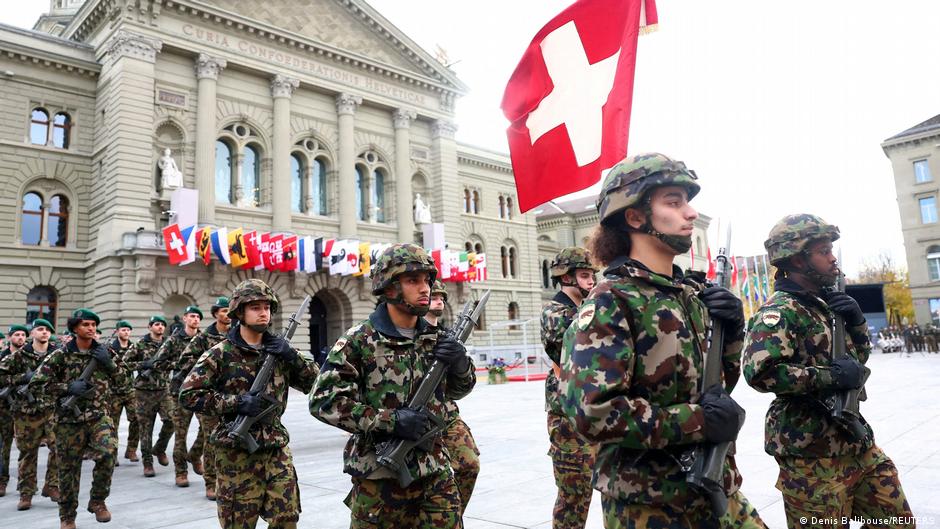
Swiss voters have rejected a proposal to impose a stricter constitutional definition of neutrality that would have sharply limited the country’s ability to join sanctions against states at war, including measures aligned with the European Union’s response to Russia’s war in Ukraine.
Official results published by the Swiss government on Sunday, September 27, showed that 70.15 percent of voters opposed the initiative. The result is significant for European policymakers and companies because Switzerland, though outside the EU, remains deeply integrated with the continent’s financial, commodity-trading and industrial networks. For UK firms with operations, banking relationships or supply chains linked to Switzerland, the vote preserves the current framework under which Bern can follow EU sanctions policy without waiting for approval from the United Nations Security Council.
The initiative, titled “Preserving Swiss Neutrality,” was promoted by Pro Schweiz, a group close to the right-conservative Swiss People’s Party. Its supporters argued that although neutrality is already embedded in Switzerland’s constitution, the government had weakened the principle of non-intervention by joining EU sanctions against Russia over the war in Ukraine.
The proposed amendments would have anchored a principle of “permanent and armed” neutrality in the constitution. They would also have sought to bar Switzerland from joining or cooperating with military alliances, such as NATO, except in the event that Switzerland itself came under attack. Most consequentially for European business, the initiative called for a sweeping restriction on sanctions: the Swiss government would have been able to impose economic sanctions only after they had been approved by the UN Security Council.
Business continuity for Europe and the City
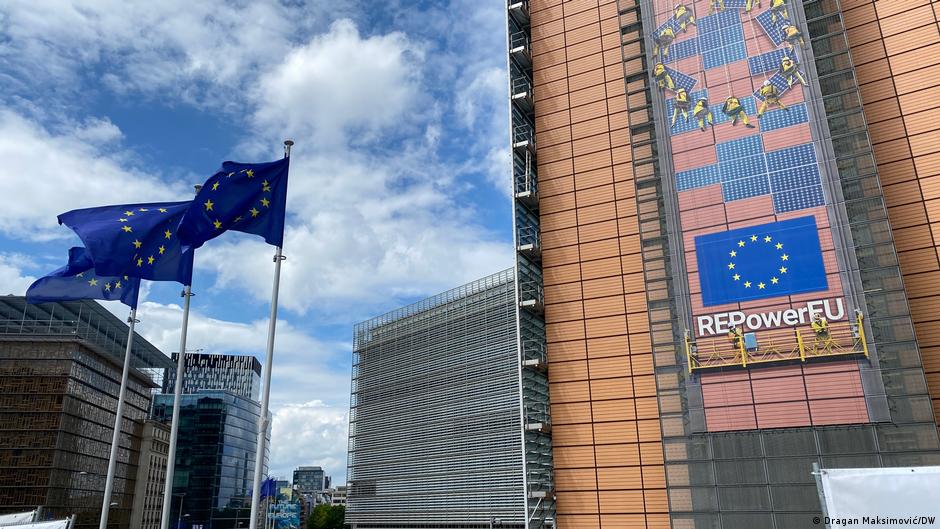
For London and EU markets, the vote avoids a fresh source of legal and compliance uncertainty. Switzerland is not a member of the European Union, but its banks, insurers, commodity traders, pharmaceutical groups and industrial exporters operate across European markets. A constitutional bar on sanctions not approved by the Security Council would have created a more difficult operating environment for multinational companies that must already reconcile UK, EU, US and Swiss rules.
Because Russia-related sanctions have become a core compliance issue for banks, law firms, shipping groups and commodity houses, any Swiss move away from EU-aligned restrictions would have raised questions about cross-border enforcement and risk management. The referendum result instead leaves Switzerland with the flexibility it has used to adopt sanctions in line with the EU while maintaining its long-standing claim to neutrality.
The outcome also matters for sterling-linked investors and UK-listed companies with Swiss exposure. The source article did not report currency or equity market moves, but the policy signal is clear: voters chose not to constrain Bern’s room for manoeuvre in a way that could have complicated dealings between London, Zurich, Geneva and EU financial centres. For businesses, the immediate implication is continuity rather than a sudden divergence in sanctions policy.
Swiss Foreign Minister Ignazio Cassis argued during televised debates that neutrality has always been applied with a degree of “flexibility.”
Cassis, Switzerland’s foreign minister, opposed the initiative and said neutrality should not be equated with indifference. According to his argument, Switzerland should not close its eyes to violations of international law in order to protect its own interests or preserve peace. That position was shared by all major Swiss political forces except the Swiss People’s Party.
The referendum result therefore represents more than a domestic constitutional choice. It keeps Switzerland aligned with the broader European sanctions architecture at a time when the UK and EU continue to use financial restrictions, trade controls and asset freezes as central instruments of policy toward Moscow. It also reassures companies that Switzerland’s relationship with European sanctions will not be placed behind the veto politics of the UN Security Council.
Food security proposal also defeated
Swiss voters also rejected a separate food security initiative by more than 70 percent. Supporters of that proposal had sought to increase the share of food produced domestically to at least 70 percent of consumption, expand production of plant-based foods, reduce the use of plant protection products and fertilisers, and strengthen protections for drinking water, soil fertility and biodiversity.
That second defeat underscores a broader reluctance among Swiss voters to back constitutional changes that would impose rigid targets on economic policy. For European businesses, particularly in agriculture, food retail and consumer goods, the rejection avoids another potential shift in Swiss regulation that could have affected production patterns, imports and supply-chain planning.
The central message from the neutrality vote, however, is geopolitical and commercial. Switzerland’s electorate declined to narrow the country’s foreign-policy options at a moment when sanctions policy remains one of the main tools used by European governments. For the UK and the EU, the result keeps a major non-EU financial and trading hub within reach of the sanctions consensus that has shaped Europe’s response to the war in Ukraine.