Trump Expects Iran Talks as Hormuz Dispute Keeps UK and EU Markets on Edge
Washington and Tehran appear set for renewed contacts after the US rejected Iran’s proposal to reopen the Strait of Hormuz within a week.
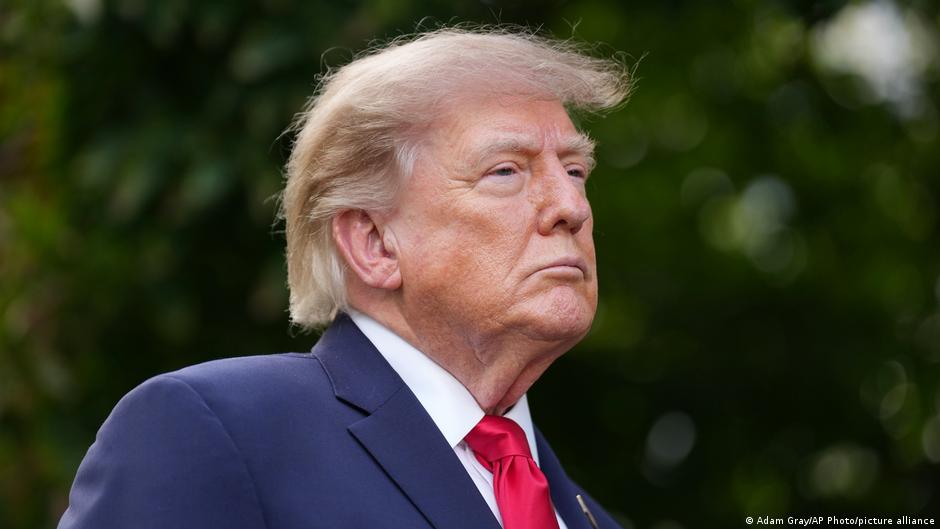
US President Donald Trump expects negotiations with Iran to resume in the coming days, keeping one of the world’s most important energy chokepoints at the centre of political and market attention in London and across Europe. The prospect of new talks follows Washington’s rejection of a seven-day plan proposed by Tehran to reopen the Strait of Hormuz.
Trump made the remarks on Sunday, September 27, in a telephone interview with the US news outlet Axios. His comments point to a fresh diplomatic phase in a confrontation that carries direct implications for British and European business, given the Strait of Hormuz’s role in global shipping and energy flows. For UK investors, the issue is not only geopolitical risk but also the potential effect on inflation expectations, sterling sentiment and the tone of trading in London-listed energy, shipping and industrial stocks.
“I expect new talks with Iran,” Trump said, adding that Tehran wanted a deal but not the kind of agreement he was prepared to accept.
According to the Russian-language source account, Trump said Iran wanted to reach an agreement, but that it was “not the deal” he wanted to make. He added that such terms might have been acceptable a year earlier, and said Tehran had overestimated its strength. Asked whether he was considering a resumption of strikes against Iran, the US president replied that he “always thinks about it.”
Hormuz Remains the Core Business Risk
The Strait of Hormuz is the immediate focus of the dispute. Tehran wants any negotiations to centre on the full reopening of the waterway and the lifting of the US maritime blockade. Washington, by contrast, is pressing for a broader arrangement that would include concessions on Iran’s nuclear programme.
That gap matters for UK and European companies because a narrow shipping deal and a wider strategic settlement would carry different consequences for risk pricing. A quick reopening of the strait could ease some pressure on energy and freight expectations, while a prolonged standoff would leave companies exposed to uncertainty over transport costs, supply routes and insurance conditions. The source article does not provide market figures, but the political sequence described is plainly relevant for London desks monitoring oil-linked shares, airlines, manufacturers and the pound.
Two regional sources cited by Axios, who asked not to be identified, also confirmed expectations of renewed contacts between Washington and Tehran. They said Qatari mediators, who had previously taken part in meetings involving representatives of the United States and Iran, were expected on September 28 to meet Iranian Foreign Minister Abbas Araghchi and US presidential special envoy Steven Witkoff.
Qatar’s expected role underlines the importance of regional mediation as both sides test whether the confrontation can be moved back toward negotiation. For European governments, including the UK, any diplomatic channel that reduces the risk of renewed military action would be closely watched, even if the current positions remain far apart.
Washington Wants a Wider Deal
A few days earlier, Araghchi said Tehran had offered Washington a plan to restore vessel traffic through the Strait of Hormuz within a week, provided certain conditions were met, and to resume talks on a long-term settlement of the conflict. Media reports cited in the source listed the conditions as including an end to fighting on all fronts, including Lebanon; the lifting of the blockade on Iranian ports; the unfreezing of Tehran’s assets; and the removal of restrictions on Iranian oil exports.
Trump rejected that proposal on September 26. He said Iran wanted a deal under which the strait would open immediately because it was suffering heavy losses. He also said he liked making deals, but that this proposed agreement would be unacceptable.
The disagreement is therefore not over whether talks should occur, but over what the talks are for. Tehran is seeking relief on maritime access and economic restrictions, while Washington is using the pressure around Hormuz to pursue larger security objectives, particularly on Iran’s nuclear programme. That distinction will shape how investors interpret any headlines from the next round of contacts.
For the UK and the European Union, the stakes extend beyond diplomacy. A negotiation focused only on shipping could calm short-term energy concerns without resolving the underlying confrontation. A broader agreement could reduce risk more durably, but it would also be harder to reach. Sterling-sensitive sectors would be exposed to any shift in global risk appetite, especially if oil and shipping concerns feed into inflation assumptions or expectations for central bank policy.
The Wall Street Journal had earlier reported, citing unnamed people, that Trump had rejected Iran’s proposal. According to that report, the US president also told aides he intended to resume bombing Iran after the congressional midterm elections in November. The Journal’s sources said Trump considered a new military operation “very likely” because he was sceptical that Tehran would comply with his demand for a complete abandonment of its nuclear programme.
That reported assessment adds a harder edge to the diplomacy now expected. Even as Qatar prepares to mediate, the possibility of renewed US strikes remains part of the political backdrop. For London markets, that leaves the coming week framed by two competing signals: the return of talks, and the continued threat of escalation if those talks fail to produce terms acceptable to Washington.
The immediate question for British and European businesses is whether the diplomatic process can produce a credible path to reopening Hormuz without triggering a wider military confrontation. Until the two sides narrow the divide between a maritime deal and a nuclear-linked settlement, companies and investors are likely to treat any signs of progress with caution.