Turkey Resumes Passage of Ships Through Straits Amid Black Sea Security Concerns
Turkish decision to reopen straits impacts trade flows to Russian Black Sea ports, with implications for London markets and sterling.
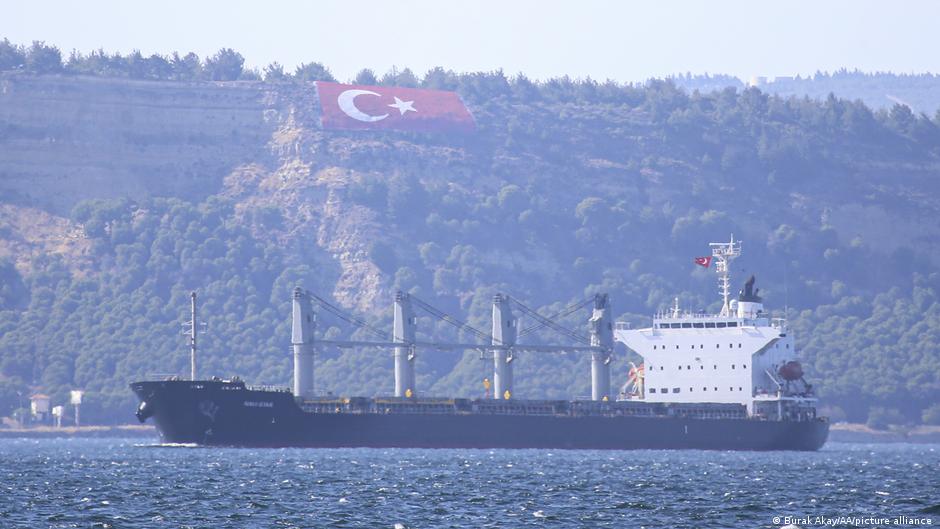
On August 9, Turkey resumed allowing vessels to transit through the Bosporus and Dardanelles straits, reopening crucial maritime routes to the Black Sea after a temporary halt prompted by escalating regional tensions.
According to monitoring data, the oil tanker Aegean Dream and the container ship Mehmet Kahveci A both passed through the Dardanelles en route to Novorossiysk, a key Russian Black Sea port. The Aegean Dream had been waiting near the straits since August 6 due to previous restrictions.
Impact on UK and European Trade and Financial Markets
Turkey’s temporary suspension of transit permits stirred concerns among international traders and investors, particularly in the UK and EU, given the strategic importance of Black Sea routes for energy and agricultural exports. The disruption had contributed to uncertainty in commodity markets, with potential knock-on effects on sterling and London-based trading firms engaged in Black Sea logistics and financing.
By reopening the straits, Turkey has allowed for a partial resumption of maritime traffic, which could help ease some of the supply chain pressures impacting European energy imports and grain shipments. However, commercial sentiment remains cautious due to the ongoing military tensions between Russia and Ukraine, which have led to repeated attacks on shipping in the region.
“The resumption of passage through Turkey’s straits is a critical step for stabilising trade flows to and from the Black Sea, but market reactions will depend on the broader security developments,” said an analyst familiar with European maritime logistics.
The temporary restrictions followed increased drone attacks and missile strikes in the Black Sea targeting commercial vessels, including those operated by Turkish companies. Turkey has called on both Russia and Ukraine to declare a moratorium on attacks in the region to safeguard maritime traffic, highlighting regional security as a key priority.
On August 8, a US official reported that Ukraine had agreed to assist in ensuring safe passage for certain non-Russian oil tankers through the Black Sea, a move that may further influence trade dynamics and investor confidence in European markets.
London markets, which are closely linked to global commodity trade and shipping finance, are monitoring these developments amid concerns over the impact on supply chains and sterling exchange rates. Any prolonged disruption or escalation could exacerbate volatility in energy prices and grain markets, with wider economic implications for both the UK and EU.
Turkey’s strategic position as the gateway between the Mediterranean and the Black Sea underscores its role as a key player balancing geopolitical pressures and economic interests of European partners, including the UK. The government in Ankara has yet to publicly clarify the criteria for transit approvals or the timeline for further easing restrictions, keeping market participants attentive to potential shifts.
Meanwhile, since early July, Ukrainian drone forces have reportedly targeted dozens of Russian tankers operating in the Black Sea, intensifying the maritime conflict environment. Russian strikes on Ukrainian ports and vessels have also severely disrupted Ukraine’s agricultural exports, increasing reliance on alternate routes that are less efficient and more costly.
In this context, the reopening of the Turkish straits represents a tentative relief to a tense situation, yet the broader stability of Black Sea maritime corridors remains uncertain, with direct consequences for European energy security, trade flows, and financial markets in London.