UAE Conducted Covert Strikes Against Iran Amid Gulf Conflict, Impacting Regional Stability
The UAE secretly targeted Iranian facilities, escalating Gulf tensions with implications for London markets and sterling.
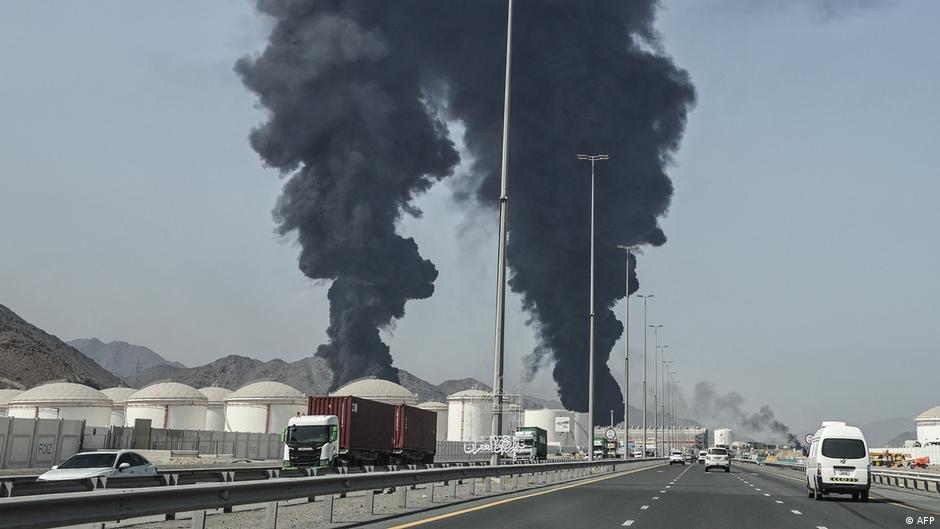
The United Arab Emirates (UAE) has reportedly carried out covert military strikes against Iran, marking a significant escalation in the ongoing Gulf region conflict. While Abu Dhabi has not officially acknowledged these attacks, intelligence sources reveal that one notable strike targeted an Iranian oil refinery on Lavan Island in early April.
Implications for UK and European Business Interests
The increasing hostilities between the UAE and Iran carry important implications for British and European economic interests, particularly given the Gulf's pivotal role in global energy supplies and financial markets. The attacks on Iranian infrastructure and the subsequent Iranian missile and drone responses against UAE and Kuwaiti territories have heightened regional tensions, which London-based investors and the sterling currency are closely monitoring.
London's financial markets, with significant exposure to energy commodities and Gulf-linked investments, have reacted cautiously to the developments. The UAE's strategic posture as a key regional hub for trade, aviation, and tourism faces mounting challenges following over 2,800 drone and missile attacks attributed to Iran since the conflict's outbreak. These assaults have disrupted the UAE's aviation sector, depressed tourism, and affected real estate markets, resulting in layoffs and furloughs within Emirati companies.
"The UAE is shifting its strategic calculus, viewing Iran as a pariah threatening its economic and social model built on foreign expertise and stability," regional officials observe.
The UAE's military capabilities underpin its assertiveness, boasting a modern air force equipped with French Mirage fighters and advanced American F-16 jets, alongside highly trained pilots. Washington has tacitly welcomed the involvement of Gulf states like the UAE in the conflict, perceiving their participation as aligning with US regional objectives, despite public calls for ceasefire.
For the UK and EU, the conflict underscores the fragility of Gulf security and the potential volatility in energy markets. Given the UK's substantial trading and investment ties with Gulf Cooperation Council (GCC) states, any erosion of stability could influence sterling's strength and investor confidence. Moreover, the ongoing hostilities raise risks to maritime transport routes vital for European energy imports.
As the UAE balances its military responses with diplomatic discretion, London-based businesses and policymakers continue to watch for shifts that might impact the flow of capital and commodities. The unfolding situation presents both challenges and opportunities within the broader context of UK-Gulf relations and European energy security strategies.