UK and EU Browsers Block Major Russian Bank Websites Over Security Certificate Revocation
British and European browsers flag several Russian bank sites as insecure after international TLS/SSL certificates are withdrawn amid sanctions.
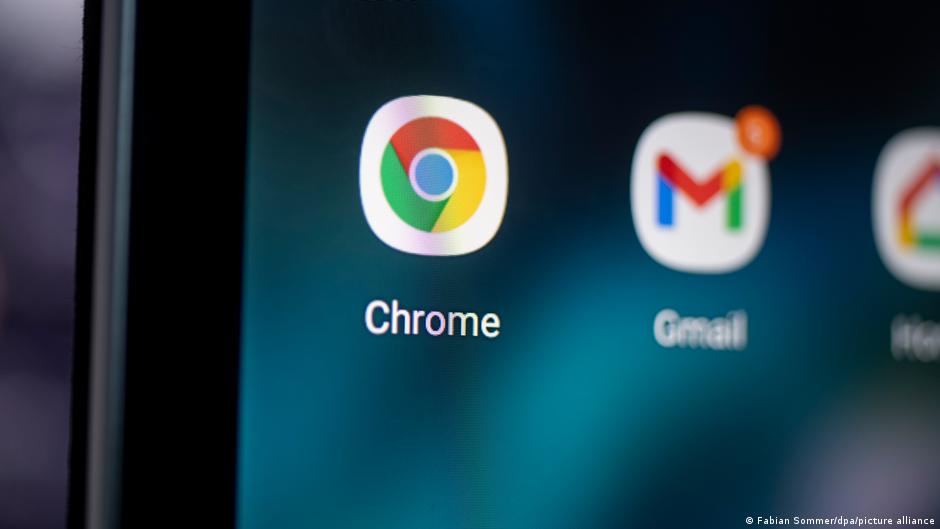
Several leading Russian bank websites have become inaccessible or flagged as unsafe in popular browsers operated outside Russia, including Google Chrome, Safari, Firefox, and Microsoft Edge. This development follows the revocation of international TLS/SSL security certificates used by these banks, raising concerns among users in the UK and EU and highlighting the broader impact of geopolitical sanctions on digital infrastructure.
Impact on Russian Bank Websites and Browser Security
Websites for major Russian banks such as Sberbank, VTB, Alfa-Bank, Rosselkhozbank, Promsvyazbank, Uralsib, and Bank Saint Petersburg are among those affected. When attempting to access these sites from browsers based in the UK and Europe, users encounter warnings that the connection is "not secure," requiring them to manually override browser safety features to proceed.
"The withdrawal of TLS/SSL certificates from Russian bank domains by foreign certificate authorities means these sites no longer validate as trustworthy in international browsers," security experts note.
This contrasts with websites like T-Bank, which continue to operate normally in these browsers due to retained certificates. Interestingly, Yandex Browser, the dominant browser within Russia developed locally, still allows seamless access to these sites because it supports Russian domestic certificates that are not recognized internationally.
Geopolitical Context and Implications for UK and EU Interests
The revocation of certificates is tied directly to the sanctions measures imposed by the UK, EU, and allied states following Russia's invasion of Ukraine. Since the introduction of the EU's 21st sanctions package in late July 2026, many Russian banks have been targeted, including restrictions that impact their ability to maintain international digital trust mechanisms.
From a UK and European business perspective, this situation underscores the growing digital divide emerging from sanctions regimes, affecting everything from online banking access to the broader operation of Russian financial institutions within international networks. UK-based financial services and firms with exposure to Russian markets must navigate increased operational risks as these technical barriers grow.
Moreover, the sterling market and London’s status as a global financial hub could be indirectly influenced by these developments, as clients and partners reassess exposure to Russian banking entities that face connectivity and security challenges. The limitations on secure digital communications impede transparency and could complicate compliance and risk assessment processes in cross-border transactions.
Technical and Privacy Considerations
The transition by Russian banks to domestic TLS/SSL certificates creates a security ecosystem isolated from global standards. While this enables continued operation within Russia, it restricts international usability and trust. This separation has led to increased promotion of Yandex Browser within Russia, including embedding direct links into prominent Russian social networks like VK.
However, experts have expressed concerns about Yandex Browser’s privacy policies, which allow extensive data collection on user activity, including personal data, geolocation, preferences, and communications metadata. Such data may be shared with third parties to comply with legal obligations, raising privacy and cybersecurity concerns for users within and outside Russia.
In summary, the revocation of international security certificates from Russian bank websites is a tangible manifestation of the growing geopolitical tensions and sanctions impacting the digital financial landscape. UK and European stakeholders must monitor these developments closely, given their implications for cybersecurity, market operations, and regulatory compliance.