UK and EU Monitor Russian-Ukrainian Troop Rotations Amid May Ceasefire Pause
Both Russia and Ukraine conduct troop rotations during temporary May ceasefire, affecting London markets and sterling dynamics.
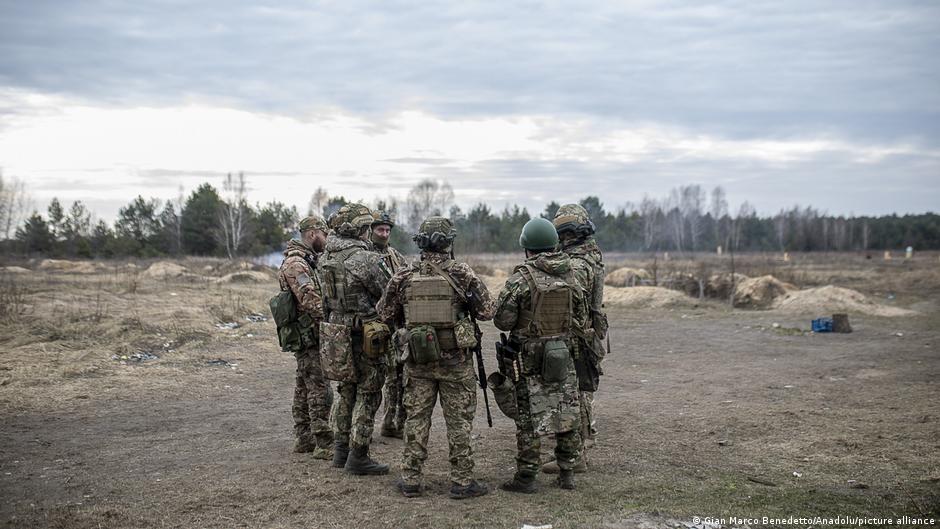
On May 9, a temporary ceasefire declared between Russia and Ukraine has led both sides to utilize the pause in active combat for strategic troop rotations and logistical preparations, according to Ukrainian military officials. This development comes amid heightened attention from UK and European businesses monitoring the conflict's impact on regional stability and financial markets.
Ceasefire Utilized for Military Maneuvers Despite Official Pause
Ukrainian Armed Forces spokesperson Viktor Trehubov explained that while Russian forces have significantly reduced active engagements during the three-day ceasefire (May 9–11), they are capitalizing on this lull to strengthen their offensive capabilities through troop rotation and reinforcement.
"They have indeed quieted down today, taking a pause to rotate units, deliver reinforcements, and renew their offensive potential," Trehubov stated during a Ukrainian telethon broadcast.
Similarly, Ukraine is also leveraging this ceasefire window to reorganize and improve its own troop logistics and rotations, underscoring a tactical approach despite the declared truce.
Diplomatic Moves and Market Repercussions
The ceasefire was first proposed by then-U.S. President Donald Trump on the evening of May 8, aiming to halt hostilities and facilitate a prisoner exchange involving 1,000 prisoners from each side. However, Russian President Vladimir Putin publicly questioned the feasibility of this exchange, accusing Kyiv of being unprepared based on a proposed list of 500 Ukrainian servicemen Moscow intended to exchange.
On May 9, Kremlin aide Yuri Ushakov indicated that prisoner lists were still being compiled and that a physical exchange would only commence after agreement, implying that military conflict could resume after May 11.
Despite the ceasefire, sporadic attacks have persisted. The Russian Ministry of Defense accused Ukrainian forces of launching drone attacks and attempted assaults on Russian positions in occupied areas, while Ukrainian General Staff reported 121 Russian attacks within a 22-hour period on May 9 alone, including shelling in border districts of Sumy region.
Implications for UK and European Markets
The temporary ceasefire and ongoing tactical shifts have been closely observed by London-based financial institutions and European businesses. The pause in hostilities offers a brief window of reduced volatility, though uncertainties around a full ceasefire or prisoner exchange continue to weigh on sterling and European market sentiment.
Investors and businesses are assessing risks related to energy supply stability—given Europe's reliance on Russian gas—and geopolitical uncertainties affecting trade and investment flows. The situation underscores the delicate balance between diplomatic efforts and military realities influencing UK and EU economic interests.
In summary, while the May ceasefire provides a short respite, both Russia and Ukraine are using the period for strategic repositioning, with ongoing localized clashes reminding markets of the fragility underpinning the truce.