UK and European Leaders Welcome US-Iran Deal, Emphasize Nuclear Non-Proliferation and Market Stability
British and European leaders endorse US-Iran agreement as a step toward regional peace, stressing no nuclear arms for Iran and highlighting implications for UK and EU markets.
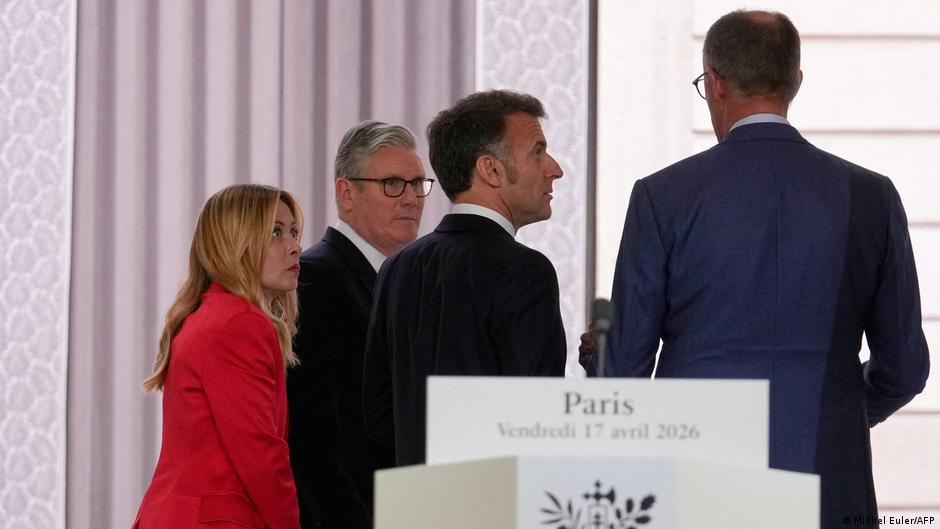
Leaders from the United Kingdom, France, Germany, and Italy have welcomed the planned signing of a peace agreement between the United States and Iran, scheduled for June 19. The agreement is viewed as a significant step toward ending conflict in the Middle East and restoring regional stability, with potential positive effects on global economic stability, including energy markets heavily influenced by the Strait of Hormuz.
Implications for UK and European Interests and Markets
The joint statement released on June 15 by the heads of state and government from these four European countries underscores a cautious optimism about the diplomatic breakthrough. They emphasize the importance of swift and comprehensive implementation of the agreement, particularly regarding the immediate resumption of navigation through the Strait of Hormuz — a critical maritime corridor for global oil supplies.
The strait’s reopening without restrictions is particularly significant for the UK and European Union economies, which rely heavily on stable energy imports. British Prime Minister Keir Starmer highlighted the necessity of freedom of navigation "without any tolls," recognizing the economic shocks that recent tensions between the US, Israel, and Iran have caused worldwide.
This reassurance is crucial for London's financial markets, which are sensitive to fluctuations in energy prices and geopolitical risks. Stabilization of the supply routes could reduce volatility in the sterling exchange rate and improve investor confidence, benefiting the broader UK economy.
"Iran must never acquire nuclear weapons. We are prepared to work with the US, Iran, and the IAEA toward this objective," Starmer stated, reinforcing the UK's firm stance against nuclear proliferation.
French President Emmanuel Macron expressed similar concerns, focusing on Iran’s nuclear and ballistic missile programs. The joint European declaration made clear that lifting sanctions will be conditional on verifiable Iranian compliance with nuclear restrictions, an approach that aligns with UK and EU priorities on non-proliferation and regional security.
Moreover, the leaders expressed readiness to support demining efforts in the Strait of Hormuz, which would further facilitate safe maritime trade. These coordinated efforts highlight a united front among European nations and the UK in managing geopolitical risks and protecting critical trade infrastructure.
Overall, the agreement presents an opportunity to ease long-standing tensions that have disrupted markets and strained diplomatic relations. For the UK and EU, the deal is not only a diplomatic milestone but a potential catalyst for stabilizing energy prices and safeguarding economic interests tied to Middle Eastern supply chains.