Ukraine Denies Trump Urged Zelensky to Hold Putin Talks in Moscow
Kyiv rejected a Bloomberg report as Washington presses for energy-site restraint, a priority watched closely by UK and EU markets.
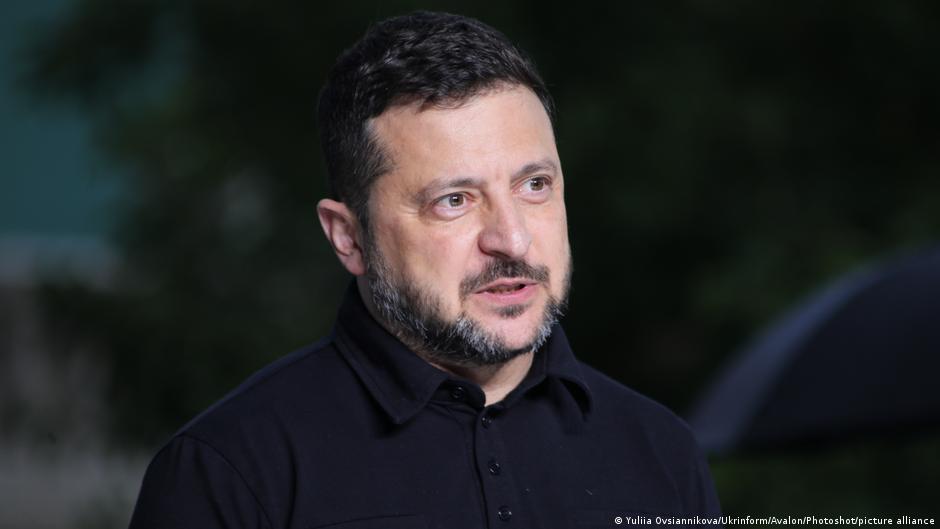
Ukraine's presidential office has denied a report that Donald Trump proposed Volodymyr Zelensky travel to Moscow for talks with Vladimir Putin, a claim first reported by Bloomberg and then rejected by Kyiv.
The denial came as European governments and markets remain focused on any sign that diplomacy could reduce pressure on energy infrastructure and fuel prices. For Britain and the European Union, the issue is not only geopolitical. Attacks on energy facilities, diesel costs and expectations around the war continue to feed into inflation assumptions, sterling sensitivity and investor sentiment in London.
According to Ukrainian Pravda, writing on Friday, 25 September, Dmytro Lytvyn, an adviser to the Ukrainian president on communications, dismissed Bloomberg's account. The publication quoted him as saying:
“This is false information.”
Bloomberg had earlier reported, citing sources, that the US president made the proposal during a meeting with Zelensky on the sidelines of the United Nations General Assembly in New York. According to that report, Zelensky refused. Sources close to the Ukrainian leader also told Bloomberg that Zelensky was upset by the proposal.
Energy Talks Matter for London and Europe
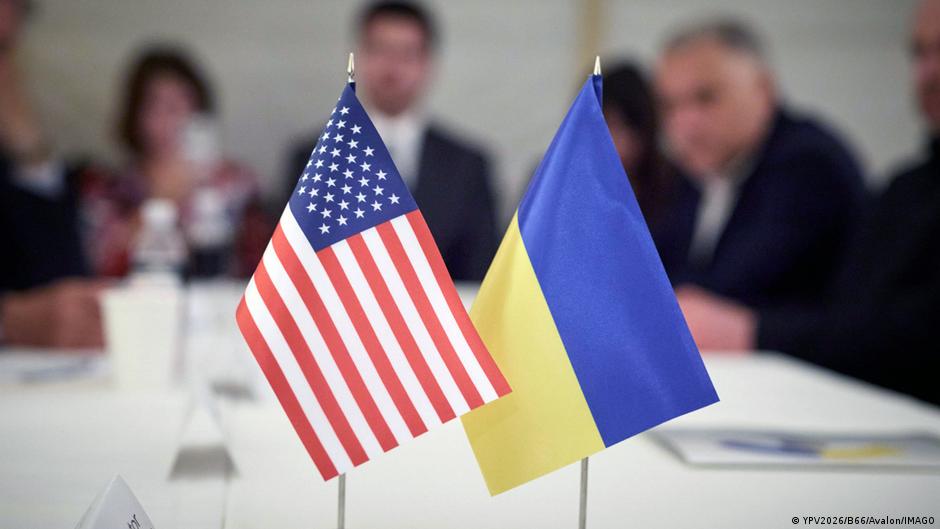
The diplomatic dispute over where any meeting might take place is unfolding alongside a more immediate concern for Western capitals: energy security. This week in New York, Zelensky and Russian Foreign Minister Sergei Lavrov held separate meetings with representatives of the Trump administration.
Bloomberg reported that Washington was pressing Moscow and Kyiv to agree to stop attacks on energy facilities against a backdrop of rising global diesel prices. That detail is particularly relevant for the UK and the EU, where fuel costs remain a politically sensitive input for consumers, hauliers, manufacturers and central banks.
For the City of London, the practical significance of any diplomatic channel lies in whether it can lower risk around energy supply and inflation. Sterling is often exposed when global fuel prices complicate the Bank of England's inflation outlook, while London-listed energy, defence and transport-linked shares can move on expectations about the duration and intensity of the war. The source account did not provide specific market moves, but the subject matter is one that investors in London routinely monitor.
Zelensky said on 25 September that trilateral talks between the United States, Ukraine and Russia in a technical format could take place in the United Arab Emirates. That suggestion points to an alternative venue after Moscow continued to insist that any direct meeting between Putin and Zelensky should happen in the Russian capital.
The Kremlin has rejected a recent proposal from Kyiv to hold talks on ending the war during the G20 summit in Miami, where Washington had invited Putin. Russia has repeatedly stressed that a Putin-Zelensky meeting would be possible only in Moscow.
On 23 September, Kremlin spokesman Dmitry Peskov said the Ukrainian president, “if he wants, can come to Moscow,” where he would be provided with the necessary security guarantees. Kyiv's denial of the Bloomberg report therefore also pushes back against a venue that Russia has publicly promoted as the only acceptable place for such a meeting.
Diplomacy Remains Stuck on Venue and Terms
The dispute underscores how even tentative talk of negotiations remains constrained by basic questions of format, location and political acceptability. A meeting in Moscow would carry obvious symbolic weight, particularly for Ukraine, while alternative venues such as the United Arab Emirates would suggest a more neutral technical process backed by US involvement.
For European businesses, the distinction matters because a credible pathway to limiting attacks on energy infrastructure could affect expectations for diesel prices and broader supply costs. The EU remains deeply exposed to the economic consequences of the war, while the UK, outside the bloc but closely tied to European energy and financial markets, faces similar pressures through trade, fuel costs and investor confidence.
The Russian side has also referred to earlier contacts. In June, Putin said Zelensky had asked him for a personal meeting through a Russian businessman. Later, the Ukrainian president said he had passed a message to the Kremlin leader through Roman Abramovich.
The latest denial from Kyiv does not resolve the wider diplomatic picture. It does, however, clarify Ukraine's public position on the reported Moscow proposal: the presidential office says the account is not true. At the same time, the broader negotiations described in the source material remain focused on whether the United States can bring Ukraine and Russia into a format that addresses attacks on energy facilities and, potentially, the future course of the war.
For London and European capitals, that leaves investors and policymakers watching two tracks at once: the political question of whether any US-backed talks can gain traction, and the economic question of whether restraint around energy infrastructure can ease pressure on diesel prices, inflation expectations and currencies including sterling.