Ukraine Imposes Sanctions on Vessels and Firms for Illegal Grain Export from Occupied Territories
Kyiv targets 13 ships and 28 companies to prevent illicit grain exports, signaling potential impacts on UK and EU trade relations and London markets.
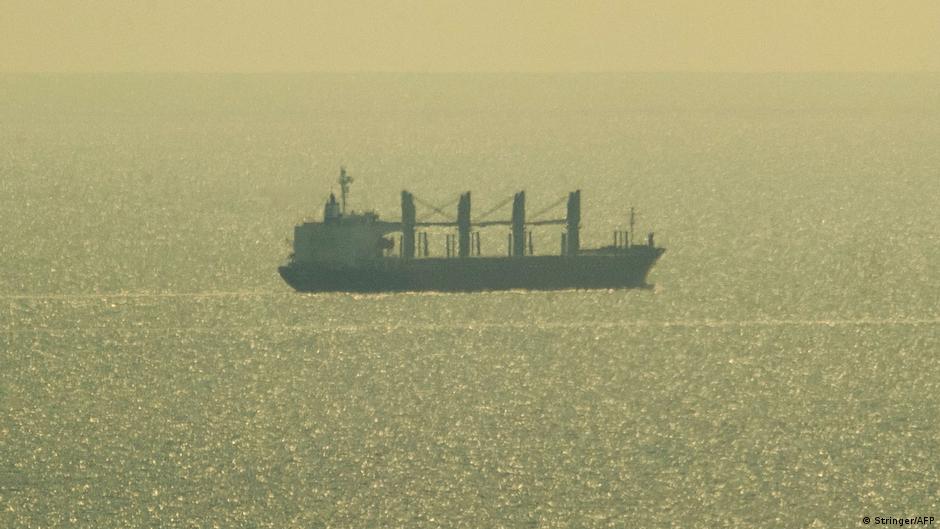
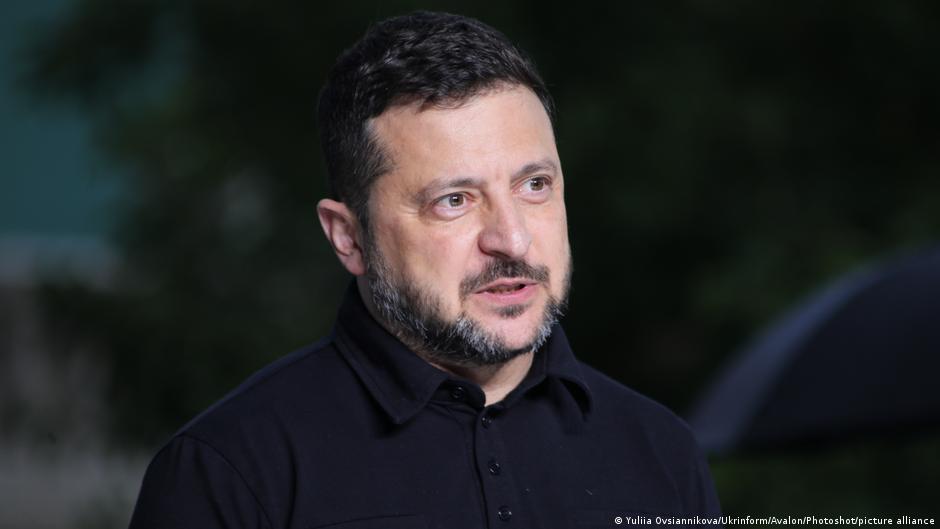
In a decisive move to curb the illegal export of Ukrainian grain from territories occupied by Russia, President Volodymyr Zelensky has enacted sanctions against 13 vessels and 28 companies involved in these activities. This development not only underscores Ukraine's efforts to protect its agricultural assets but also carries implications for British and European markets engaged in grain trade and shipping logistics.
Sanctions Targeting Shipping and Trade Networks
The sanctions, signed into effect on Friday, August 14, are based on a resolution by Ukraine's National Security and Defense Council. They specifically address entities involved in the unauthorized transportation of Ukrainian grain, a crucial commodity for both regional and global food supply chains.
The affected vessels fly the flags of Russia (8 ships), Panama (3 ships), Belize (1 ship), and Saint Kitts and Nevis (1 ship), indicating the international scope of the illicit trade networks. Alongside the ships, the sanctions also cover 11 Russian individuals and 28 legal entities connected to these operations.
"Illegal export of Ukrainian grain from temporarily occupied territories must have consequences for all involved—from companies and owners to captains and vessels," stated Vladyslav Vlasuk, Ukraine's presidential envoy on sanctions policy.
The Ukrainian government has announced its intention to share comprehensive information with allied nations to coordinate synchronized international sanctions. This collaborative approach aims to strengthen enforcement measures and disrupt the grain smuggling routes that undermine Ukraine's legitimate exports.
Implications for UK and European Business and Markets
Ukraine is a significant supplier of grain to the European Union and the United Kingdom, with London serving as a major international hub for commodity trading and maritime insurance. The sanctions may influence sterling-based trade operations, given that UK firms involved in grain trading, shipping finance, and insurance could face increased scrutiny to avoid involvement with sanctioned entities.
Moreover, these sanctions highlight the geopolitical risks affecting supply chains in the Black Sea region, which is vital for the export of agricultural products. London markets, including the London Metal Exchange and commodity brokers, will be closely monitoring these developments as they could affect shipping routes, insurance premiums, and the availability of Ukrainian grain on European markets.
Earlier, in November 2023, Ukraine imposed sanctions on 56 vessels caught illegally accessing Russian-occupied ports and exporting wheat, sunflower seeds, and other food products. The continuation and expansion of such measures reflect ongoing tensions and the complexity of managing trade flows amidst conflict.
For UK and EU stakeholders, maintaining compliance with these sanctions will be essential to avoid legal risks and ensure the stability of grain supplies. The enforcement of such measures underscores the need for vigilant due diligence within the maritime and commodity trading sectors.
As Ukraine intensifies sanctions against actors undermining its agricultural exports, British and European companies must adapt to the evolving regulatory landscape while supporting efforts to uphold international trade norms and food security.